
 NZ180/5 (20 ov)
 IND
 NAM95/2 (21.1/50 ov)
 IRE
 MOZ
 UGA
 AVL
 MNC
 RAY
 ELC
 GMB
 ZMB
 NGA
 LES
 CAG
 BOL
 COMO
 SAS
 FCA
 FCU
 Ipswich1
 Nottm Forest1
 Alavés1
 Málaga1
 Torino3
 Monza2
 Brest1
 Nice2
 WA
 NSW290/5 (42.4/50 ov)
 DEN
 KUW
 KENYA
 QAT
 SWD-W
 EPR-W
 TTN-W
 WPR-W
 NZ-A135/3 (41 ov)
 IND-A113
 DHA
 RAJ
 MYMS
 CHATT
 RAN
 BAR
 SYL
 KHU
 MEX-W
 ARG-W
 UAE
 NED
 PAK
 ENG
 IND-W
 ZIM-W
 AFG170/3 (34.3/50 ov, target 170)
 ZIM169
 TAS137 (25.2/35 ov, target 276)
 VIC304/7 (50 ov)
 CHE0
 DYI0
 CHO1
 QIN0
 HEN1
 BEI0
 LIA1
 ZHE0
 QWC1
 YUN0
 SHX0
 Shanghai Shenh0
 TIG0
 SHP0
 WTT1
 SHT3
 KOE
 S04
 M05
 SVW
 RBL
 ELV
 Stuttgart2
 Gladbach3
 Al Ahli4
 Al Khaleej1
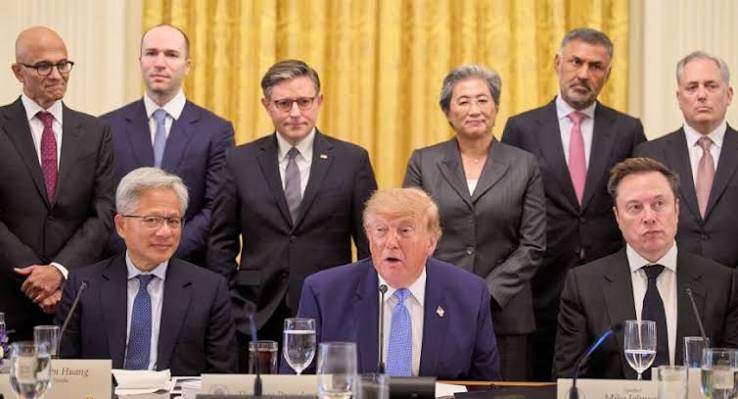
On October 1, 2026, Donald Trump laid out a new policy framework for artificial intelligence risks. It puts the main responsibility on voluntary commitments from big tech leaders. That’s a sharp break from the regulatory approach that shaped the early years of generative AI.
The administration wants industry executives and federal policymakers working together directly, rather than the strict federal mandates that defined the previous presidency. Lean on the private sector, the thinking goes, and Washington can set a baseline for AI safety protocols without rigid legislative barriers that could slow innovation down.
The Policy Framework And Early Commitments
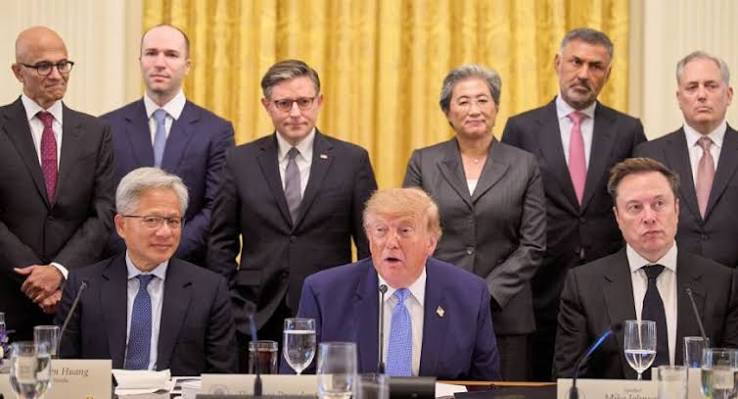
At the heart of the new strategy is trust built through transparency, not enforcement. Under the proposed guidelines, major cloud computing providers have reportedly started sharing safety testing data straight with the federal government.
Several major cloud providers—Microsoft, Amazon, and Google—reportedly agreed to join these voluntary data-sharing initiatives, which help regulators understand what frontier models can actually do. Compare that to the binding requirements introduced during the Biden administration in 2023, which leaned heavily on federal oversight. Washington now manages emerging technologies in a fundamentally different way. For more detail, see VentureBeat AI.
Engaging Big Tech Through The AI Safety Institute
Industry participation remains the linchpin of this voluntary framework. Those discussions reportedly focus on mapping out standardized benchmarks for model evaluation and ensuring developers adhere to responsible deployment practices.
High-level dialogue like this allows agencies to adapt quickly when technology shifts, while giving corporations room to manage their own research pipelines. It also aligns with the administration’s focus on cooperation between commercial interests and national security objectives.
Implications For Future Regulation And Governance
With no threat of heavy fines or structural breakups, companies have to self-police their own advancements if they want to keep public trust and avoid backlash. Critics say relying solely on corporate goodwill leaves critical vulnerabilities unaddressed, particularly regarding data privacy and algorithmic bias.
Proponents see it differently. They argue this agile framework prevents bureaucratic bottlenecks and keeps the United States ahead of global competitors. How this experiment turns out will likely dictate whether future legislation moves toward stricter oversight or further embraces market-driven solutions. Managing AI infrastructure across both public and private sectors continues to grow more complex, which underscores how much effective governance matters.
What’s Next For AI Governance
Combating AI risks through voluntary cooperation is a bold gamble on corporate self-regulation. Everything depends on whether big tech companies prioritize systemic safety over short-term competitive advantages. If the framework works, it could become a blueprint for balancing innovation with accountability worldwide.
FAQs
What is the main difference between Trump’s AI policy and Biden’s 2023 executive orders?
The current framework leans on voluntary commitments and private-sector cooperation. The previous administration relied on strict federal mandates instead.
Which technology companies are participating in the new voluntary data-sharing initiative?
Microsoft, Amazon, and Google — all major cloud providers — have reportedly agreed to share safety testing data with the federal government under the new guidelines.
How does the AI Safety Institute factor into the new policy?
The institute serves as a primary channel where industry leaders engage with policymakers to refine AI safety protocols and establish standardized benchmarks.
Was this article helpful?
Your feedback directly improves future articles on this site.




