The Poco vs iQOO battle spans budget to flagship. Both promise performance without premium pricing, but which wins across India’s ₹10K-₹80K spectrum? After comparing 15+ models, here’s the verdict.
Different winners per category, but one brand dominates overall.
Poco vs iQOO: Complete Price Segment Breakdown
| Segment | Poco | iQOO | Range |
|---|---|---|---|
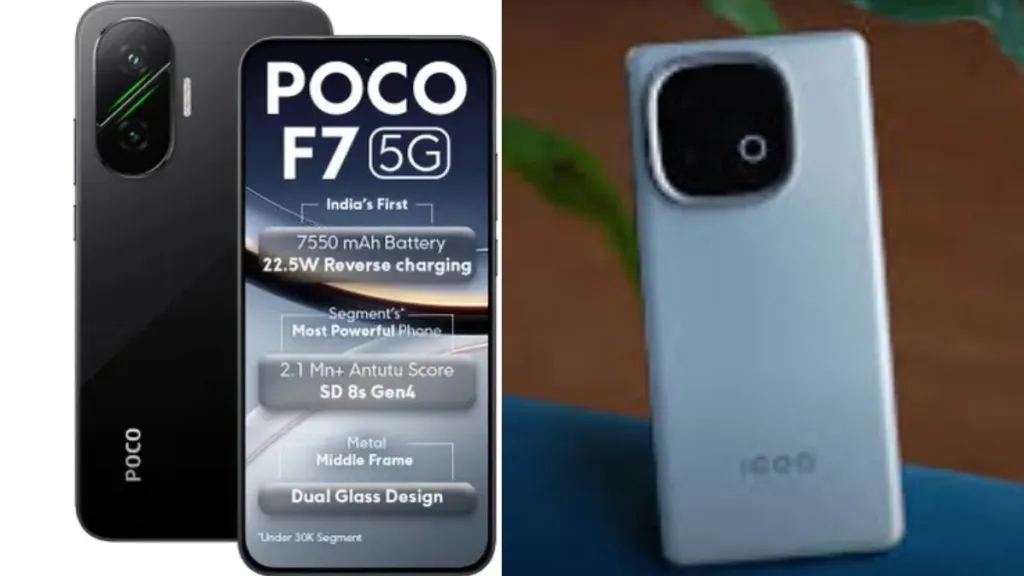
| Budget | X7 (₹15,999) | Z10 Lite (₹10,998) | ₹10-20K |
| Mid-Range | F7 (₹30,999) | Neo 10R (₹30,998) | ₹20-40K |
| Premium | F8 Ultra (₹44,990) | Neo 10 (₹35,998) | ₹40-60K |
| Flagship | Not launched | iQOO 15 (₹72,999) | ₹60K+ |
Budget (₹10K-₹20K): iQOO Wins
iQOO Z10 Lite (₹10,998): 6GB RAM, Dimensity 6300. Poco X7’s metal build and 7,000mAh justify its ₹15,999. Value: iQOO. Longevity: Poco.
Mid-Range (₹20-40K): Poco F7
Poco F7 (₹30,999): Snapdragon 8s Gen 4, 7,550mAh, IP68, 4yr OS + 6yr security. iQOO Neo 10R matches price but offers 3+4 years. Poco’s metal+glass beats plastic.
Premium (₹40-60K): Split
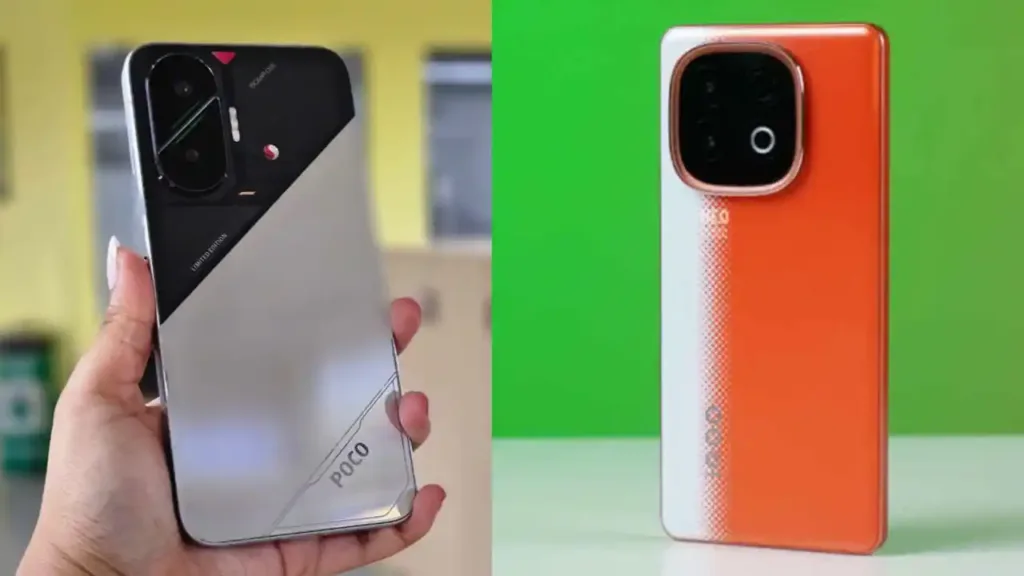
Poco F8 Ultra (₹44,990): Snapdragon 8 Elite Gen 5, 200MP. iQOO Neo 10 (₹35,998): 144Hz, 7,000mAh, 120W for ₹9K less. Gaming: iQOO. Photos: Poco.
Flagship (₹60K+): iQOO
Poco skipped flagship launches. iQOO 15 (₹72,999): Snapdragon 8 Elite Gen 5, triple 50MP, 7,000mAh. Unopposed.
Build Quality: Poco Wins
Poco uses metal+glass; iQOO uses plastic (except flagship).
Software Support: Poco
Poco’s 4yr OS + 6yr security beats iQOO’s 3+4 years. Your 2026 Poco gets updates until 2032.
Gaming: iQOO’s Edge
iQOO’s 144Hz displays, 7,000mm² vapor chambers, and 120W charging deliver smoother gaming. Poco’s metal bodies heat faster.
Camera: Tied
Both use 50MP Sony sensors. Poco’s 200MP HP5 wins zoom; iQOO’s 32MP selfies win vlogs.
Battery: Poco Leads
Poco F7’s 7,550mAh outlasts iQOO’s 7,000mAh. But iQOO’s 120W charging hits 100% in 45 min vs Poco’s 60 min.
2026 Winner: Poco
Poco wins with superior build, longer support, and better pricing across budget/mid-range. iQOO takes gaming and flagship. For 75% of buyers, Poco offers better value.