Mohun Bagan
 Chennaiyin
 PSG
 Lyon
 Sevilla
 Osasuna
 NED
 OMA
 NZ
 IND
 NAM
 IRE
 PAK
 SL
 SA
 AUS
 BAR1
 RMA2
 UDI0
 MIL2
 RSO2
 LEV1
 LEC0
 JUV2
 BRB76/3 (9/15 ov)
 MOW
 NZ-A317
 IND-A113 & 486/7 (117.3 ov)
 SYL280/2 (84 ov)
 KHU
 MYMS465/7d
 CHATT134/2 (40 ov)
 DHA521
 RAJ103/6 (26 ov)
 RAN402
 BAR179/3 (56.1 ov)
 SIKM
 NAGA6/0 (1 ov)
 JHK
 DELHI36/0 (12 ov)
 ODSA49/0 (13 ov)
 SVCS
 BRODA24/0 (8 ov)
 J & K
 CHD51/0 (10 ov)
 HP
 CGR
 AP30/1 (7 ov)
 LUL
 SPR
 TOK
 MIS
 MEX-W51 (12.5/20 ov, target 187)
 ARG-W186/7
 NGA148
 UGA147/9 (20 ov, target 149)
 GMB112/9
 LES109 (19.5/20 ov, target 113)
 MOZ110/7 (19/20 ov, target 110)
 ZMB109/9
 IND-W328/6
 ZIM-W207 (48.5/50 ov, target 329)
 ENG241
 Abha
 Al Faisaly
 Neftchi Fergana
 Al Ittihad
 Besiktas
 Istanbul BB
 Caykur Rizespor
 Trabzonspor
 Al Ahli
 Al-Gharafa
 SUN0
 LEE0
 SCF1
 MUN3

Why did Week 33 matter for the Pixel 11 series, Honor, and Redmi?
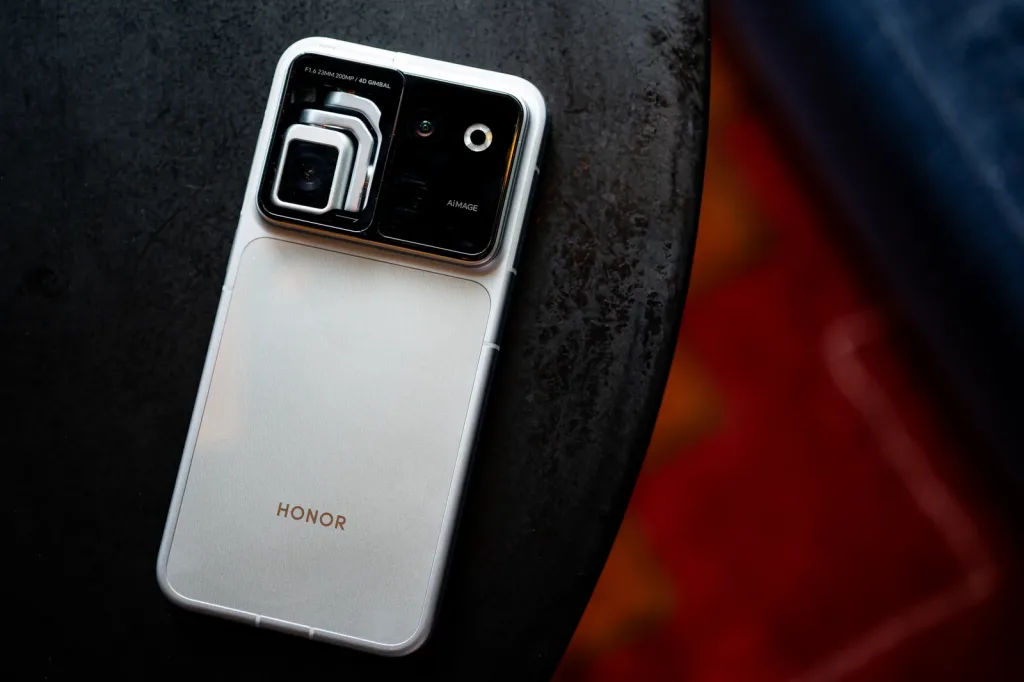
Week 33 (with GSMArena’s summary published on Monday, August 17, 2026) turned into a busy checkpoint for mobile watchers. The standout local anchor for readers is that Redmi 17 was officially announced and detailed during the week ending on Sunday, August 16, 2026. That timing matters because it often sets the tone for what OEMs are prioritizing before the next retail push. Meanwhile, Honor showcased a concept device called the Honor Robot Phone during Week 33 of 2026, adding a different kind of pressure on design-led brands. Across it all, the Pixel 11 series remains in the spotlight, with Tensor G6 chipset support anticipated but not yet officially confirmed.
What did GSMArena’s Week 33 review highlight?
GSMArena’s Week 33 in review framed the week as a blend of “official, concept, and anticipation,” rather than one single blockbuster release. The most concrete milestone for buyers was Redmi 17, described as officially announced and detailed by the week ending Sunday, August 16, 2026. Honor, meanwhile, chose to show imagination through a concept-style pitch: the Honor Robot Phone. That’s not a retail launch yet, but concept devices can still signal where hardware, camera systems, and UI behaviors could go next.
Here’s the thing: the Pixel 11 series thread sits slightly behind that curve because details like a Tensor G6 chipset are based on expectations and supply-chain chatter, not official confirmation. Still, the momentum around Google’s next Tensor generation is enough to shape what competitors emphasize in the same week. That contrast sets up the next question: what’s actually confirmed versus what’s still pending?
What is confirmed, and what is still waiting for proof?
Confirmation level is the real conflict in every Week 33 roundup. Redmi 17 clears the bar because it was officially announced and detailed by August 16, 2026, which means specs and positioning are now anchored to an OEM statement. Honor’s Robot Phone is a different category: it was showcased as a concept during Week 33, so there is no equal “buy now” promise attached to it.
For the Pixel 11 series, the key point is the Tensor G6 story. This is anticipated for the lineup, but not officially confirmed, so readers should treat any performance claims tied to that chipset as speculative until Google says otherwise. Worth watching is how closely rival brands will tie marketing language to “AI on-device” when the exact hardware roadmap isn’t locked yet. Next, we’ll connect these choices to what they mean for users day-to-day.
Why do concept devices like Honor Robot Phone change the market?
That said, concept devices can shift the competitive conversation even when they never ship unchanged. The Honor Robot Phone concept shown during Week 33 acts like a public “north star” for brand identity: it tells competitors what kind of form factor, interaction model, and camera behavior Honor wants to own. It also helps brands collect early narrative traction, which can influence developer priorities and partner ecosystems long before mass production.
For users, the impact shows up indirectly: once a concept becomes a talking point, rival teams often adjust their next announcements to avoid being “outdated” on the narrative. In parallel, the anticipation around the Pixel 11 series and Tensor G6 means Google’s next move could tighten the focus on-device intelligence, which in turn raises the bar for Android flagships that pitch privacy and performance. This is where timing becomes strategic for buyers—so what should you watch for next?
What happens next after Week 33?
Week 33 ends up feeling like a staging area for the next purchase cycle. Redmi 17’s official details give buyers something concrete to evaluate against current alternatives, and it also pressures other brands to respond with clearer feature stacks and repair/parts promises. Honor’s Robot Phone concept will likely build into future teasers that reveal whether the idea becomes a product, and if so, which parts are kept.
For the Pixel 11 series, the path forward is straightforward: the Tensor G6 storyline needs official confirmation to graduate from anticipation to spec-level certainty. Until then, it’s smart to watch for software milestones that often preview hardware capabilities. That means keeping an eye on Android QPR2 Pixel developments and how Google’s updates map to on-device workloads. If you’re shopping soon, compare what’s verified now (like Redmi 17’s official positioning) against what’s still in the pipeline for the Pixel 11 series, then decide based on how soon you need an upgrade.
Pixel series: Bottom line
Week 33 delivered real buying direction with Redmi 17’s official announcement, while Honor Robot Phone and the Pixel 11 series Tensor G6 expectations function as roadmap pressure—so the smartest move is to prioritize confirmed releases now and track official Google/OEM details next.
Related Articles
- Amazon Pixel 11 $100 gift card (2026) — smart deal
- Privacy-focused Android for Pixel in 2026: why it impressed us
- Android 17 QPR2 Adds App Lock to Pixel in 2026 Update
FAQs
Will the Pixel 11 series definitely use Tensor G6?
No, it is anticipated but not yet officially confirmed, so readers should wait for an official Google confirmation before treating Tensor G6 as guaranteed.
Is the Honor Robot Phone launching as a retail product?
During Week 33, Honor showcased it as a concept device, which typically means it is not a confirmed consumer launch at the time of the showcase.
When was Redmi 17 officially announced?
Redmi 17 was officially announced and detailed during the week ending on Sunday, August 16, 2026, as highlighted in the Week 33 coverage window.
How can buyers use this Week 33 info to plan?
Use Week 33 to separate confirmed releases from roadmap signals: evaluate Redmi 17 based on official details, then follow updates on the Pixel 11 series and Honor’s next disclosures before making a final decision.
Was this article helpful?
Your feedback directly improves future articles on this site.