SCP1
 ACV2
 Mohun Bagan
 Chennaiyin
 PSG
 Lyon
 Sevilla
 Osasuna
 NED
 OMA
 NZ
 IND
 NAM
 IRE
 PAK
 SL
 SA
 AUS
 BAR1
 RMA2
 UDI0
 MIL2
 RSO2
 LEV1
 LEC0
 JUV2
 LIMWn
 NW-W
 NCWmn
 FsWm
 NZ-A317
 IND-A113 & 177/2 (49.3 ov)
 SYL280/2 (84 ov)
 KHU
 MYMS465/7d
 CHATT134/2 (40 ov)
 DHA521
 RAJ103/6 (26 ov)
 RAN402
 BAR179/3 (56.1 ov)
 BRB
 MOW
 LUL
 SPR
 TOK
 MEX-W51 (12.5/20 ov, target 187)
 ARG-W186/7
 NGA148
 UGA147/9 (20 ov, target 149)
 GMB112/9
 LES109 (19.5/20 ov, target 113)
 MOZ110/7 (19/20 ov, target 110)
 ZMB109/9
 IND-W328/6
 ZIM-W207 (48.5/50 ov, target 329)
 ENG241
 LAFC
 LA
 Neftchi Fergana
 Al Ittihad
 Besiktas
 Istanbul BB
 Caykur Rizespor
 Trabzonspor
 Al Ahli
 Al-Gharafa
 SUN0
 LEE0
 SCF1
 MUN3

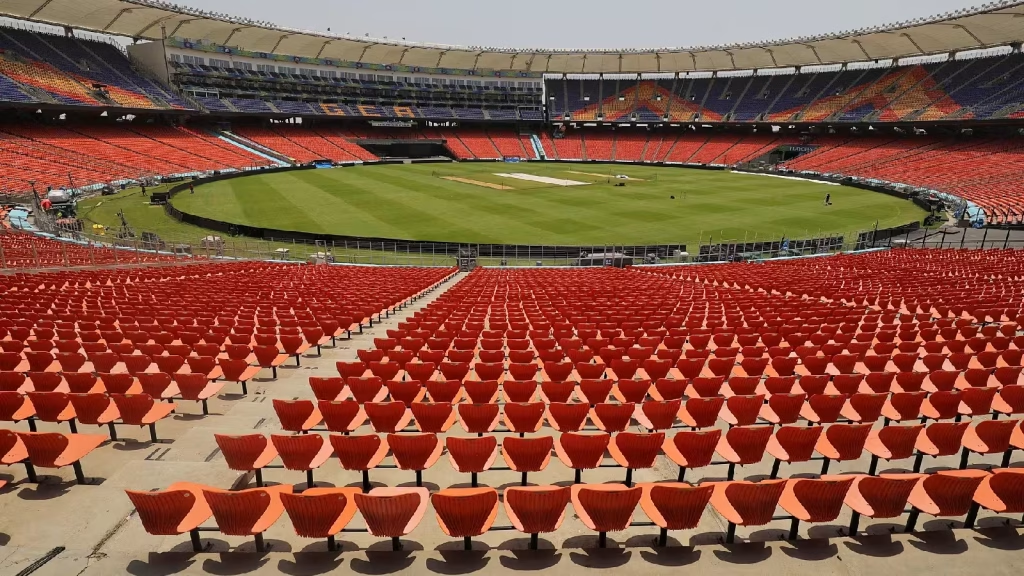
The pitch report from Narendra Modi Stadium revealed critical conditions that shaped how India and New Zealand’s T20 World Cup 2026 final would play out. On March 8, 2026, groundskeepers prepared a surface offering both pace and spin—a tactical puzzle for both captains. Understanding this t20 final surface mattered enormously for predicting the match outcome. Ahmedabad’s reputation for unpredictable tracks had only increased pressure on preparation standards and playing conditions.
📋 In This Article
Surface Breakdown: What the Pitch Report Shows
The pitch report showed a hard, dry surface with visible cracks appearing by day three of preparation. Early moisture made batting easier in the first innings, but the surface deteriorated fast. According to CricInfo, the track measured approximately 22 yards in length with grass covering of 60-70%. The outfield was lightning-quick, which helped aggressive batting during the powerplay. Curators had intentionally left the pitch slightly under-prepared to prevent excessive wear, though this strategy hadn’t worked well in previous matches here.
Here’s what caught everyone’s attention: the pitch report warned of uneven bounce after the 15th over, especially on the leg-side. This inconsistency troubled batsmen unfamiliar with the ground’s quirks.
Tactical Implications for Both Teams
India’s strategy hinged on the pitch report’s details. The home team usually backs spinners in finals, but this surface favored pace bowling in opening spells. New Zealand, on the other hand, counted on their seam attack to exploit early movement. With the stakes so high, both captains had to balance aggression with caution during the powerplay.
Batting first became strategically vital—teams scoring 160+ have historically won on this ground. Dew management shifted conditions dramatically in the second innings. As predicted, India’s spinners, particularly Axar Patel and Ravichandran Ashwin, dominated the middle overs as cracks widened.
Expert Analysis: Spin vs Pace Dominance
Former captains analyzing the pitch favored a balanced XI with three pacers and two spinners. BBC Sport experts noted that the surface typically rewarded discipline over aggression. The pitch’s warning about uneven bounce after 15 overs suggested the powerplay was the decisive phase.
Here’s the reality: winning the toss mattered significantly. Teams chasing faced a drying pitch that crumbled under foot traffic. The pitch essentially handed advantage to whoever batted first, assuming they posted 165+ runs. New Zealand’s experience chasing in subcontinent conditions might have neutralized this edge, but the pitch’s unpredictability created genuine uncertainty.
Common Questions Answered
Q: Did the pitch conditions favor spinners?
A: Not initially—pace bowlers dominated the first 10 overs. Spinners took over from overs 11-18 as the pitch deteriorated.
Q: Did the pitch suggest a high-scoring match?
A: The report indicated 150-170 was par. Teams scoring above 175 rarely lost at this venue.
Q: How accurate was the pitch report?
A: Ground conditions shifted in the 24 hours before play. The report reflected preparation at that time but remained subject to weather changes.