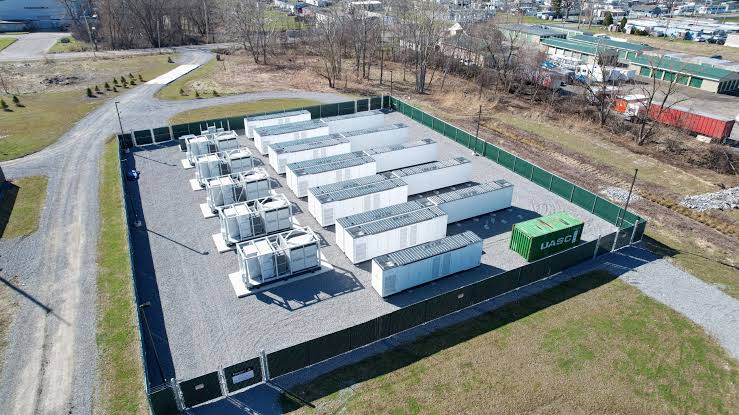
On October 10, 2026, Petra Power reportedly announced plans to modernize energy systems for data centers and defense vehicles. Both sectors have demanding power needs.
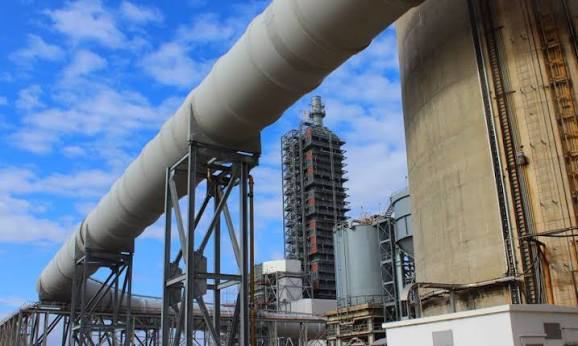
Petra Power's Data Center Energy Initiative
The announcement reportedly points to a strategic shift toward high-density computing infrastructure. Artificial intelligence networks are using unprecedented amounts of electricity, so operators are looking for efficient alternatives to relying on traditional power grids.
Petra Power is rumoured to specialize in solid oxide fuel cells. These devices are reportedly described as converting natural gas directly into electric power without burning it. The chemical process is said to skip the combustion steps used in standard generators, extracting electrons from the fuel to produce electricity.
How Petra Power’s Fuel-Cell Approach Is Described
How do these ceramic devices handle the demands of modern machine learning workloads? Traditional power generation often creates heat, which drives motion and ultimately produces an electromotive force to generate electricity. Each step can bring thermal waste and operational friction.
Petra Power’s approach is designed to skip these stages, potentially raising efficiency and lowering fuel costs. The compact design is said to let facility managers install dense computing racks without sprawling turbine halls or massive ventilation systems. This layout could help address space constraints as hyperscalers build new campuses. Power units emit less ambient heat, which may let operators stack hardware closer together.
Petra Power’s Defense Vehicle Applications
The wider industry faces pressure to decarbonize quickly while computing demand grows exponentially. Petra Power works with defense contractors to integrate ruggedized energy solutions into tactical vehicles, supporting reliable power in off-grid environments.
These potential dual-use capabilities reflect a growing convergence between commercial artificial intelligence growth and national security infrastructure. Organizations weighing long-term sustainability targets may find that running heavy loads quietly and cleanly offers a competitive edge, especially alongside the latest Hard Data Centers storage arrays. Military planners may also value silent, low-emission generators on extended reconnaissance missions.
Outlook for Petra Power’s Energy Initiative
What might this deployment strategy mean for the future of artificial intelligence scaling? Analysts predict that energy availability could soon become the main bottleneck for model training cycles. Companies investing in advanced cooling and power distribution must adapt quickly to avoid capacity constraints. Recent discussions about Data Centers Power show how regional grids can struggle with sudden surges in consumption. Meanwhile, debates over Ukraine Drones Data highlight the strategic need for resilient, mobile power sources in critical operations.
Research published on Towards Data Science often points to thermodynamic limits on current silicon architectures, making chemical-to-electric conversion increasingly attractive. Facilities planning their next expansion should track how these ceramic cells perform under sustained peak loads. Petra Power’s reported push to modernize energy for data centers and defense vehicles could mark a turning point in infrastructure development. Chemical conversion may offer a cleaner, quieter alternative to combustion, matching the rising power demands of artificial intelligence. As models grow and training cycles lengthen, reliable microgrids could help determine which operators can keep scaling. Chemical conversion aims to replace noisy combustion with electron extraction, suggesting that artificial intelligence’s future may depend on chemistry as well as conventional power generation.
FAQs
Why are solid oxide fuel cells considered an alternative to traditional generators?
They’re designed to turn fuel directly into electricity, without the same mechanical-motion steps used in some traditional generators. Claims about efficiency and emissions haven’t been independently confirmed here.
How could Petra Power address space constraints in computing facilities?
The devices are compact, which could let operators install power units without expansive turbine halls.
What role do defense contractors play in this initiative?
Petra Power works with defense contractors to integrate ruggedized energy solutions into tactical vehicles for off-grid operations.
Is this technology exclusively for artificial intelligence workloads?
The reported initiative covers both high-density computing and mobile defense applications.
When was the company originally established?
The company’s founding date hasn’t been confirmed in the available information. Source: TechCrunch
Was this article helpful?
Your feedback directly improves future articles on this site.