PAK221/9 (44.2/50 ov, target 242)
 ENG241
 IND-W328/6
 ZIM-W207/9 (48.4/50 ov, target 329)
 NGA
 UGA
 MEX-W
 ARG-W
 CRY0
 NEW1
 HUL1
 BRE0
 LIV2
 BHA0
 MAN0
 BOU2
 CEL
 BET
 AUX
 MNS
 ANG
 LOR
 OLM
 HAC
 REN
 STR
 TOU
 TRY
 SUN
 LEE
 SCF
 MUN
 ATH4
 GET0
 INT2
 FIO1
 CHU2
 PFC3
 GMB112/9
 LES109 (19.5/20 ov, target 113)
 DEN
 PNG
 LIMWn
 NW-W
 NCWmn
 FsWm
 BOL137/9 (20 ov)
 TITNS137/8
 NWEST22/3 (3.1/20 ov, target 181)
 NCAPE180/3
 MIS
 VAG115/4 (14.3/20 ov)
 NZ-A317
 IND-A113 & 106/2 (36 ov)
 SYL280/2 (84 ov)
 KHU
 BRB
 MOW
 TOK
 SIKM
 NAGA
 JHK
 DELHI
 ODSA
 SVCS
 CGR
 AP
 BRODA
 J & K
 MOZ110/7 (19/20 ov, target 110)
 ZMB109/9
 UAE244/8
 NED245/7 (43.5/50 ov, target 245)
 ATA3
 FRO3
 GEN1
 VEN0
 MON0
 LILL1
 KER0
 MCFC0
 TSG0
 B040
 NEC2
 GRO2
 PSV1
 FEY1
 Motherwell0
 Hearts1
 Atlético1
 Deportivo0
 Lazio2
 Parma1
 Lens2
 Paris FC1
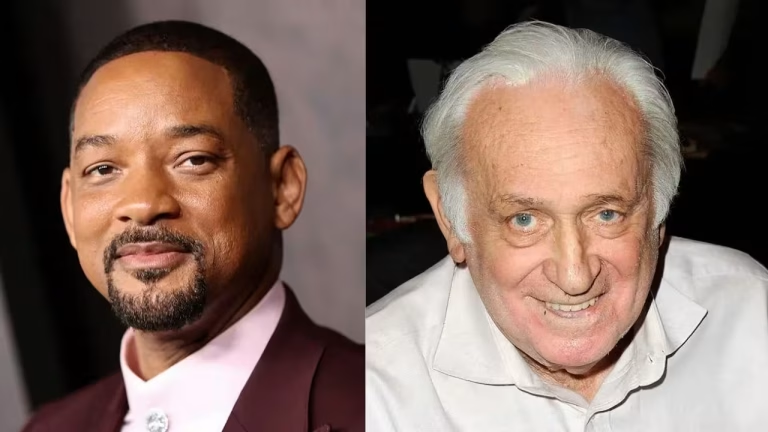
Oscar bans remain one of the most talked-about controversies in Hollywood circles. The real story often involves shocking incidents, personal misconduct, or public outbursts by celebrities during or around the Academy Awards. These bans highlight how seriously the Oscars treat their reputation. For more insights on star controversies, check out our piece on nicole kidman moments that shook the industry.
Setting the Scene with Oscar Bans
Oscar bans arise not from missing a dress rehearsal but from incidents that challenge the Oscars’ decorum. In recent years, the Academy of Motion Picture Arts and Sciences has cracked down on behavior that risks overshadowing the awards. From fights to controversial speeches, celebrity faux pas such as slap moments or public disputes have led to bans. The real question is: why do these bans matter in the highly competitive top celebrities stir environment of Hollywood?
Recent headlines remind us that no matter how big a star is, public conduct at the Oscars is under intense scrutiny, and the Academy shows zero tolerance for disruption.
Oscar bans: Key Facts & Figures on it
The history of this includes some jaw-dropping and headline-grabbing cases. The most infamous probably involves a leading star banned for 10 years after an altercation during the 2022 ceremony. Another celebrity faced a 5-year ban following controversial remarks that sparked backlash from both the public and peers.
Important to note—bans don’t just bar attendance; they can limit voting rights and participation in events organized by the Academy. According to ScreenCrush, official bans are rare but impactful, preserving the Oscars’ image in a world where social media amplifies every misstep.
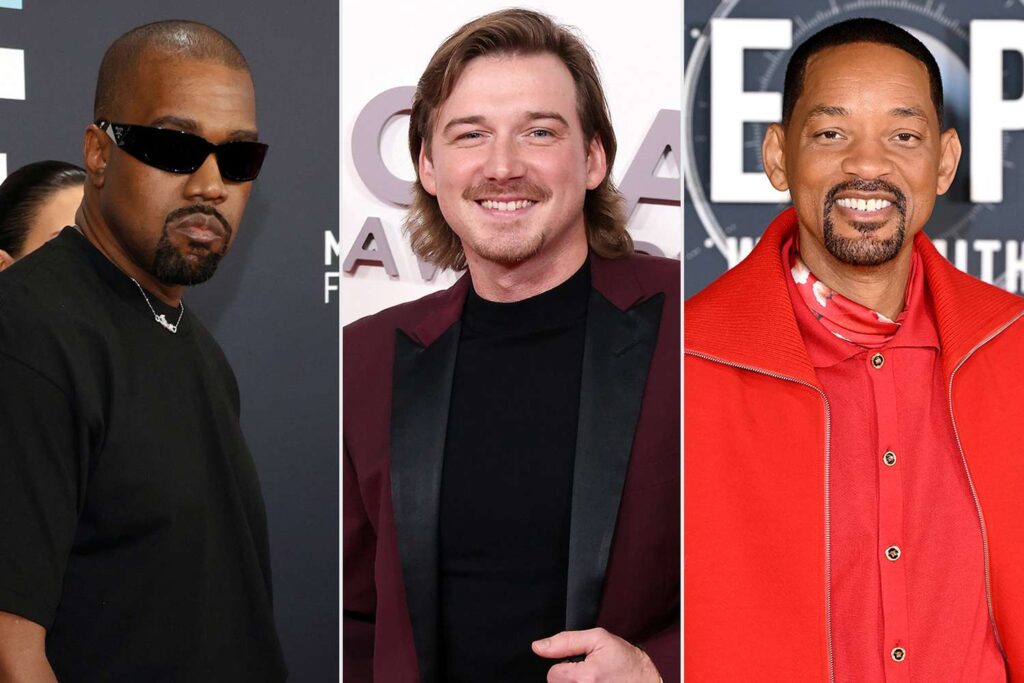
While the Academy doesn’t always reveal details, insiders say that the criteria behind the technology include physical violence, hate speech, and violations of contract. Celebrities who masterfully avoided bans, despite scandals, often do so through public apologies and charity work, showing the nuance involved.
Our Take on the Impact of the tool
this approach are more than punishment—they send a powerful message about the standards expected in entertainment’s most prestigious arena. This matters because the Oscars are not just about talent but integrity and respect for the craft. Considering the rise of OTT platforms and evolving celebrity culture, these bans ensure that the spotlight does not fall on controversies but on excellence.
That said, the platform can also fuel debates about fairness and artistic freedom. Some argue that banning prominent actors might stunt creative expression, but this overlooks the importance of professional conduct and responsibility (according to VentureBeat AI)
The Oscars must balance showcasing the best performances while maintaining a safe, respectful environment. How the Academy navigates it in the future, amid growing public pressures and shifting social expectations, will shape the awards’ credibility for years (as reported by OpenAI Blog)
What Experts Say About this
Q: Why does the Academy impose the technology?
The ban aims to protect the Academy’s reputation and ensure ceremonies run smoothly without disruptions or harm, experts say.
Q: Are the tool common? No, bans are rare and reserved for serious violations like violence or hate speech, according to industry insiders.
Q: Can banned celebrities return to the Oscars? Yes, bans can be time-bound, with reinstatement possible after demonstrating changed behavior and formal apologies.
Q: How do this approach affect a celebrity’s career? Bans can tarnish public perception but sometimes increase a star’s notoriety, affecting future collaborations in both positive and negative ways.
For a look at how some stars bounce back from controversies, see how oscar winners shine even after setbacks.
the platform are a critical part of maintaining decorum at the Oscars, impacting celebrities and the industry alike.