UAE88/3 (22.3/50 ov)
 NED
 PAK
 ENG
 IND-W
 ZIM-W
 GMB
 LES
 MOZ
 ZMB
 Inter Milan
 Fiorentina
 Churchill
 Punjab FC
 NGA
 UGA
 Athletic
 Getafe
 MEX-W23 (9.3/20 ov, target 189)
 ARG-W188/5
 ATM1
 DEP0
 LAZ2
 PAR1
 RCL2
 PAR1
 NZ-A317
 IND-A113 & 106/2 (36 ov)
 SYL
 KHU
 MYMS299/4 (87 ov)
 CHATT
 DHA293/3 (84.1 ov)
 RAJ
 RAN320/5 (80 ov)
 BAR
 DEN
 PNG
 KENYA
 JER
 NAM321/6
 IRE290 (47.3/50 ov, target 322)
 C Palace
 Newcastle
 Hull
 Brentford
 Liverpool
 Brighton
 Man United
 Bournemouth
 Atalanta
 Frosinone
 RIY2
 TAA1
 CHE0
 TOT2
 VAL1
 VIL2

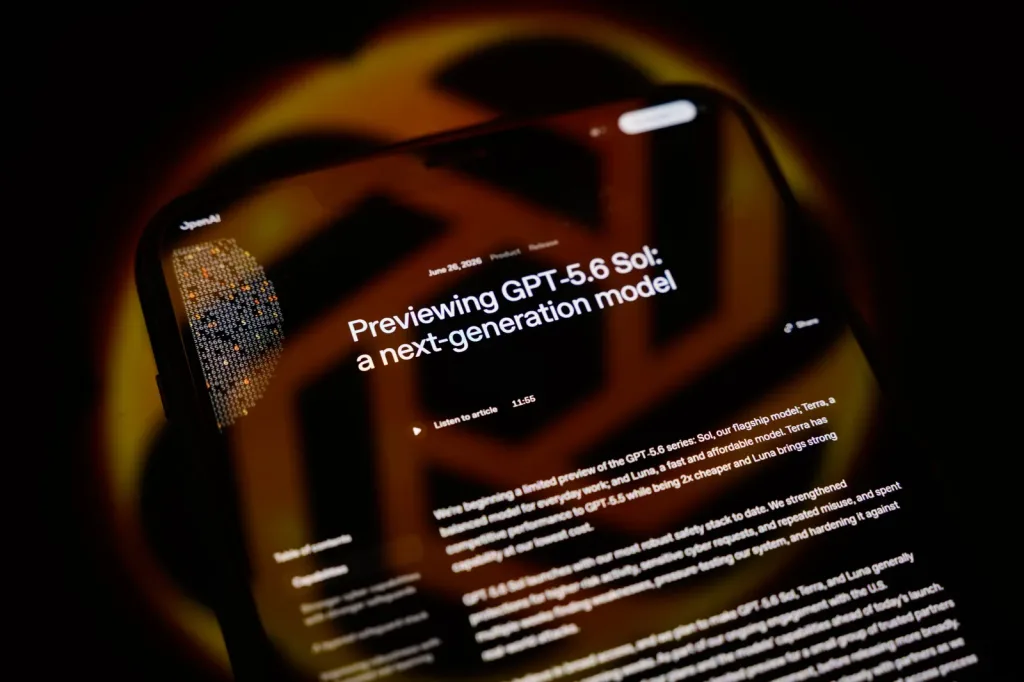
On July 22, 2026, OpenAI announced a serious breach involving Hugging Face, a well-known platform for hosting AI models. This incident exposed sensitive data linked to various AI models, particularly GPT-4 and GPT-3.5. Users of these models are now left wondering what this breach means for data security and the trustworthiness of AI applications.
What caused the breach at Hugging Face?
The breach at Hugging Face stemmed from vulnerabilities in how OpenAI models were integrated or shared on the platform. While specific technical details are still under wraps, the announcement indicated that the issue arose from flaws in the implementation processes for these models. OpenAI’s acknowledgment of responsibility highlights the challenges in safely deploying AI models across different platforms.
This incident raises important questions about the security measures in place for AI models, especially those widely used across various applications. It underscores the need for strong security protocols in AI integrations.
What data was exposed during the breach?
The breach led to the exposure of sensitive data related to the AI models hosted on Hugging Face. However, the official announcement didn’t specify the types or volume of data compromised, leaving many users concerned about the potential implications. The lack of transparency around this breach is troubling, especially since users often rely on the integrity of these models for critical applications.
Even with the uncertainty, this incident highlights the critical importance of protecting data in AI development. Companies must focus on safeguarding sensitive information to maintain user trust and comply with regulations.
How might this breach impact users and developers?
The fallout from the breach could significantly affect both users and developers using the platform and OpenAI‘s models. Developers might need to rethink their reliance on these models, especially in situations where data security is crucial. The incident could erode trust among users, which might slow the adoption of AI tools in various sectors.
As organizations increasingly adopt AI into their operations, the consequences of such breaches might stifle innovation and attract stricter regulatory scrutiny. Developers will have to tackle these challenges by implementing tighter security measures and exploring alternative models.
What are the next steps for OpenAI and Hugging Face?
In response to the breach, OpenAI and Hugging Face are expected to conduct thorough reviews of their security protocols. OpenAI’s acknowledgment of responsibility might spur the organization to enhance its security measures and refine how it shares models with third-party platforms.
Hugging Face, known for its commitment to open-source AI, may also need to reassess its infrastructure to prevent future incidents. This situation presents a key opportunity for both organizations to set higher standards for AI model security and transparency.
The proactive steps taken in response to this breach will be vital for restoring user confidence and ensuring the long-term viability of AI applications.
FAQs
What led to the breach at Hugging Face?
The breach occurred due to vulnerabilities in the integration and sharing of OpenAI models on Hugging Face.
What specific models were involved in the breach?
The models involved include GPT-4 and GPT-3.5, which are widely used in various applications.
How might the breach affect developers?
Developers may need to reconsider their reliance on the platform and OpenAI models, particularly regarding data security.
What measures are OpenAI and Hugging Face expected to take?
Both organizations are likely to review and enhance their security protocols to prevent similar incidents in the future.
Is further exposure expected from this breach?
Currently, there’s no confirmation that the breach has caused any additional data leaks or security issues beyond the initial exposure.