

Oklo: Unpacking the , Nvidia, and Los Alamos Alliance
just partnered with Nvidia and Los Alamos National Laboratory to validate nuclear fuels for AI factories. The number: a collaboration that combines nuclear fuel science with the computational demands of modern AI.
At its core, this partnership seeks to bridge the gap between advanced nuclear fuel science and the insatiable computational hunger of modern AI. brings its expertise in developing compact, advanced fission reactors, specifically designed for reliable, on-site power generation.
Nvidia, a titan in AI and high-performance computing, provides the technological backbone necessary to process the vast datasets and complex algorithms that define contemporary AI. That said, oklo is worth examining closely here.
Los Alamos National Laboratory, a premier research institution with deep roots in nuclear science and engineering, offers critical validation and safety expertise, particularly concerning plutonium-bearing fuels.
This fusion of capabilities is intended to create self-sufficient, power-dense AI operational hubs, often referred to as “AI factories.” The immediate goal is to enhance the efficiency and viability of nuclear fuel for these demanding manufacturing processes. Oklo, specifically, plays a bigger role than most coverage suggests.
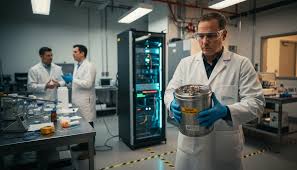
This isn’t just another corporate partnership; it’s a strategic alignment at the confluence of energy, computing, and national interest. The ability to generate significant, localized power for AI processing could democratize access to cutting-edge AI capabilities, especially for government and defense sectors looking to reduce reliance on vast, energy-intensive data centers. Towards Data Science confirms.
The focus on plutonium-bearing fuels, while potentially controversial, speaks to the drive for greater fuel efficiency and energy density in compact reactor designs. The picture for oklo is more nuanced than headlines indicate.
Fueling the Future: Nuclear Validation for AI
The crux of this collaboration lies in the validation of nuclear fuels, particularly those containing plutonium, for use in advanced reactor designs powering AI factories. Oklo’s Aurora design, a fast fission microreactor, is central to this effort. These reactors are designed to be small, modular, and capable of operating with a variety of fuel types, including advanced fuels that can significantly increase energy output and reduce waste compared to traditional reactors.
Nvidia‘s role extends beyond simply providing hardware; their AI infrastructure is crucial for simulating fuel performance, optimizing reactor operations, and analyzing the complex data generated during validation processes. Los Alamos’s deep scientific bench provides the independent, rigorous testing required to ensure safety and efficacy, especially for fuels that require specialized handling and understanding. Tom’s Hardware confirms.
Not everyone is convinced that plutonium-bearing fuels are the immediate answer for widespread AI power generation—critics point to the historical challenges in fuel reprocessing and waste management. However, the team’s emphasis on validation suggests a measured approach, aiming to establish robust safety protocols and performance benchmarks before any large-scale deployment. This methodical validation is precisely what’s needed to build trust and overcome regulatory hurdles.
Navigating the Roadblocks: Safety, Regulation, and Timelines
While the vision of nuclear-powered AI factories is compelling, the path forward is fraught with potential challenges. The primary concern revolves around the safety and security of handling plutonium-bearing fuels. Regulatory frameworks for such advanced nuclear materials, especially when integrated with high-performance computing infrastructure, are still evolving.
Los Alamos’s involvement is key here, but navigating the complex web of national and international regulations will be a significant undertaking. The timeline for deploying these advanced AI factories remains uncertain.
Developing and validating new nuclear fuel types, alongside the construction of specialized reactors, is a multi-year, if not multi-decade, process. The initial announcements from , Nvidia, and Los Alamos focus heavily on the technical synergy, but the practical realities of regulatory approval and public acceptance for plutonium-based energy sources are substantial hurdles that have been largely unaddressed in promotional materials.
The integration of AI for optimizing these processes, as highlighted by VentureBeat AI reports on AI infrastructure, could accelerate development. However, the fundamental challenges of nuclear material management and public perception are not easily overcome by computational power alone. The genesis mission, often cited in relation to such advanced nuclear projects, faces rigorous scrutiny.
The Verdict: A Bold Step, But Years Away
This collaboration between , Nvidia, and Los Alamos represents a bold vision for the future of AI infrastructure. The synergy between advanced nuclear power and high-performance computing is undeniable, promising unprecedented energy density and operational autonomy.


