SA329 (82.3 ov)
 AUS
AUS BAN
BAN WI
WI IND-W
IND-W ZIM-W
ZIM-W GOA
GOA SC Delhi
 Milan
Milan Bologna
 Parma
Parma Udinese
 Venezia
 Inter Milan
 Genoa
Genoa Juventus
 Monza
Monza Napoli
 ROMA4
ROMA4 CAG2
CAG2 TOR1
TOR1 COMO3
COMO3 SAS2
SAS2 LAZ6
LAZ6 AFG177
 ZIM140 (19.1/20 ov, target 178)
 AUCK
AUCK CANT
CANT CD
CD ND
ND SIKM184
 NAGA187 & 46/4 (34 ov)
 JHK131/4 (47 ov)
 DELHI515/5d
 ODSA194
 SVCS13/0 (5 ov)
 BRODA616
 J & K6/0 (4 ov)
 CHD685/5d
 HP49/0 (14 ov)
 CGR216/8 (95 ov)
 AP231
AP231 HYD193/2 (54 ov)
 PNJB431
 KNTKA297/7 (95 ov)
 TPURA194
 KER101/6 (35 ov)
 BENG350
 UAE
UAE OMA
OMA ENG
ENG SL
SL DEN
DEN QAT
QAT KENYA
KENYA KUW
KUW POA
POA SPR
SPR BRB
BRB VAG
VAG PAK110
 NAM316/7
 IRE253 (44.5/50 ov, target 317)
 NZ198/3
 IND199/4 (13.2/20 ov, target 199)
 NED371/5
 JAB113 (19.3/20 ov, target 133)
 KAY132/9
 Gamba Osaka
 Buriram
 Kashima
 Pohang Steelers
 ABH0
ABH0 ALF1
ALF1 Sevilla2
 Osasuna0
 PSG2
PSG2 Lyon0
Lyon0
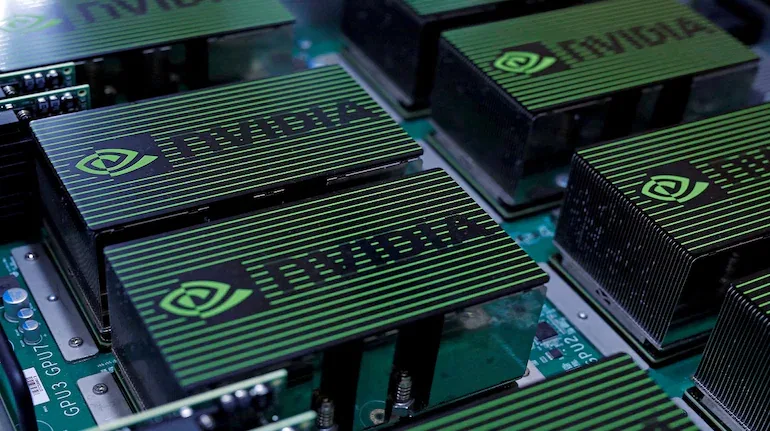
NVIDIA‘s CEO hints that the next chip for China will likely be a Blackwell model, stating that the H200 cannot be modified anymore. Discover what this means for the tech landscape.
NVIDIA’s Next Chip for China: Blackwell Model Insights Revealed
In a recent announcement, NVIDIA’s CEO has shed light on the company’s future plans for the Chinese market, indicating that the next chip will likely be a Blackwell model. This revelation comes with significant implications, especially as the H200 chip is reportedly no longer modifiable. Let’s dive into what this means for NVIDIA, its customers, and the broader tech landscape.
What is the Blackwell Model?
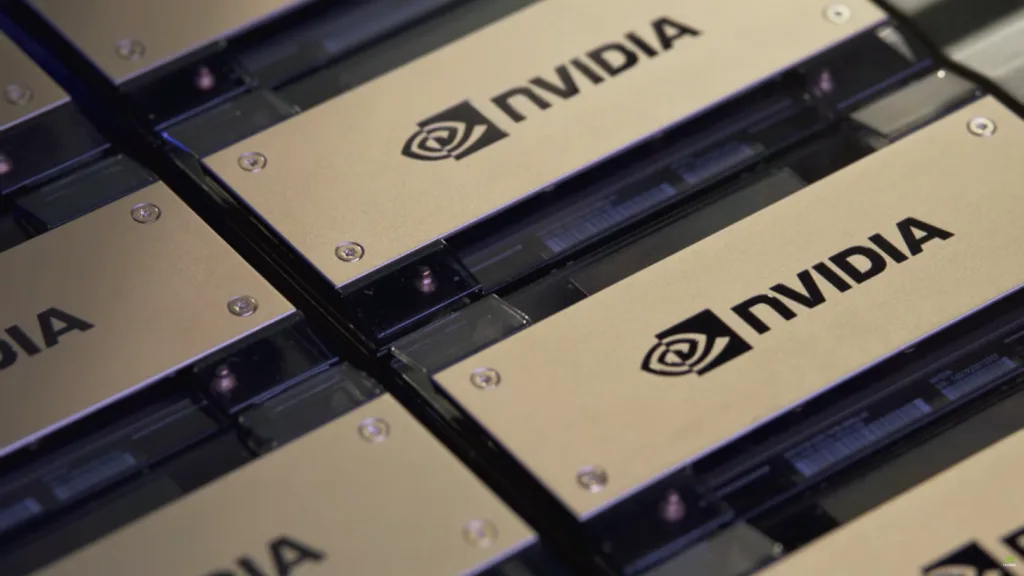
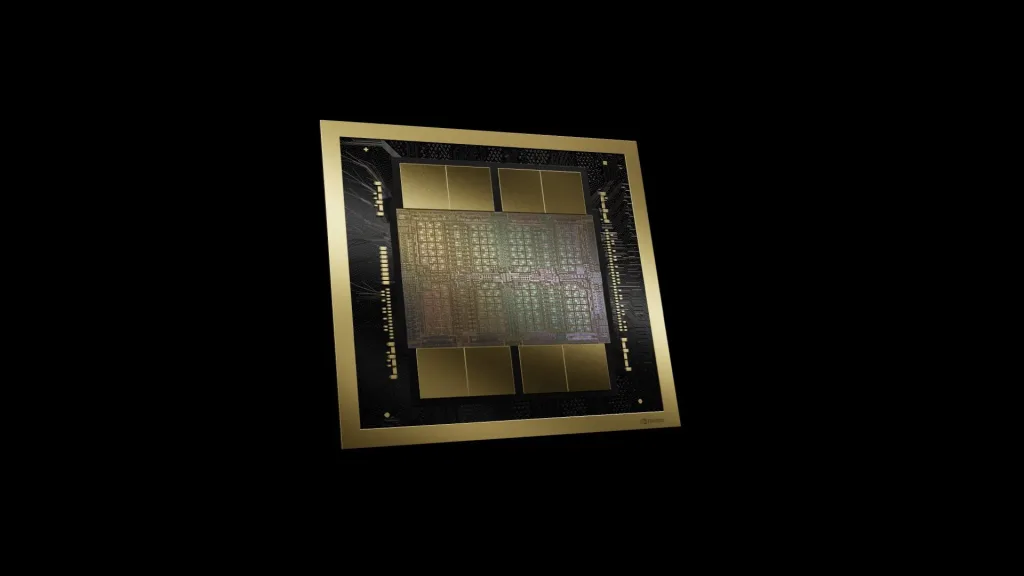
The Blackwell model represents the graphics giant’s latest advancements in chip technology, designed to enhance performance and efficiency. This new architecture aims to cater to the growing demands of AI and machine learning applications, particularly in regions like China, where these technologies are rapidly evolving.
Why the Shift from H200?
The H200 chip has been a cornerstone of NVIDIA’s offerings, but the CEO’s statement that it cannot be modified anymore raises questions about its future. This decision likely stems from regulatory challenges and the need for NVIDIA to adapt to the specific requirements of the Chinese market. The transition to the Blackwell model signifies a strategic pivot to ensure compliance and meet local demands.
Implications for the Tech Industry
| Aspect | H200 Chip | Blackwell Model |
|---|---|---|
| Modifiability | No longer modifiable | Expected to be adaptable |
| Target Market | General AI applications | Focused on China |
| Performance | High, but limited updates | Enhanced performance |
| Compliance with Regulations | Challenging | Designed for local needs |
What This Means for NVIDIA and Its Customers
For NVIDIA, the shift to the Blackwell model could open new avenues for growth in China, a market that is increasingly important for tech companies. Customers can expect improved performance tailored to their specific needs, particularly in AI and data processing tasks.