Nothing founder Carl Pei delivered sobering news to smartphone enthusiasts this week, confirming that the company’s upcoming devices will cost significantly more than their predecessors due to the global memory shortage. In a candid post on X, Pei declared “the era of cheap silicon is over” and warned that some competitors are already justifying price increases up to 30%.
The announcement comes as Nothing prepares to launch its Phone (4a) series in Q1 2026, likely in March based on the company’s historical release patterns.
The Memory Crisis Reality Check
Pei’s transparency about component costs reveals the harsh economics reshaping the smartphone industry:
| Component | 2025 Price | Late 2026 Projection | Increase |
|---|---|---|---|
| Memory modules (basic) | <$20 | ~$60-80 | +200-300% |
| Memory modules (flagship) | ~$30-40 | $100+ | +150-250% |
| Industry-wide impact | Baseline | 30% higher MSRPs | +30% |
According to Beebom’s analysis, memory components have already tripled in price over the past year, driven by AI data center demand consuming manufacturing capacity previously allocated to consumer electronics.
What This Means for Nothing’s Pricing
The Phone (3a) launched at $379 in March 2025, establishing Nothing’s value proposition in the mid-range segment. With current cost pressures, industry observers project the Phone (4a) could start around $500—a $120+ increase that fundamentally alters the brand’s positioning.
Historical Nothing Pricing:
- Phone (1): $399-469 (2022)
- Phone (2): $599-699 (2023)
- Phone (2a): $349 (2024)
- Phone (3a): $379 (2025)
- Phone (3): $599 (2025)
- Phone (4a): $480-520 estimated (2026)
The potential 25-30% price jump threatens Nothing’s core identity as the brand offering flagship experiences at accessible prices.
Strategic Response: Better Hardware, Higher Prices
Rather than absorbing costs through margin compression, Nothing plans to justify higher prices through meaningful hardware upgrades. Pei confirmed the Phone (4a) series will feature UFS 3.1 storage—a substantial improvement over the UFS 2.2 found in Phone (3a) and (2a) models.
Storage Performance Impact:
- UFS 2.2 (Phone 3a): ~800 MB/s sequential read
- UFS 3.1 (Phone 4a): ~2,100 MB/s sequential read
- Real-world benefit: Faster app launches, smoother multitasking, quicker file transfers
The storage upgrade addresses one of the most common criticisms leveled at Nothing’s mid-range devices, where slower UFS 2.2 created noticeable performance bottlenecks despite capable processors.
Beyond Specifications: The Experience Philosophy
Pei’s lengthy X post outlined a strategic pivot away from specifications warfare toward user experience differentiation:
Key Philosophy Shift: “2026 is the year the ‘specs race’ ends. As the industry resets, experience becomes the only real differentiator. That is exactly what Nothing was built for.”
This positioning acknowledges that mid-range devices have largely achieved performance parity with flagships for typical use cases. With component costs rising, competing on raw specifications alone becomes economically unsustainable.
Instead, Nothing will emphasize software refinement, AI integration, build quality, and design differentiation—areas where the brand has traditionally excelled through its distinctive Glyph Interface, Nothing OS customizations, and transparent aesthetic.
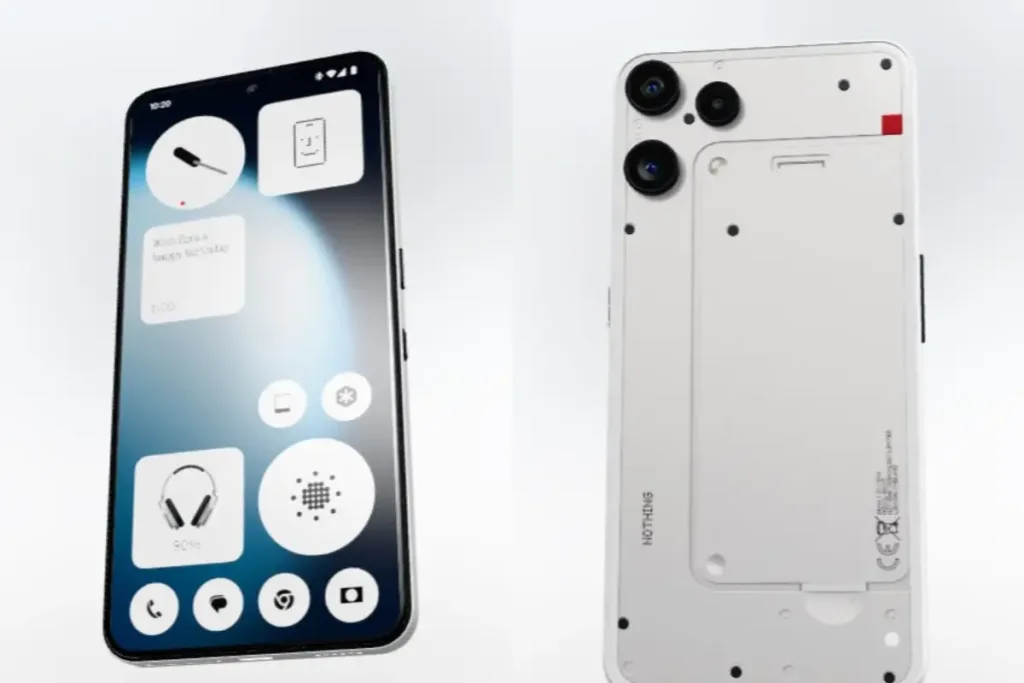
Phone (4a) Series: What to Expect
While official specifications remain unconfirmed, certification database leaks and industry sources suggest the lineup will include:
Phone (4a) Standard:
- Snapdragon 7s Gen 4 chipset (likely)
- 6.7+ inch AMOLED display, 120Hz
- UFS 3.1 storage (confirmed)
- 5,000mAh+ battery
- 50W fast charging
- Dual rear cameras
- Nothing OS 4.0 based on Android 16
Phone (4a) Pro:
- Same processor as standard model
- Triple camera system with telephoto lens
- Faster charging (65-80W expected)
- Premium materials and finish
- Additional RAM/storage options
The March 2026 launch timeline mirrors the Phone (3a) series introduction in March 2025, suggesting Nothing maintains consistent annual refresh cycles for its mid-range offerings.
India Market Implications
For Indian consumers who’ve embraced Nothing’s value proposition enthusiastically, the price increases present challenges:
Market Dynamics:
- Phone (2a) launched at ₹23,999 in India, establishing strong value positioning
- Phone (3a) started at ₹27,999, representing modest increase
- Phone (4a) could exceed ₹35,000-40,000, pushing into premium territory
At ₹40,000, Nothing competes directly against OnePlus Nord series, Samsung Galaxy A-series flagships, and even discounted previous-generation flagships—a crowded battlefield where brand equity and ecosystem lock-in play larger roles than raw specifications.
However, India’s smartphone market has demonstrated willingness to pay premium prices when value is clearly demonstrated. If Nothing successfully articulates the UFS 3.1 upgrade, enhanced AI features, and superior experience, Indian consumers may accept higher pricing.
The company’s recent announcement about manufacturing Phone (3) in India could help offset import duties and maintain competitive pricing despite global component inflation.
Industry-Wide Phenomenon
Nothing isn’t alone in confronting these cost pressures. Virtually every smartphone manufacturer faces the same memory shortage dynamics:
Competitor Responses:
- Samsung: Already implementing selective price increases on mid-range Galaxy A-series
- Xiaomi: Redmi Note 15 series prices elevated 15-20% over predecessors
- OnePlus: Nord series pushing into premium territory
- Motorola: Edge series seeing gradual price creep
Nextpit’s comprehensive analysis notes that $400 phones packed with high-end specifications may become historical artifacts rather than ongoing market fixtures, as the economic fundamentals supporting that positioning have fundamentally changed.
The Long-Term Outlook
Pei’s acknowledgment that memory costs could continue rising through late 2026 suggests this isn’t a temporary blip but a structural market shift. AI infrastructure buildout shows no signs of slowing, and memory manufacturers like Samsung and SK Hynix have explicitly stated they’re prioritizing high-margin AI server products over consumer electronics.
Potential Market Outcomes:
- Longer replacement cycles: Consumers keeping phones 3-4 years instead of 2-3
- Used market growth: Refurbished and second-hand devices gaining mainstream acceptance
- Feature phone resurgence: Basic devices serving price-sensitive segments
- Flagship repositioning: Premium devices justifying $1,000+ pricing more easily
- Mid-range consolidation: Fewer differentiated options as margins compress
What Consumers Should Do
If you’re considering a Nothing phone:
Buy Now (Phone 3a):
- Current-generation devices represent better value at pre-inflation pricing
- Phone (3a) series available at launch prices ($379+) with occasional discounts
- UFS 2.2 storage adequate for most users despite benchmark disadvantages
- Five-year software support ensures long-term viability
Wait for Phone (4a) if:
- You prioritize latest features and future-proofing
- Storage performance bottlenecks frustrate your current device
- You can budget $100-150 extra for meaningful upgrades
- You want Android 16 out-of-box experience
Consider Alternatives:
- Previous-generation flagships often discounted heavily post-launch (OnePlus 14, Pixel 9)
- Chinese brands (Poco, Realme) still competing aggressively on price
- Refurbished iPhones offering ecosystem benefits at competitive pricing
The Transparency Factor
While price increases frustrate consumers universally, Pei’s direct communication about underlying causes differentiates Nothing’s approach. Rather than quietly raising MSRPs or reducing specifications, the company explains economic realities forcing difficult decisions.
This transparency builds trust even when delivering unwelcome news—customers understand they’re paying more for legitimate cost reasons rather than margin expansion, and Nothing is committing to hardware improvements justifying higher pricing.
Whether this strategy succeeds depends on execution. If Phone (4a) delivers meaningfully better experiences despite higher costs, Nothing maintains its value positioning at new price points. If it feels like incremental improvements at inflated pricing, competitors offering better price-to-performance ratios will capitalize.
Track Nothing’s Phone (4a) series launch and comprehensive reviews at TechnoSports.co.in.