
 SA329 (82.3 ov)
 AUS
AUS BAN
BAN WI
WI IND-W
IND-W ZIM-W
ZIM-W GOA
GOA SC Delhi
 Milan
Milan Bologna
 Parma
Parma Udinese
 Venezia
 Inter Milan
 Genoa
Genoa Juventus
 Monza
Monza Napoli
 ROMA4
ROMA4 CAG2
CAG2 TOR1
TOR1 COMO3
COMO3 SAS2
SAS2 LAZ6
LAZ6 AFG177
 ZIM140 (19.1/20 ov, target 178)
 AUCK
AUCK CANT
CANT CD
CD ND
ND SIKM184
 NAGA187 & 46/4 (34 ov)
 JHK131/4 (47 ov)
 DELHI515/5d
 ODSA194
 SVCS13/0 (5 ov)
 BRODA616
 J & K6/0 (4 ov)
 CHD685/5d
 HP49/0 (14 ov)
 CGR216/8 (95 ov)
 AP231
AP231 HYD193/2 (54 ov)
 PNJB431
 KNTKA297/7 (95 ov)
 TPURA194
 KER101/6 (35 ov)
 BENG350
 UAE
UAE OMA
OMA ENG
ENG SL
SL DEN
DEN QAT
QAT KENYA
KENYA KUW
KUW POA
POA SPR
SPR BRB
BRB VAG
VAG PAK110
 NAM316/7
 IRE253 (44.5/50 ov, target 317)
 NZ198/3
 IND199/4 (13.2/20 ov, target 199)
 NED371/5
 JAB113 (19.3/20 ov, target 133)
 KAY132/9
 Gamba Osaka
 Buriram
 Kashima
 Pohang Steelers
 ABH0
ABH0 ALF1
ALF1 Sevilla2
 Osasuna0
 PSG2
PSG2 Lyon0
Lyon0
Amagi just rolled out Newspulse, their brand-new AI-driven news automation platform, and it could completely change how broadcasters react to breaking news. Unlike some competitors who zero in on just content creation, Newspulse takes on every stage of the news process — from hunting down stories to delivering them live on air.
The launch couldn’t land at a better moment. With tools like Claude Opus 4.6 Fast raising the bar on AI speed, it’s clear that rapid-fire reaction is where the real competition lies.
What Makes this Different: Newspulse in Practice
Here’s the thing: most news automation platforms only do one job at a time. Not this one. Newspulse keeps tabs on over 200 global news sources at once, using natural language processing to spot breaking stories in just seconds.
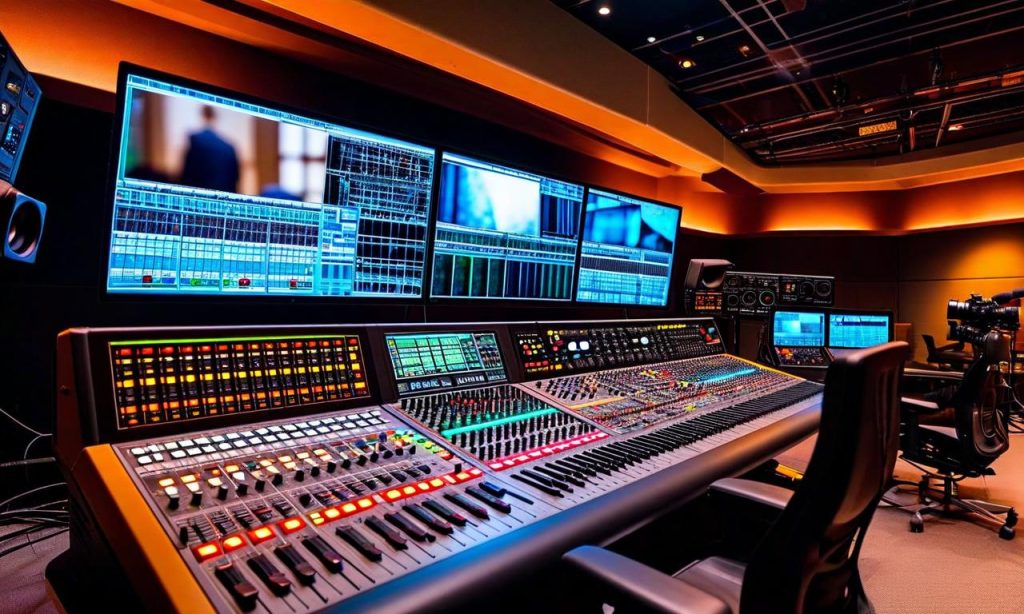
But what really stands out? Real-time sentiment analysis. While others just pull together headlines, this platform actually reads the room across social media, predicting which stories will catch fire next. For news directors who have to make choices on the fly, that’s a huge edge.
It doesn’t just find stories, either. The AI gets the vibe and context. MIT Technology Review points out that context-aware AI is the future for media automation. With this, the tech can tell the difference between a celebrity’s routine outing and a story that’s about to blow up.
Newspulse: the platform Pricing, Specs & Launch Date
Don’t expect a price tag on the website just yet. Amagi’s keeping specifics quiet, but word is that the subscription starts around $15,000 a month for mid-sized broadcasters. Larger enterprise deals could top $50,000 monthly, especially if you want extra customization or more channels.
Specs-wise, it doesn’t mess around. The platform churns through as many as 10,000 articles each minute and answers in less than three seconds. You’ll get support for 47 languages, with the ability to instantly produce localized versions of breaking news stories.
| Feature | Specification |
|---|---|
| Processing Speed | 10,000 articles/minute |
| Response Time | Under 3 seconds |
| Language Support | 47 languages |
| Source Monitoring | 200+ global outlets |
| API Integration | REST & GraphQL |
Mark your calendars: the official launch is planned for Q2 2026 in North America and Europe. Indian broadcasters will see it hit the market in Q3, complete with Hindi, Tamil, and Bengali support.
How this Stacks Up Against Rivals
Let’s be real: the competition’s not just sitting there. Reuters’ Lynx Insight and Bloomberg’s News AI already have the financial news world locked down. But this platform’s aiming for general news broadcasters — a totally different challenge.
Here’s where Newspulse pulls ahead: built-in social listening. Most rivals treat tweets and posts as an afterthought, but Newspulse puts them at the core, spotting stories before they go viral. For non-stop news channels battling for viewer eyeballs, that’s a game-winner.
Of course, there’s a downside. The platform hasn’t really proved itself yet. You can read up on 5 “Secret” Codes to amp up AI, but if your system crashes during a big story, all those features are useless. Reuters and Bloomberg have already weathered storms, while Newspulse is still the new kid.
Even so, early reports from beta testers look good. Three US broadcasters (who haven’t gone public yet) said they saw a 40% faster turnaround on stories during recent political events. If that keeps up, Newspulse could seriously shake things up.
The Bottom Line on this
Q: Will the technology replace human journalists?
Nope. The platform’s great at pulling together info and writing first drafts, but real people still need to check facts and make editorial calls. Think of it as having a supercharged research assistant in the newsroom.
Q: How accurate is the AI-generated content?
Amagi says it hits 94% accuracy on factual information, though that’s just from limited beta tests. We don’t really know how it’ll hold up when the news gets wild and fast-paced.
Q: Can smaller stations afford the tool?
The starting price — $15,000 a month — will make sense for mid-sized and big broadcasters. Smaller, local channels might have to wait for a lighter version or collaborate with bigger networks to get access.
Q: What happens if the AI makes a mistake on-air?
There’s an insurance policy: Amagi covers up to $1 million for each incident. But ultimately, broadcasters still have to double-check everything. Human sign-off before airing isn’t going away anytime soon.
If Newspulse lives up to the hype, we might see newsrooms run in a whole new way. But the real challenge will come when the first major story breaks and everyone’s counting on AI to keep up.


