SAS
 FIO
 ATA
 PAR
 LOR
 BRE
 NEW
 EVE
 DEP
 OSA
 WI-A
 LIONS
 Galatasaray
 Stuttgart
 Shakhtar
 Sporting
 NED183/3 (36/50 ov, target 183)
 OMA182
 Athletic2
 Real Sociedad1
 Juventus2
 Napoli0
 Marseille2
 Toulouse0
 CHR120/5 (19/20 ov)
 SPR
 NZ-A424
 IND-A346 & 32/0 (11 ov)
 QLD280
 VIC307 & 136/6 (66 ov)
 SYL218 & 218
 CHATT210 & 126/1 (37 ov, target 227)
 MYMS108 & 315/9 (91 ov) (f/o)
 KHU288
 DHA
 BAR266/8 (70 ov)
 RAN256
 RAJ231 & 110/3 (27 ov)
 ASSAM135
 KNTKA180/2 (36 ov)
 MEGHA
 NAGA244/8 (67 ov)
 TPURA219/7 (74.3 ov)
 SAU
 BENG143
 MAHA21/2 (8 ov)
 ODSA
 JHK37/3 (25 ov)
 TOK
 MOW
 BIK
 JAB
 LUL
 POA
 DOLPH
 WPR
 CD
 AUCK
 OTAGO
 CANT
 WELL
 ND
 AFG81/3 (8.1/20 ov, target 80)
 ZIM79
 NAM131/5 (21.2/50 ov, target 130)
 IRE129
 NZ195/3 (18/20 ov, target 192)
 IND191/8
 MS-W109 (18.1/20 ov, target 125)
 PS-W124/9
 Atlético
 Bayern
 Elche0
 Valencia1
 Lecce1
 Genoa2
 Liverpool0
 Arsenal1
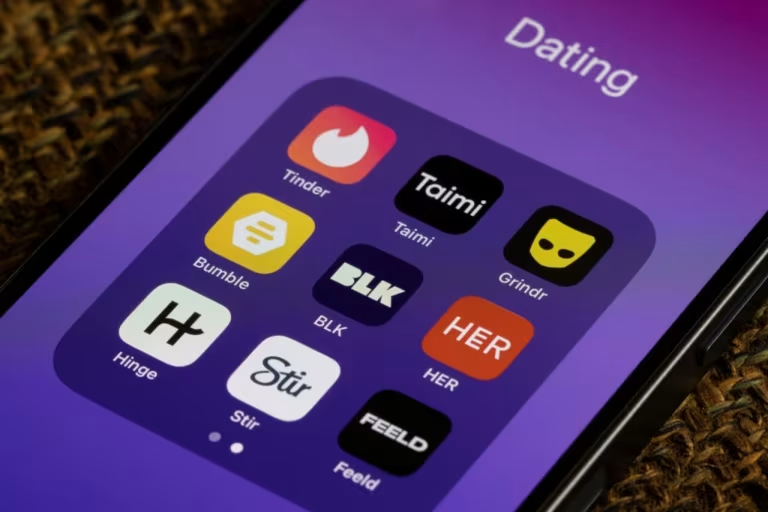
On November 2, 2026, reports described how artificial intelligence (AI) is reshaping online dating. Machine-learning feeds and generative AI writing tools are making romance feel more like office work.
AI Is Reshaping Online Dating
Artificial intelligence now plays a role on both sides of dating apps: deciding which profiles users see and helping them decide what to write. Software is shifting from background matchmaker to active participant in how people present themselves and start conversations.
This change goes beyond a single feature. Dating apps now often use machine-learning systems to curate user feeds, and several platforms have added generative AI tools for profile biographies and opening messages. Verified reporting neither names individual apps nor quantifies how many people use these tools.
More Evidence Emerges That Dating Is Becoming a Task-Driven Routine
Matching algorithms sort a stream of potential connections, while writing assistants help users prepare profile text or start a conversation. Together, these features give dating a more structured workflow: users browse a curated feed, shape a written introduction and make contact. That describes the reported design pattern, not proof that every user follows the same routine.

Industry analysts say these automated features make casual dating interactions feel more like office work. They’re describing a shift in how the process feels, not claiming dating apps have literally adopted workplace systems. When software helps choose the next profile and draft the next line, spontaneous choices can start to feel like a sequence of assigned tasks. That distinction matters. AI suggestions can help someone start writing, but they also raise a question: who’s speaking—the app user, the software or both? The available facts confirm these tools exist and that people have framed the experience as office-like; they don’t show how users respond to each feature.
The Authenticity Question Behind AI Dating Tools
Unconfirmed reports say automated messaging agents have raised concerns about authenticity in modern digital romance. The concern stems from the tool’s role: generative AI can help write the very messages meant to express interest and personality.
Verified information doesn’t show how widespread these worries are or whether users can reliably spot AI-assisted messages. Convenience and trust are in tension here. Matching tools sort profiles, while writing tools reduce the effort of composing a bio or opening line. But when people can’t tell whether a message reflects the user’s own words, the assistance may complicate an exchange’s meaning instead of simply making it easier to begin.
What’s Next for AI-Powered Dating
The next question is how dating platforms present these features and how users understand their role. The available facts don’t say whether platforms label AI-written messages, let users control automated assistance or measure its effect on conversations.
Those details could help distinguish a writing aid from a more active messaging agent. For now, the clearest evidence is the expanding set of tasks AI can support: cu. As platforms continue integGizmodo
FAQs
How are dating apps using AI?
Dating apps use machine-learning systems to curate user feeds, and several platforms offer generative AI tools to help draft profile bios and opening messages.
Why compare AI-powered dating to office work?
Industry analysts say automated features make casual dating interactions more structured and task-oriented, creating a routine that resembles office work.
What concerns have automated messaging agents raised?
They have raised concerns about authenticity in digital romance, particularly whether a message reflects the user’s own words. The available facts don’t quantify how common these concerns are.
Read Next
- Diwali 2026 Tech Gift Guide: 5 Gadgets People Will Use Long After the Festival
- Ewals Cargo Care Boosts Logistics Efficiency with WSO2 Integration
- AAGO Introduces 15W Dual USB DC Charger for Device Power
Was this article helpful?
Your feedback directly improves future articles on this site.