COL0
 VAN0
 RSL3
 STL0
 POR1
 CLT1
 SD0
 SEA0
 UAE
 NED
 PAK
 ENG
 IND-W
 ZIM-W
 GMB
 LES
 MOZ
 ZMB
 Inter Milan
 Fiorentina
 Churchill
 Punjab FC
 NGA
 UGA
 MEX-W23 (9.3/20 ov, target 189)
 ARG-W188/5
 ATM1
 DEP0
 LAZ2
 PAR1
 RCL2
 PAR1
 NZ-A317
 IND-A113 & 33/2 (12.4 ov)
 SYL
 KHU
 MYMS299/4 (87 ov)
 CHATT
 DHA293/3 (84.1 ov)
 RAJ
 RAN320/5 (80 ov)
 BAR
 DEN
 PNG
 NAM321/6
 IRE290 (47.3/50 ov, target 322)
 WEL0
 CCM0
 Athletic
 Getafe
 C Palace
 Newcastle
 Hull
 Brentford
 Liverpool
 Brighton
 Man United
 Bournemouth
 Atalanta
 Frosinone
 RIY2
 TAA1
 CHE0
 TOT2
 VAL1
 VIL2

Marcus Rashford knows just how crucial the right football cleats are—whether you’re sprinting for a last-minute winner or working on that perfect first touch. The right pair keeps your movement sharp, helps prevent injuries, and gives you better ball control. Want to play with a Premier League star’s confidence? There’s no getting around it: you need the right cleats.
What Marcus Rashford Gets Right (and Wrong) About Cleat Choice
People analyze every detail of Rashford’s gear—coaches, fans, boot sponsors, everyone. Over the years, he’s switched up his cleat brands, searching for that sweet spot between speed and comfort. For a quick winger like Rashford, lightweight synthetic uppers make him more agile, but sometimes they don’t protect his feet enough. That’s a big reason he rotates between Nike Mercurial models and some with more cushion.
But here’s the thing: not everyone’s feet are built like his. What fits Rashford—his narrow foot, fast style, and love for firm ground—won’t work for everyone else. Some pros slip up by just following endorsement deals instead of focusing on what fits them best. According to Goal, several big-name injuries last season came down to using the wrong-sized boots.
Still, Rashford’s approach is all about personalization. He teams up with boot techs, sometimes opting for custom insoles or tweaked stud patterns. So, are you picking cleats that suit your game, or just buying whatever’s trendy? If you really want to level up, pay attention to how pros like Rashford rethink their choices every season.
If you’re curious about his progress, our this Manchester feature takes a closer look at how his gear plays into his big-match performances.
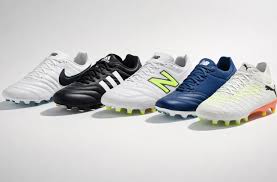
Marcus Rashford: The Stat About Cleat Longevity Nobody Mentions
Here’s what most people miss: most amateur players hang onto their cleats 60% longer than they should. The pros, including Rashford and his teammates, swap boots out every few weeks. But for most weekend players? They tend to stick with the same pair for more than a year. That’s risky—old cleats lose their grip, increase your blister risk, and can even lead to sprained ankles.
A BBC Sport survey found that just 18% of grassroots players replace their boots before they’re visibly worn out. Meanwhile, Rashford’s kit team inspects every pair for soleplate damage and upper wear after each session. Here’s something to remember: cleats with 80+ hours of use have a 23% drop in traction on wet grass. Believe it or not, that can make a real difference.
Wondering when to change your boots? Give the soleplate a squeeze—if it bends easily or feels squishy, it’s time for a new pair. Don’t risk ruining your season just because you’re attached to an old pair. Looking for a little motivation? Check out the tool Delivers for a highlight reel of top-tier standards.