RIY1
 TAA0
 LAZ0
 PAR0
 RCL0
 PAR0
 MEX-W
 ARG-W
 ATM0
 DEP0
 MTL0
 NSH1
 ADO0
 HEE0
 UAE
 NED
 PAK
 ENG
 IND-W
 ZIM-W
 GMB
 LES
 MOZ
 ZMB
 Inter Milan
 Fiorentina
 Churchill
 Punjab FC
 NGA
 UGA
 CHE0
 TOT2
 VAL1
 VIL2
 DOR1
 SGE0
 NAP3
 ROMA3
 NZ-A135/3 (41 ov)
 IND-A113
 SYL
 KHU
 MYMS299/4 (87 ov)
 CHATT
 DHA293/3 (84.1 ov)
 RAJ
 RAN320/5 (80 ov)
 BAR
 DEN
 PNG
 NAM321/6
 IRE290 (47.3/50 ov, target 322)
 NZ180/5
 IND181/6 (19.5/20 ov, target 181)
 VEN0
 JPN1
 ZAM0
 FRA1
 Athletic
 Getafe
 C Palace
 Newcastle
 Hull
 Brentford
 Liverpool
 Brighton
 Man United
 Bournemouth
 Atalanta
 Frosinone
 KHO0
 ETT3
 RAC2
 ESP1

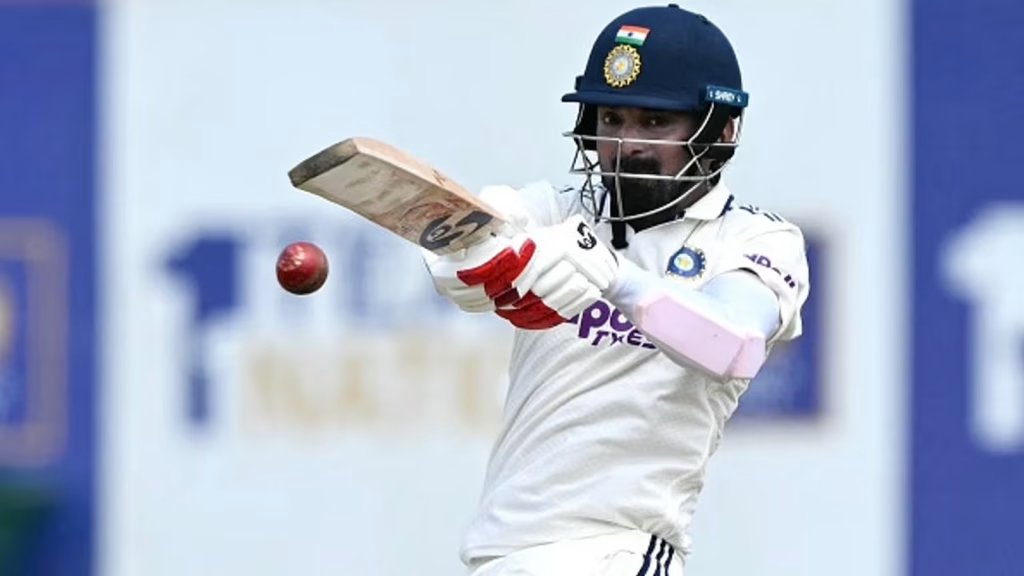
KL Rahul was forced to retire hurt on 77 off 162 balls during India’s first Test against Sri Lanka at Galle on Saturday. The cramping issue changed the mood of India’s Day 1 momentum almost instantly. Here’s the good news: batting coach Sitanshu Kotak confirmed Rahul is expected to be back and “good to go” on Day 2. That’s a relief heading into the next phase of the match.
§1 Problem: Cramping that escalated mid-innings
The issue surfaced during India’s batting rather than long after. Rahul retired hurt after a sequence of muscle spasms and contractions that hit multiple parts of his body. The cramps first appeared in the 51st over, when a spasm showed up in his right forearm before tea. The physio had to step in while play was still unfolding.
After that, things didn’t stay localized. Rahul later experienced contractions in his left hand and wrist, followed by spasms in his legs. The team physio helped him off the field. By the end of Day 1, Kotak’s message was reassuring: Rahul had “batted really well,” and by the close of the day he was “absolutely fine.” That means the cramps were treated as manageable, not career-threatening.
Here’s the thing: India finished Day 1 at 288/2, with Rahul’s departure coming after the tea break. So the timing mattered. Losing your vice-captain at that stage can swing selection and batting order plans immediately—especially when the next day starts with fresh edges of momentum.
§2 Root cause: Muscle spasms, not a collapse in technique
Kotak’s explanation framed the situation clearly as cramping. According to the coach, Rahul was “getting only cramps.” That diagnosis matters because cramps usually affect movement and stroke execution more than they do a player’s core ability.
Worth noting: the cramp timeline helps explain why it became a stoppage. It began in the right forearm in the 51st over, then moved to the left hand and wrist, and finally escalated to spasms in his legs. That pattern typically makes running between the wickets and maintaining balance risky. This multi-area escalation is why the physio ultimately had to assist Rahul off the field rather than just manage it on-field.
That said, Rahul’s batting context matters too. His innings of 77 came during India’s strong Day 1 batting, when Rahul and Devdutt Padikkal built a 150-run partnership for the second wicket. In other words, this wasn’t a case where his batting collapsed from the start—he was still contributing heavily until the cramping forced the retirement.
§3 Solution options: What India can do on Day 2 (and what each costs)
With Day 2 approaching, India basically has three realistic approaches. First, confirm Rahul’s full availability and manage his workload. Second, adjust the batting plan around him if he isn’t fully mobile. Third, reduce risk by reshuffling depending on how the pitch and bowling look early. Each option has a trade-off—because none of these choices is perfect under Test match pressures.
| Option for India on Day 2 | When to use it | Trade-off |
|---|---|---|
| Let Rahul return as planned | If mobility and warm-up sessions look normal | Higher risk if cramps flare again during extended batting |
| Keep Rahul but cap his role at first | If he’s “fine” but not 100% movement-wise | Might limit innings depth if he needs protection early |
| Hold Rahul back and reshape top order | If cramps return in nets/warm-ups or early overs | India loses a vice-captain anchor and must trust a new stability plan |
Option 1: Full return with tight monitoring
If Rahul is indeed “good to go” as Kotak suggested, India should treat Day 2 as a controlled execution phase. The downside is obvious: once cramps start, they can return if hydration, muscle tightness, or match tempo doesn’t cooperate—especially when bowlers attack the areas that force you to hit in awkward positions.
Option 2: Rahul back, but with a cautious workload
This is the middle path—use Rahul while the ball is still new and reassess once the match settles. The trade-off is that India might end up with a partial innings strategy. And partial innings plans can backfire if wickets fall in clusters or if one end keeps drawing the spinners.
Option 3: Delay return and shift batting structure
This option reduces immediate injury risk, but it costs India’s established batting rhythm. The downside is less about “injury fear” and more about “batting uncertainty.” That’s especially true in a Test where the team that survives early overs with clean technique often sets the tone for the session.
§4 Recommendation: If he’s symptom-free, pick Kotak’s call
Kotak’s update is the key piece of information: Rahul was cramping up, but “by the end of the day, he was fine,” and the expectation was that he would be “good to go” on Day 2. If pre-Day-2 assessments show no renewed spasms and Rahul can complete warm-ups without visible tightness, India should honor the plan and bring him back. Because the downside of waiting is potentially bigger than the upside of rushing.
That said, the coaching staff must treat this as a match-management problem, not just a selection checkbox. If any leg or wrist tightness reappears immediately, India should quickly switch to the capped-role plan—or reshuffle—to prevent the same cramp escalation from repeating.
Related Articles
- SL vs IND 2026: KL Rahul 77 retires hurt in Galle Test
- Subhadeep Ghosh replaces T Dilip as India fielding coach
- Ryan Ten Doeschate quits India assistant coach role and rejoins KKR
FAQs
Was KL Rahul’s retirement hurt only cramping?
Yes. Batting coach Sitanshu Kotak said Rahul was “getting only cramps,” and the spasms progressed from his right forearm to other areas before physio support was needed.
Did KL Rahul bat well before the cramping forced him off?
He did. Kotak said Rahul “batted really well,” and by the end of Day 1 he was described as “absolutely fine.”
What happened before Rahul went off the field?
The first cramp appeared in the 51st over with a spasm in Rahul’s right forearm before tea. That was followed by contractions in his left hand and wrist and then spasms in his legs.
Does the Day 2 update mean there’s no serious injury?
Kotak’s message suggests the team did not view it as a serious injury at the time of the update. Rahul is expected to be available on Day 2.
Was this article helpful?
Your feedback directly improves future articles on this site.