UAE244/8
 NED205/7 (36.5/50 ov, target 245)
 PAK27/1 (5.5/50 ov, target 242)
 ENG241
 IND-W328/6
 ZIM-W10/0 (0.6/50 ov, target 329)
 INT0
 FIO0
 CHU2
 PFC2
 FOR0
 EXC0
 Hibernian1
 Celtic1
 NGA
 UGA
 ATH
 GET
 MEX-W
 ARG-W
 CRY
 NEW
 HUL
 BRE
 LIV
 BHA
 MAN
 BOU
 ATA
 FRO
 MOZ110/7 (19/20 ov, target 110)
 ZMB109/9
 GMB112/9
 LES109 (19.5/20 ov, target 113)
 Atlético1
 Deportivo0
 DEN
 PNG
 KENYA
 JER
 MOUNT185
 TUSK48/2 (12.4/50 ov, target 186)
 ROCKS73/4 (17/50 ov, target 287)
 EAGLE286/7
 LIMWn
 NW-W
 NCWmn
 FsWm
 SWD-W
 EPR-W
 TTN-W
 WPR-W
 BOL
 TITNS137/8 (20 ov)
 MIS
 VAG
 BRB
 MOW
 TOK
 SIKM
 NAGA
 JHK
 DELHI
 GEN
 VEN
 MON
 LILL
 Lazio2
 Parma1
 Lens2
 Paris FC1
 Al Riyadh2
 Al Taawoun1
 Chelsea0
 Spurs2
 Valencia1
 Villarreal2

Big news for Bengaluru’s massive community of tech professionals, beer lovers, and premium spirits enthusiasts — and for the entire Indian alcohol industry. In a major shift from its decades-old liquor pricing system, the Karnataka government has announced it will stop fixing retail prices of alcoholic beverages from April 2026, allowing manufacturers greater freedom to determine prices in one of India’s largest alcohol markets. EHSLeaders Chief Minister Siddaramaiah announced the sweeping reforms while presenting his record 17th state budget.
Karnataka Liquor Deregulation 2026 — Key Facts
| Detail | Info |
|---|---|
| Effective Date | April 2026 |
| Announced By | CM Siddaramaiah (Budget 2026–27) |
| Old Pricing Slabs | 16 Categories |
| New Pricing Slabs | 8 Categories |
| New Tax Model | Alcohol-in-Beverage (AIB) Based Duty |
| Excise Revenue Target FY27 | ₹45,000 Crore |
| Current Excise Revenue (Feb 2026) | ₹36,492 Crore (+12.7% YoY) |
| Technology Introduced | Blockchain Tracking + Geo-Fenced E-Locks |
| License Renewal | Auto-renewal Online — No Manual Intervention |
| Operating Hours | Distilleries & Breweries Now 24/7 |
| New Tourism Policy | “Alcobeer Tourism” — On-Premise Tasting & Sales |
What’s Actually Changing — And Why It Matters
For over 60 years, Karnataka controlled every bottle of alcohol sold in the state by fixing maximum retail prices. Manufacturers had to declare ex-factory prices, and the government set the MRP from there. Karnataka now plans to introduce an alcohol-in-beverage-based excise duty structure that taxes alcohol based on its strength and reduce pricing categories to eight from 16, while allowing producers to decide on prices.
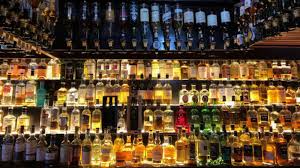
Starting April 2026, taxes will be applied based on the actual alcohol content rather than total volume — and to avoid market disruption, the transition will be carried out over the next three to four years.
Karnataka becomes the first state in India to adopt alcohol-strength-based taxation — a model largely followed in Western countries — eliminating long-standing disparities in the taxation of different alcoholic beverages.
Stocks React, Industry Cheers
Markets responded immediately and positively. United Spirits (Diageo) surged 7% to ₹1,412.9 and United Breweries rose 3.3% to ₹1,705 on March 6, 2026, reflecting investor optimism about increased pricing flexibility and margin expansion.
Karnataka is one of India’s most lucrative alcohol markets, with its large base of young professionals and multinational workforce driving demand for premium brands from global drinks makers like Diageo, Pernod Ricard, Anheuser-Busch InBev and Carlsberg.
Blockchain, E-Locks & Alcobeer Tourism
Physical escorts during dispatches will be replaced with geo-fenced e-lock systems for real-time tracking, and manufacturing licences will be auto-renewed with no manual intervention required.
Perhaps most interestingly, the government plans to promote alcohol tourism by allowing distilleries and breweries to conduct tasting sessions and sell products at their premises for visiting tourists— a move straight from the European playbook that could genuinely transform Bengaluru’s craft brewery scene into a tourist destination.
Learn more about how alcohol taxation and excise policy works across India on the Liquor laws in India Wikipedia page.
For more Karnataka policy updates, stock market reactions, and business news, read our top Indian business policy changes of 2026 on technosports.co.in and our how India’s excise policies affect FMCG stocks — full guide.