NAP3
 ROMA2
 CHE0
 TOT0
 VAL1
 VIL0
 DOR0
 SGE0
 WIL0
 CAM3
 ALV0
 FCA1
 MTL0
 NSH0
 RIY
 TAA
 LAZ
 PAR
 RCL
 PAR
 MEX-W
 ARG-W
 ATM
 DEP
 UAE
 NED
 PAK
 ENG
 IND-W
 ZIM-W
 KHO0
 ETT3
 RAC2
 ESP1
 ARS2
 EVE0
 KNGHT126/6
 MPUMA42/1 (5.3/20 ov, target 127)
 NZ-A135/3 (41 ov)
 IND-A113
 SYL
 KHU
 MYMS299/4 (87 ov)
 CHATT
 DHA293/3 (84.1 ov)
 RAJ
 RAN320/5 (80 ov)
 BAR
 GMB
 LES
 MOZ
 ZMB
 NGA
 UGA
 NAM321/6
 IRE290 (47.3/50 ov, target 322)
 NZ180/5
 IND181/6 (19.5 ov)
 BHA3
 WHU0
 Inter Milan
 Fiorentina
 Churchill
 Punjab FC
 Athletic
 Getafe
 C Palace
 Newcastle
 COV0
 FUL1
 OFC0
 NEU0
 NEOM2
 ABH0

The Japanese government banned imports of Indian mangoes on Friday, May 29, 2026. This action came after officials discovered significant lapses in pest control at key export facilities.
This trade restriction hits a vital agricultural sector hard. Japanese quarantine officials found traces of fruit flies in shipments that didn’t meet the strict sanitary standards required for entry into the country.
This situation is a big setback for Indian exporters who’ve been working hard to carve out a premium market presence in East Asia. The focus of the ban is on failures in the vapour heat treatment process, which is essential to ensure that produce is pest-free before leaving Indian soil.
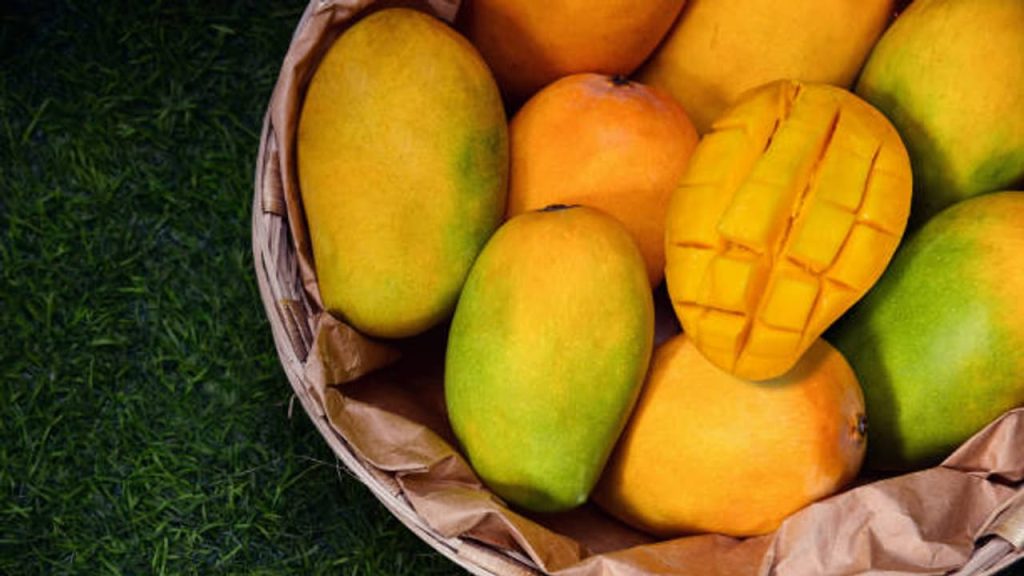
Indian Mangoes: Regulatory Failures and Quality Control Implications
The decision from Japan’s Ministry of Agriculture, Forestry and Fisheries came after a series of inspections conducted earlier this month. These audits uncovered that several export facilities failed to keep the necessary temperature consistency during the heat treatment cycle.
This failure means that the sterilization process was incomplete, posing a direct infestation risk to Japanese orchards.
To give you some perspective, the standard procedure for mango exports involves a tightly regulated environment where every batch must be documented and verified. Here’s a breakdown of the requirements currently under scrutiny:
| Requirement | Standard | Status as of May 2026 |
|---|---|---|
| Vapour Heat Treatment | 47.5°C for 20 minutes | Non-compliant at audited sites |
| Pest Inspection | Zero tolerance for larvae | Traces detected in shipments |
| Documentation | Complete audit trail | Gaps identified in logs |
The underlying issue here is the breakdown in oversight. While many farmers stick to strict protocols, lapses at the facility level have tarnished the entire supply chain’s reputation. Now, Indian authorities are scrambling to conduct an internal audit of all facilities involved in the Japan trade route to pinpoint where the systemic failure began, according to recent coverage by BBC Sport.
Market Impact and Future Trade Relations
The suspension of trade isn’t just about the fruit; it represents a significant financial hit for regional exporters who depend on the Japanese market for a big chunk of their seasonal revenue. With the harvest season in full swing, the timing couldn’t be worse for traders with inventory meant for Tokyo and Osaka.
This situation reflects ongoing challenges in other sectors, like the Harmanpreet Kaur-led India women’s cricket team, where sticking to high standards is crucial for lasting success. Just as the team must refine their batting approach during the England vs India women’s series, the agricultural sector must now revamp its quality assurance protocols.
Not everyone thinks a total ban is the right move. Some industry analysts believe a temporary suspension of specific facilities would have sufficed. However, Japanese authorities have upheld a zero-tolerance policy, citing the risk of long-term ecological damage to their domestic agriculture, as noted in recent coverage by ESPN.
Moving forward requires more than just an apology. Indian officials need to show that they’ve set up real-time monitoring systems at every export hub. Until these facilities pass a thorough re-certification process by Japanese inspectors, the market will remain closed. The coming weeks will be crucial as the government works to negotiate a path for the resumption of exports.
FAQs
Why did Japan implement this ban?
The ban came after Japanese quarantine officials discovered evidence of fruit fly larvae in shipments, pointing to improper pest-control heat treatments at Indian export facilities.
Which mango varieties are affected?
The ban affects all Indian mango shipments heading to Japan, regardless of the variety, since the issue is with the treatment process at the facilities, not the fruit itself.
How can the trade relationship be restored?
Restoration hinges on Indian authorities conducting a full audit of all export facilities, upgrading monitoring technology, and inviting Japanese agricultural inspectors to ensure that sterilization protocols are consistently met.
Why did the Japanese government implement a ban on Indian mangoes?
Japan’s government imposed the ban after finding repeated pest-control lapses and non-compliance with phytosanitary standards at Indian export facilities, posing a biosecurity risk to Japanese agriculture.
How can Indian exporters resume shipping mangoes to Japan?
Indian exporters need to work with the Agricultural and Processed Food Products Export Development Authority (APEDA) to overhaul their pest-control protocols and undergo rigorous inspections to confirm that all shipments meet the stringent safety criteria set by the Japanese Ministry of Agriculture, Forestry and Fisheries.