The war that began on February 28, 2026 when the US and Israel launched coordinated strikes on Iran has now entered a dangerous new phase. As of March 12, oil tankers are on fire in Iraqi waters, Gulf states are intercepting Iranian missiles, and Tehran has — for the first time — publicly named its terms to stop the fighting.
Table of Contents
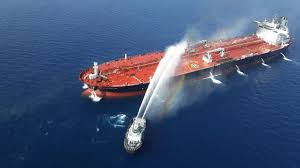
Oil Tankers Attacked Off Iraq’s Port of Basra
Two foreign oil tankers were attacked by an Iranian drone boat off the Port of Basra, Iraq, setting them ablaze and killing at least one crew member. The State Company for Iraqi Ports rescued 38 crew members from both vessels. Indian Broadcasting World
Iran claimed responsibility, stating an underwater drone “blew up two oil tankers in the Persian Gulf,” according to Iranian state broadcaster IRIB. IMDb In response, Iraq has suspended oil port operations — a significant blow to global energy supply that sent crude prices climbing.
For in-depth geopolitical and energy market analysis, read more at TechnoSports.
Tehran’s 3 Non-Negotiable Conditions for Peace
Iranian President Masoud Pezeshkian has outlined three conditions to end the war: recognition of Tehran’s legitimate rights, payment of reparations, and firm international guarantees against future aggression. Siasat Daily
These conditions reflect Iran’s strategic posture clearly — and represent a significant hardening of its diplomatic stance.
| Condition | What Iran Demands |
|---|---|
| 1. Rights Recognition | International acknowledgement of Iran’s legitimate sovereign and nuclear rights |
| 2. War Reparations | Financial compensation for damage caused by US-Israeli strikes |
| 3. Security Guarantees | Binding international assurances against future military aggression |
The Human and Economic Cost So Far
At least 1,348 civilians have been killed and over 17,000 injured in Iran since the US and Israel launched their attacks on February 28. UNICEF has described the situation as “catastrophic,” with more than 1,100 children reported injured or killed.
The Strait of Hormuz — a critical chokepoint for about 20% of the world’s daily oil supply — has seen tanker traffic drop to nearly zero since the conflict began, disrupting significant volumes of oil and LNG globally. Indian Broadcasting World
Oil prices have surged to $100 a barrel, according to reports — a figure that affects every economy on the planet.
Conflict At a Glance — March 12, 2026
| Detail | Status |
|---|---|
| War Start | February 28, 2026 (Operation Epic Fury) |
| Initiated By | United States + Israel |
| Iranian Civilian Deaths | 1,348+ |
| Civilian Injuries | 17,000+ |
| Oil Price | ~$100/barrel |
| Strait of Hormuz | Effectively closed |
| New Supreme Leader | Mojtaba Khamenei |
The 2026 Iran war began after joint US-Israeli strikes killed Supreme Leader Ali Khamenei, triggering retaliatory missile campaigns and a regional crisis with no clear resolution in sight.
FAQs
Q: What are Iran’s three conditions to end the war as of March 12, 2026?
Iran’s President Pezeshkian has stated Tehran will consider peace only if the international community recognises its legitimate rights, pays war reparations, and provides firm guarantees against any future military aggression.
Q: Why did Iraq shut down oil port operations on March 12, 2026?
Iraq suspended operations at its oil ports after two foreign tankers were attacked and set ablaze by Iranian drone boats off the Port of Basra, killing at least one crew member and prompting a major regional security response.