UAE168/3 (37.5/50 ov)
 NED
NED PAK
PAK ENG7/1 (2.2/50 ov)
 IND-W
IND-W ZIM-W
ZIM-W GMB
GMB LES
LES MOZ
MOZ ZMB
ZMB Inter Milan
 Fiorentina
 Churchill
 Punjab FC
 NGA
NGA UGA
UGA Athletic
 Getafe
 MEX-W
MEX-W ARG-W
ARG-W ATM1
ATM1 DEP0
DEP0 LAZ2
LAZ2 PAR1
PAR1 RCL2
RCL2 PAR1
PAR1 MOUNT6/0 (4.5/50 ov)
 TUSK
TUSK ROCKS
ROCKS EAGLE65/0 (8.4/50 ov)
 NZ-A317
 IND-A113 & 106/2 (36 ov)
 SYL
SYL KHU
KHU MYMS299/4 (87 ov)
 CHATT
CHATT DHA293/3 (84.1 ov)
 RAJ
RAJ RAN320/5 (80 ov)
 BAR
BAR BOL
BOL TITNS
TITNS EASTN
EASTN SA-EM
SA-EM KZNIN
KZNIN WPR
WPR NAM321/6
 IRE290 (47.3/50 ov, target 322)
 C Palace
 Newcastle
 Hull
Hull Brentford
 Liverpool
 Brighton
 Man United
 Bournemouth
 Atalanta
 Frosinone
 RIY2
RIY2 TAA1
TAA1 CHE0
CHE0 TOT2
TOT2 VAL1
VAL1 VIL2
VIL2
The World Cup 2026 is already generating major headlines off the pitch, as political tensions between the United States and Iran spilled into the tournament’s logistics. Following a thrilling 2-2 draw with New Zealand at SoFi Stadium in Los Angeles, the Iranian national team claims they were unexpectedly ordered to leave the United States immediately and return to their training base in Mexico.
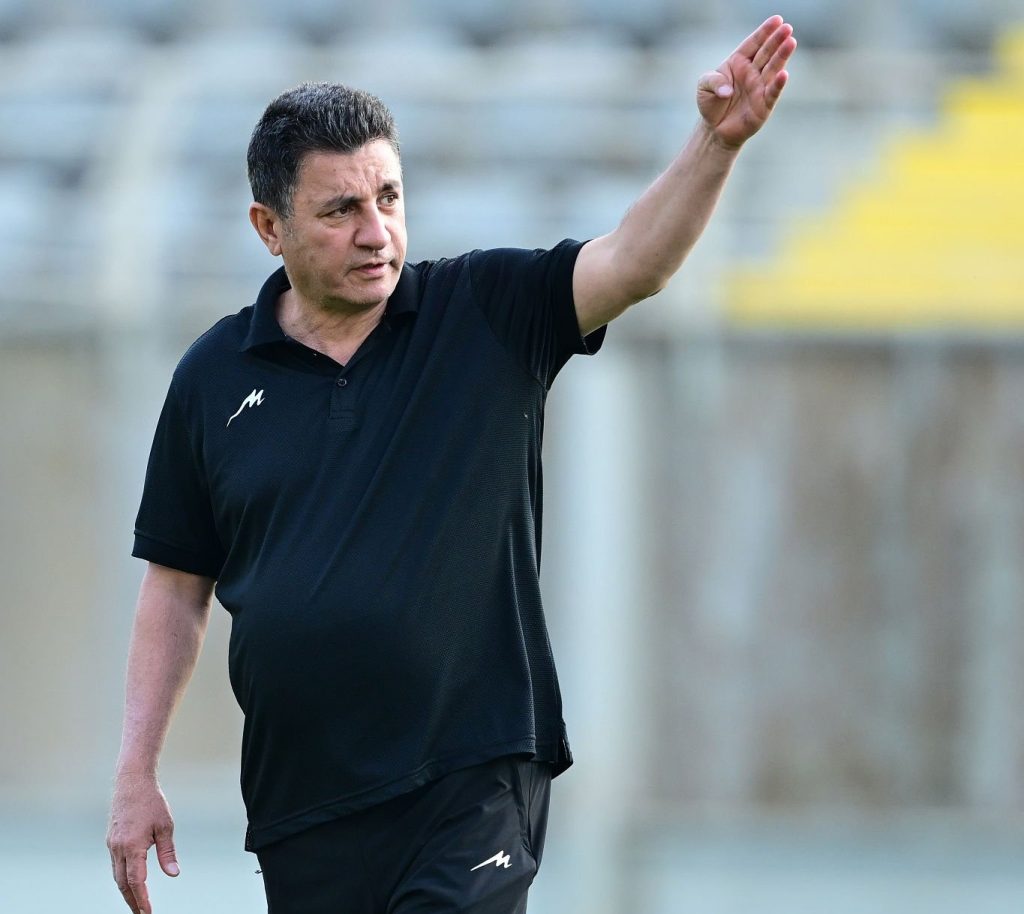
The abrupt departure has sparked outrage within the Iranian camp, with head coach Amir Ghalenoei branding his squad as the “most oppressed team in the whole World Cup” due to ongoing travel chaos, denied visas, and what players described as a lack of support from FIFA.
The Immediate Eviction from Los Angeles
Iran’s Group G opener against New Zealand was highly anticipated, taking place in a city with a massive Iranian-American diaspora and occurring just a day after a preliminary peace deal ended recent military conflicts between the U.S. and Iran.
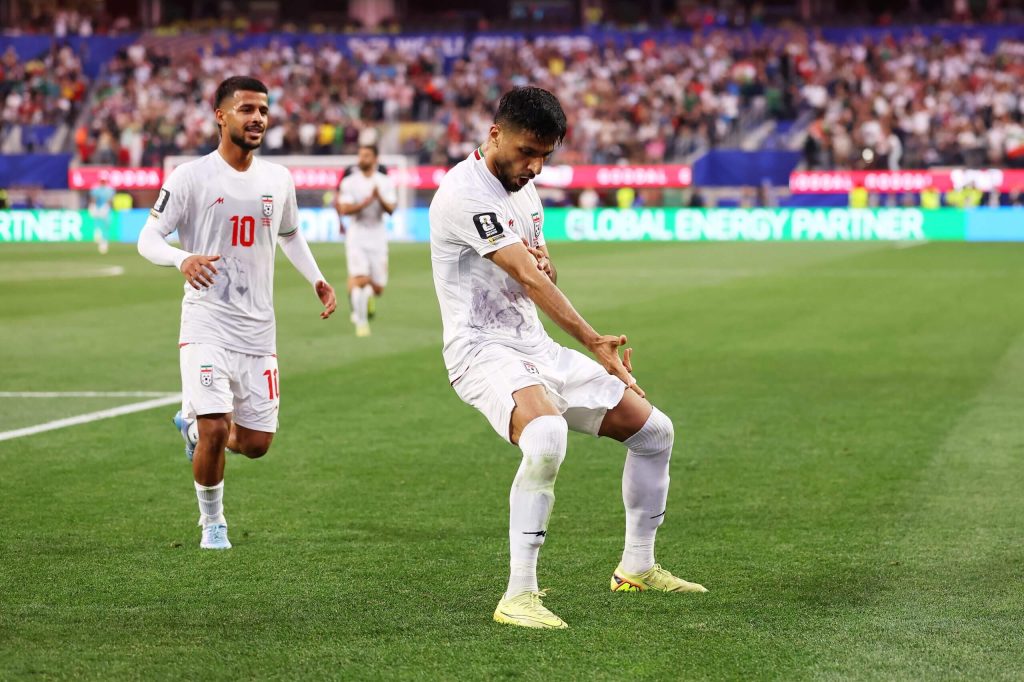
Despite the 2-2 result on the pitch, the real drama began after the final whistle. According to Iranian officials, the team had originally planned to spend Monday night at a hotel in California to prioritize player recovery. Instead, they were instructed to board a flight at 11:00 p.m. local time from Los Angeles International Airport and make the 140-mile journey back to their base camp in Tijuana, Mexico.
“They didn’t even give us time to recover,” head coach Amir Ghalenoei told reporters through an interpreter. “After the game today, they said to us, ‘You have to leave immediately.’ It’s very important for us to have time for recovery, but we are asked to get on a plane and return to our camp in Tijuana, and we are really troubled by that.”
Ghalenoei stated he did not know exactly who issued the order to leave, but he expressed extreme frustration over the situation. “We don’t know why they’re returning us. It’s very strange. It seems like others are doing the planning for us. The decision-making for us is being made elsewhere.”
A Tournament Marred by Logistical Chaos
The sudden departure from Los Angeles is just the latest in a series of severe logistical nightmares for the Iranian squad.
Months prior to the tournament, the Iranian Football Federation planned to set up their permanent World Cup base camp in Tucson, Arizona. However, due to the outbreak of military conflict between the U.S. and Iran in February 2026, the team was forced to relocate their base across the border to Tijuana, Mexico, out of fear of immigration issues.
Those fears proved to be entirely justified. According to reports, at least 11 members of Iran’s non-playing support staff—including coaching personnel, media officials, and the president of Iran’s football federation, Mehdi Taj—were denied visas to enter the United States.
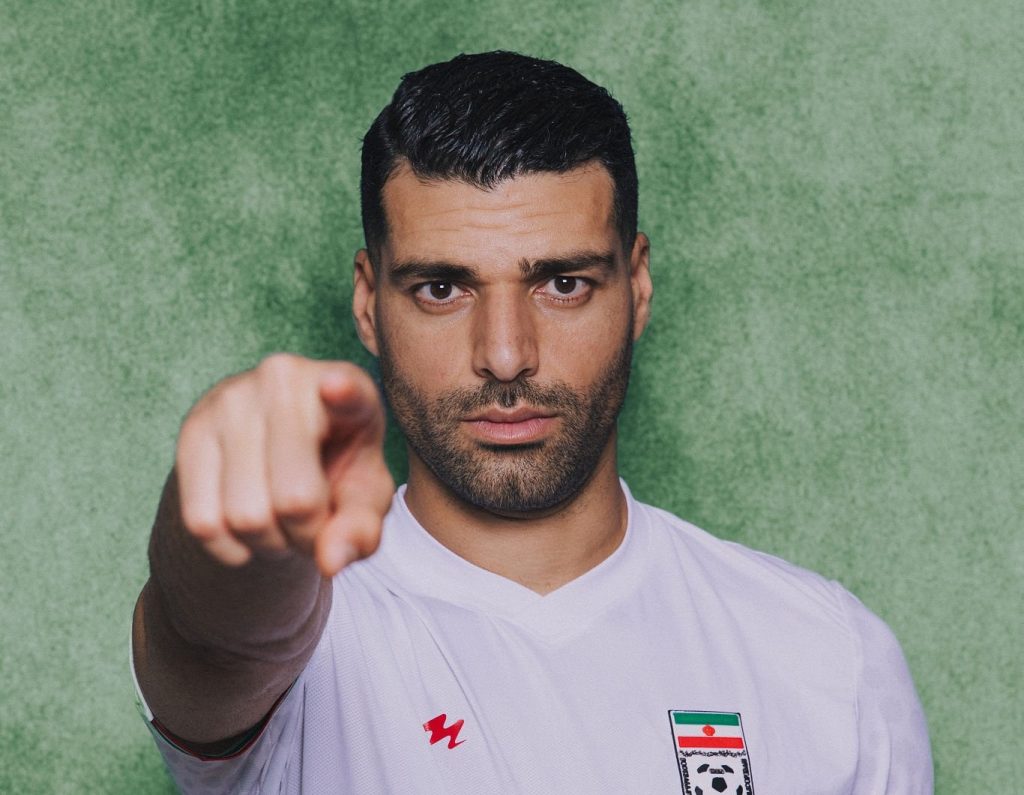
Because their base is in Mexico while their Group G matches are located in the U.S., the players must cross the border for every game. Iranian captain Mehdi Taremi revealed that the team endured five grueling hours of travel and intense security checks just to make the short trip from Tijuana to Los Angeles the day before the match.
“We had to deal with those roles ourselves,” Ghalenoei said regarding the missing staff members. “Our federation isn’t here, our media isn’t here, our management isn’t here. That’s why I think our team is perhaps the most oppressed in the World Cup.”
Players Speak Out: “Everything is Like a Disaster”
The physical and mental toll of the chaotic travel arrangements was evident during the match against New Zealand, with several Iranian players suffering from severe muscle cramps.
Captain Mehdi Taremi did not mince his words when discussing the team’s treatment. “Everything is like a disaster, actually, for us,” the forward stated. “It’s so bad and it affects our team and we just want peace. In the World Cup, you have to prepare well for the next game, which is a lot of stress for the players and the staff and everyone. But we don’t have that support and FIFA have to help us more than this.”
Following the match, FIFA President Gianni Infantino visited the Iranian locker room. While a video circulated online showing Infantino exchanging words with Ghalenoei through a translator—praising the team by saying “You are stronger than everything”—the players publicly urged FIFA to take concrete action to improve their logistical situation.
Looking Ahead to the Next Match
Despite the incredibly difficult circumstances, Iran showed immense character on the pitch, coming from behind twice to secure a 2-2 draw against New Zealand thanks to goals from Ramin Rezaeian and Mohammad Mohebbi.
However, the travel chaos remains a looming threat over their campaign. Iran is scheduled to play their second Group G match against Belgium on Sunday, June 21, and their final group match against Egypt on June 25. Both of those matches will also take place in the United States (at SoFi Stadium in Los Angeles and Levi’s Stadium in the Bay Area, respectively).
Unless a diplomatic or logistical intervention occurs, the Iranian squad will be forced to continue their grueling routine of cross-border travel, intense security checks, and immediate evictions following the final whistle. As Ghalenoei summarized: “They are making the situation more and more difficult, more hurdles, but we’re not going to let that stop us from doing our best.”
Read More: FIFA Proposes Israel vs Palestine to Open Inaugural Under-15 Football Festival