SA329 (82.3 ov)
 AUS
AUS SAS2
SAS2 LAZ5
LAZ5 ALS1
ALS1 HIL1
HIL1 ROMA
ROMA CAG
CAG TOR
TOR COMO
COMO BAN
BAN WI
WI IND-W
IND-W ZIM-W
ZIM-W GOA
GOA SC Delhi
 Milan
Milan Bologna
 Parma
Parma Udinese
 Venezia
 Inter Milan
 AFG177
 ZIM140 (19.1/20 ov, target 178)
 ABH0
ABH0 ALF1
ALF1 PAK110
 SL114/2 (18.1/50 ov, target 111)
 NAM316/7
 IRE253 (44.5/50 ov, target 317)
 SIKM184
 NAGA187 & 46/4 (34 ov)
 JHK131/4 (47 ov)
 DELHI515/5d
 ODSA194
 SVCS13/0 (5 ov)
 BRODA616
 J & K6/0 (4 ov)
 CHD685/5d
 HP49/0 (14 ov)
 CGR216/8 (95 ov)
 AP231
AP231 HYD193/2 (54 ov)
 PNJB431
 KNTKA297/7 (95 ov)
 TPURA194
 KER101/6 (35 ov)
 BENG350
 MAHA278/9 (100 ov)
 GUJ223
 MNPR364
 ARP111 & 95/2 (36 ov)
 UAE
UAE OMA
OMA AUCK
AUCK CANT
CANT CD
CD ND
ND DEN
DEN QAT
QAT KENYA
KENYA KUW
KUW POA
POA SPR
SPR NZ198/3
 IND199/4 (13.2/20 ov, target 199)
 NED371/5
 JAB113 (19.3/20 ov, target 133)
 KAY132/9
 BOC2
BOC2 M050
M050 CUA0
CUA0 GIR2
GIR2 EXC1
EXC1 ADO0
ADO0 APN1
APN1 ELC1
ELC1 CF 0
CF 0 CEE1
CEE1 SES2
SES2 ESP1
ESP1 AIK1
AIK1 ELF1
ELF1 BEN0
BEN0 CAT0
CAT0 WIM0
WIM0 ARS0
ARS0 SHO0
SHO0 ALH1
ALH1 Genoa
Genoa Juventus
 Monza
Monza Napoli
 Sevilla2
 Osasuna0
 PSG2
PSG2 Lyon0
Lyon0 Mohun Bagan1
 Chennaiyin0
 SAA2
SAA2 EST0
EST0 BEI2
BEI2 JHM2
JHM2
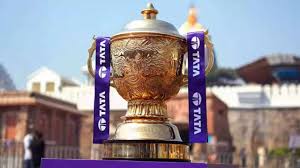
IPL 2026 is pushing into new territory. The Board of Control for Cricket in India (BCCI) has finalized structural reforms that’ll reshape how the tournament plays out. As the season rolls along in late March 2026, franchises are adapting to new player retention rules, revised auction budgets, and an expanded playoff format. The league’s 19th edition marks a real turning point—moving away from pure entertainment toward actual competitive balance.
IPL 2026 Retention Rules Overhaul
The BCCI bumped the retention cap to five players this year, up from three previously. That gave teams a chance to keep their best talent while still welcoming newcomers. Mumbai Indians held onto Rohit Sharma and Jasprit Bumrah but let go of several supporting players—a move most franchises copied.
Each team’s auction purse jumped to ₹120 crore, a 20% bump from 2025. Chennai Super Kings spent big—₹18.5 crore on England all-rounder Sam Curran, making him the second-highest paid player in the tournament. Looking at IPL auction history, you’ll see this shift toward premium all-rounders started in 2024 but really took off this year.
Breakout Players Dominating Early Matches
Three Indian talents are turning heads right now. Tilak Varma at Mumbai’s averaging 68 through four matches with two centuries already. Punjab’s Shubman Gill tops the run-scorers list with 312 runs at a blistering strike rate of 154. Then there’s Rajasthan’s Avesh Khan—he grabbed 11 wickets in just the opening week, per CricInfo.
The overseas players? Mixed bag so far. Australian keeper Josh Inglis at Royal Challengers Bangalore had a rocky start but then smashed 94 off 52 balls against Kolkata. South African pace spearhead Kagiso Rabada with Delhi Capitals is leading the bowling charts with 14 wickets.
Why the IPL 2026 Playoff Format Changed
Here’s the big structural shift: the tournament now uses a six-team playoff system instead of the old top-four format. Teams finishing third through sixth get eliminator matchups, which stretches the season another four days. The BCCI pointed to revenue potential and competitive balance as the main reasons.
Not everyone’s happy, though. Former captain Virat Kohli told ESPN the change “rewards mediocrity” by letting teams with losing records into the playoffs. But franchises outside the traditional big names—especially newer ones like Gujarat and Lucknow—see it differently. They’re thrilled to have a legitimate shot at the knockouts.
So here’s what matters: Does letting more teams into the playoffs actually get fans more excited, or does it weaken the regular season? Early numbers from Star Sports suggest the first option’s winning. Eliminator matches are pulling in 15% higher ratings than comparable regular-season games from 2025.