The next time you pull out a ₹10 or ₹20 note, it might feel a little different — literally. The Reserve Bank of India (RBI) has revived the idea of printing polymer banknotes for circulation to meet the surge in demand for currency notes in recent years. The issue was discussed in the last two board meetings of the central bank, held in Patna and Mumbai, and a pilot project involving plastic banknotes for public use is expected to be announced soon.
This isn’t a new idea. India has been flirting with polymer notes since at least 2012. The difference this time? The technology has caught up — and the numbers make it impossible to ignore.
Table of Contents
Why Is RBI Doing This Now?
The economics of paper currency are becoming painful. The expenditure on printing currency notes during FY25 was ₹6,372.8 crore, up from ₹5,101.4 crore the previous year, mainly due to increased demand for banknotes.
And it’s not just the printing cost. 23.8 billion pieces of soiled banknotes were disposed of in FY25, rising 12.3 per cent from 21.24 billion pieces the previous year. Most soiled notes were of the ₹500 denomination, followed by ₹100 banknotes.
Lower denomination notes such as ₹10 and ₹20 exchange hands frequently in buses, markets, tea stalls and rural transactions, causing them to wear out quickly and require constant replacement.
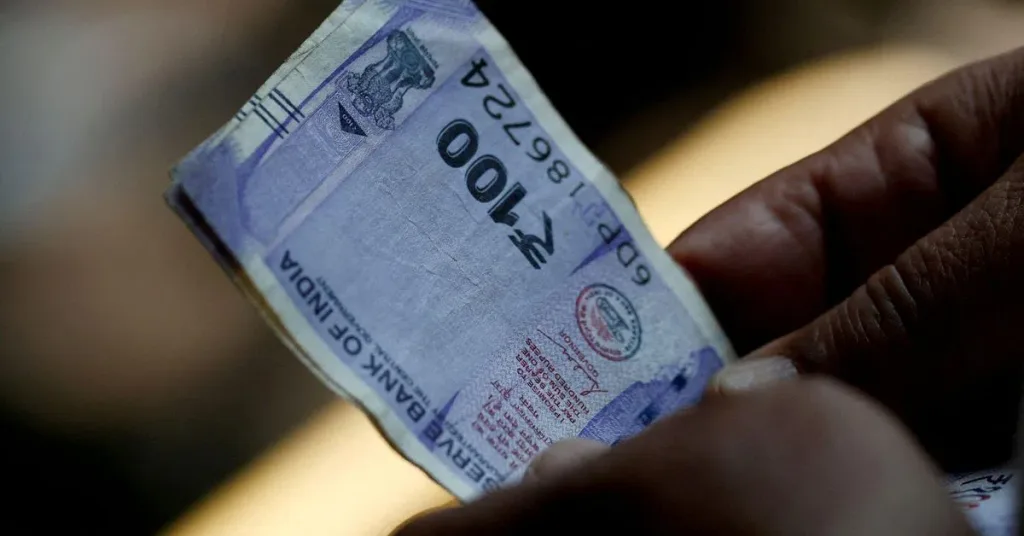
What Exactly Are Polymer Banknotes?
Polymer banknotes are currency notes made from a thin, flexible plastic substrate called polymer, instead of the cotton-based paper used in traditional banknotes. They look and fold just like regular notes — but they’re far tougher. Business Standard
Global studies suggest polymer notes can last between 2.5 and 5 times longer than ordinary paper currency. They also allow the integration of advanced security features such as transparent windows, holograms, colour-shifting inks, metallic strips and tactile printing, making counterfeiting significantly harder. The Logical Indian
Learn more about the history and global adoption of polymer banknotes on Wikipedia.
| Detail | Info |
|---|---|
| Proposed denominations for pilot | ₹10 and ₹20 |
| FY25 currency printing cost | ₹6,372.8 crore |
| Soiled notes destroyed in FY25 | 23.8 billion pieces |
| Currency in circulation (May 2026) | ₹42.86 trillion (record high) |
| Countries already using polymer notes | Australia, Canada, UK, Singapore, New Zealand |
| India’s previous pilot attempt | 2012 — shelved due to ATM compatibility issues |
| Current ATM compatibility | Resolved — modern ATMs can now handle polymer notes |
What Stopped It Before?
India had previously tested polymer notes in 2012 with a pilot project for ₹10 notes across select cities, but the initiative was shelved due to technical constraints — particularly difficulties related to handling the notes and ATM incompatibility. Those technological limitations have since been addressed, and modern currency-processing systems are now capable of handling polymer notes more effectively.
What Comes Next?
The RBI is expected to begin with a limited pilot project. Lower denomination notes such as ₹10 and ₹20 are likely to be tested first, as these circulate more frequently and wear out faster. A wider rollout, if approved, would happen gradually and depend on the outcome of the pilot, operational feasibility and public acceptance.
For more on India’s evolving economy and banking reforms, follow our RBI and Indian economy coverage on TechnoSports and check our Indian banking news hub.
FAQs
Q: Which denomination will India’s polymer banknote pilot start with?
The RBI is expected to begin the pilot with ₹10 and ₹20 notes, as these low-denomination notes are handled most frequently and wear out fastest in circulation.
Q: Are polymer banknotes better than paper notes?
Yes — polymer notes last 2.5 to 5 times longer, are water-resistant, harder to counterfeit, and ultimately cheaper for the central bank to manage over time despite a higher upfront cost.