NZ
NZ IND
IND NAM
NAM IRE
IRE MOZ
MOZ UGA
UGA Aston Villa
 Man City
 Rayo
Rayo Elche
Elche GMB
GMB ZMB
ZMB NGA
NGA LES
LES Cagliari
 Bologna
 IPS1
IPS1 NFO1
NFO1 ALA1
ALA1 MCF1
MCF1 TOR3
TOR3 MON2
MON2 BRE1
BRE1 NICE2
NICE2 TAS67/4 (15.4/50 ov, target 305)
 VIC304/7
 NZ-A135/3 (41 ov)
 IND-A113
 DHA
DHA RAJ
RAJ MYMS
MYMS CHATT
CHATT RAN
RAN BAR
BAR SYL
SYL KHU
KHU UAE
UAE NED
NED PAK
PAK ENG
ENG IND-W
IND-W ZIM-W
ZIM-W AFG170/3 (34.3/50 ov, target 170)
 ZIM169
 DOLPH56/0 (3.5/8 ov, target 56)
 SWD51/4 (8/8 ov)
 WSW1
WSW1 BRI1
BRI1 Como
Como Sassuolo
 Augsburg
 Union Berlin
 Cologne
 Schalke
 Mainz
Mainz Bremen
 RB Leipzig
 Elversberg
 VFB2
VFB2 BMG3
BMG3 AHL4
AHL4 KHA1
KHA1
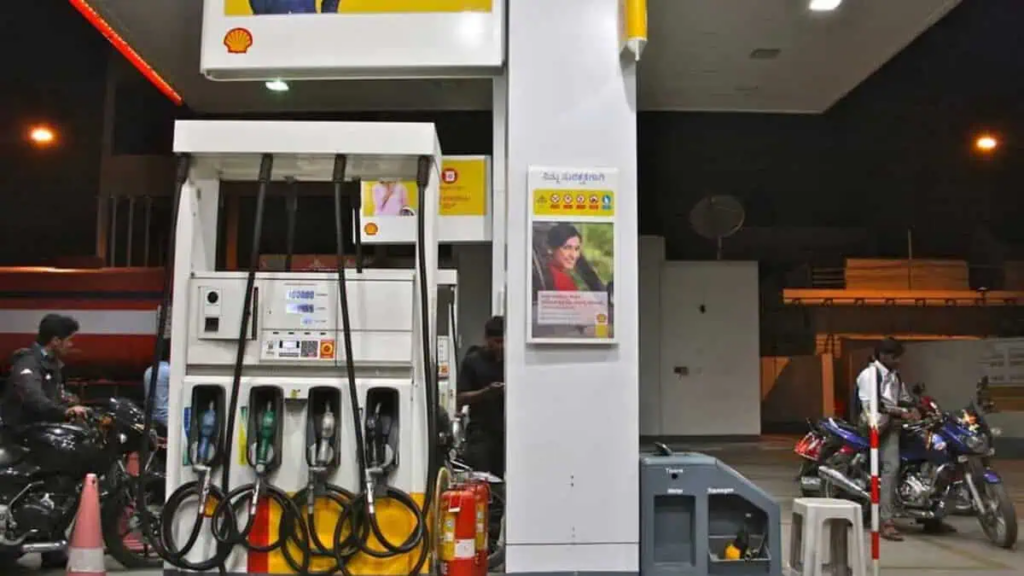
India just achieved a remarkable milestone. The country’s petrol pump network has crossed the 1,00,266 mark as of November 2024, doubling from around 50,000 outlets in 2015. This explosive growth makes India the world’s third-largest fuel retail network, trailing only the United States and China.
India’s Fuel Network by Numbers
| Category | Details |
|---|---|
| Total Petrol Pumps | 1,00,266 (as of November 2024) |
| Global Ranking | 3rd (after USA and China) |
| Growth Rate | Doubled in 10 years (2015-2024) |
| State-Owned Share | Over 90% |
| Rural Outlets | 29% (up from 22% in 2015) |
| Top Operator | Indian Oil Corporation (41,664 outlets) |
| Private Leader | Nayara Energy (6,921 outlets) |
Who’s Leading the Charge?
State-owned companies dominate India’s fuel retail landscape, with over 90% of pumps operated by public sector giants. Indian Oil Corporation leads with 41,664 outlets, followed by Bharat Petroleum (24,605 stations) and Hindustan Petroleum (24,418 outlets).
Among private players, Russia’s Rosneft-backed Nayara Energy operates 6,921 outlets, making it the largest private fuel retailer. The Reliance-BP joint venture follows with 2,114 stations.
Rural India Gets Connected
Perhaps the most significant change is geographic. Rural outlets now account for almost 29% of total pumps, up from 22% a decade ago. This expansion has pushed fuel access deeper into countryside and highway corridors, matching India’s vehicle ownership boom.
For sports enthusiasts and road trip lovers, this means more convenience on long drives to tournaments and adventure destinations. Check out how improved infrastructure is changing India’s sports landscape.
More Than Just Fuel
Today’s petrol pumps aren’t just dispensing petrol and diesel. Modern outlets have undergone transformation, now selling alternative fuels like CNG and hosting EV charging stations alongside regular dispensers. These multi-energy hubs reflect India’s transition toward cleaner mobility solutions.
How We Compare Globally
While India’s network is impressive, there’s context to consider. The US leads with approximately 1,96,643 retail gas stations, while China has around 1,15,228 outlets. However, both countries have significantly larger geographical areas than India, making India’s density quite remarkable.
According to India’s Petroleum Planning & Analysis Cell, this aggressive expansion was driven by state-owned retailers defending market share while meeting surging fuel demand from India’s growing vehicle fleet.
What’s Driving This Growth?
The doubling of outlets stems from multiple factors: booming vehicle ownership, strategic rural expansion, highway corridor development, and competition among fuel retailers. The government’s push for energy accessibility in remote areas has also played a crucial role.
This infrastructure boom creates opportunities for entrepreneurs and supports India’s mobility revolution, making fuel accessible from Kashmir to Kanyakumari.
FAQs
Q: Which company has the most petrol pumps in India?
Q: Are private companies also opening petrol pumps in India?
Yes, but private participation remains limited. Nayara Energy leads private retailers with 6,921 outlets, followed by Reliance-BP with 2,114 stations. However, over 90% of pumps are still operated by state-owned companies due to government pricing controls.