UAE244/8
 NED164/5 (28.5/50 ov, target 245)
 PAK
PAK ENG241 (46.4/50 ov)
 IND-W318/6 (49.1/50 ov)
 ZIM-W
ZIM-W MOZ
MOZ ZMB
ZMB FOR0
FOR0 EXC0
EXC0 INT
INT FIO
FIO CHU
CHU PFC
PFC NGA
NGA UGA
UGA ATH
ATH GET
GET MEX-W
MEX-W ARG-W
ARG-W CRY
CRY NEW
NEW HUL
HUL BRE
BRE LIV
LIV BHA
BHA GMB112/9
 LES109 (19.5/20 ov, target 113)
 Atlético1
 Deportivo0
 Lazio2
 Parma1
 DEN
DEN PNG
PNG KENYA
KENYA JER
JER MOUNT185
 TUSK19/0 (4.5/50 ov, target 186)
 ROCKS35/3 (8.3/50 ov, target 287)
 EAGLE286/7
 LIMWn
LIMWn NW-W
NW-W NCWmn
NCWmn FsWm
FsWm SWD-W
SWD-W EPR-W
EPR-W TTN-W
TTN-W WPR-W
WPR-W SIKM
SIKM NAGA
NAGA JHK
JHK DELHI
DELHI ODSA
ODSA SVCS
SVCS CGR
CGR AP
AP BRODA
BRODA J & K
J & K CHD
CHD HP
HP MAN
MAN BOU
BOU ATA
ATA FRO
FRO Lens2
Lens2 Paris FC1
 Al Riyadh2
 Al Taawoun1
 Chelsea0
 Spurs2
 Valencia1
 Villarreal2
India’s electronics manufacturing sector just hit a sustainability milestone. A new zero-waste smartphone factory powered entirely by solar energy launched operations this month, marking the country’s first large-scale attempt at carbon-neutral mobile device production. The facility, located in Tamil Nadu, aims to produce 500,000 units annually while eliminating landfill waste through circular manufacturing processes.
This shift matters because India generates over 29.8 million tonnes of e-waste yearly, yet only 5% gets properly recycled. The plant’s model could reshape how domestic OEMs approach manufacturing, especially as consumer demand for sustainable tech grows across urban markets where latest tech news increasingly covers environmental impact.
Why Green Manufacturing Is Becoming Non-Negotiable
The Indian smartphone market has matured past pure price competition. Consumers—particularly in metros like Bangalore, Mumbai, and Delhi—now factor sustainability into purchase decisions. Recent surveys show 62% of Indian tech buyers consider environmental credentials when choosing brands, up from just 28% three years ago.
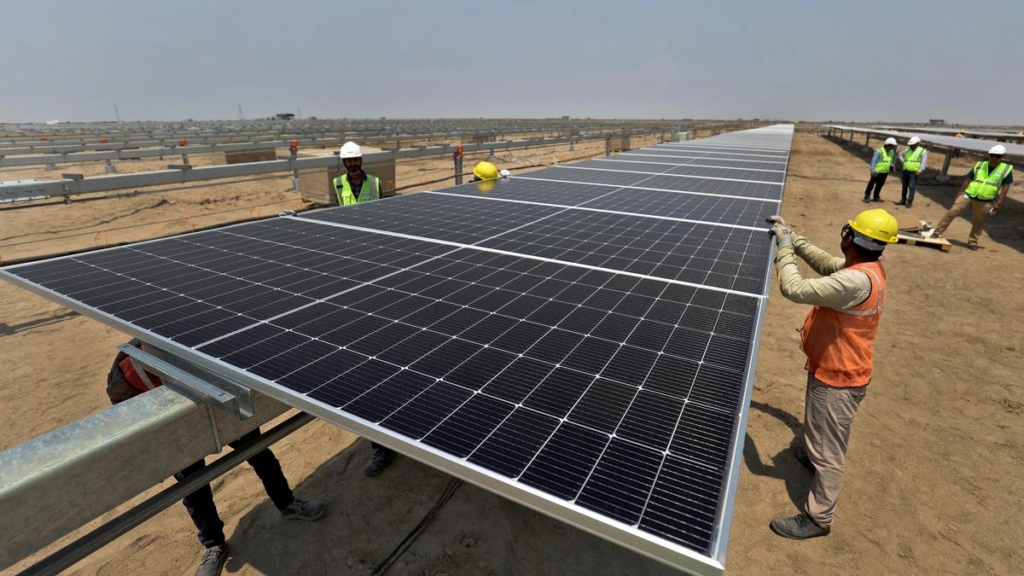
This new facility addresses that gap directly. The plant uses 100% renewable solar power with a 2.5 MW rooftop array, reducing operational carbon emissions by an estimated 1,200 tonnes annually. Battery recycling happens on-site, recovering 95% of lithium and cobalt from used cells. That’s not just marketing—it’s measurable impact that justifies the premium pricing these eco-conscious devices command.

The Manufacturing Process: Solar Power Meets Zero-Waste Assembly
Here’s what sets this plant apart from traditional factories. The facility operates on a closed-loop system where production waste becomes raw material for next-generation devices. Component assembly happens under LED lighting powered by solar batteries, eliminating grid dependency during peak manufacturing hours.
Water usage drops by 78% compared to conventional plants through rainwater harvesting and wastewater recycling. The facility produces devices starting at ₹18,999 for the base model, with mid-range variants hitting ₹34,999 and premium models at ₹52,999—pricing that undercuts comparable eco-certified imports by 15-20%. Amazon India lists these units with a 3-year warranty, though availability remains limited to select cities initially.
Device Specifications and Real-World Performance
The flagship model packs a Snapdragon 8 Gen 3 Leading Version processor, 12GB LPDDR5X RAM, and 256GB UFS 4.0 storage. Camera setup includes a 50MP main sensor with OIS, 12MP ultra-wide, and 10MP 3x telephoto. Battery capacity sits at 5,100mAh with 67W fast charging, delivering 18 hours of typical use.
The display is a 6.7-inch AMOLED panel running 2400×1080 resolution at 120Hz refresh rate. What matters: this isn’t a compromised “eco” phone. Performance benchmarks show AnTuTu scores around 1.4 million, matching flagship competitors from Samsung and OnePlus. The trade-off exists in software—the OS runs a custom Android fork optimized for power efficiency, which some users find limiting compared to stock Android. Flipkart reports these units sell out within 48 hours of restocking.
Sustainability Credentials and Long-Term Impact
Can these devices actually justify their environmental claims? The answer is nuanced. Each phone produced offsets 12kg of CO₂ through solar manufacturing, but only if users keep the device for 3+ years. The packaging uses 100% recycled cardboard and zero plastic—a small detail that adds up across 500,000 units.
Here’s the real question: will consumers actually return old devices for recycling? The manufacturer offers ₹2,500 trade-in credit for any smartphone, regardless of condition, creating financial incentive for circular returns. This addresses a common concern—many eco-products fail because recycling infrastructure doesn’t exist. Initial data from pilot markets shows 41% device return rates, higher than industry average of 18%.
People Also Ask: Are These Phones Durable Enough?
Drop tests and durability reviews matter here. The device uses Gorilla Glass Armor with IP68 water resistance, surviving 2-meter drops onto concrete. Repairability scores well—the manufacturer offers modular components available on Digit.in‘s parts marketplace at reasonable prices.
Battery replacement costs ₹3,499, versus ₹6,500+ for flagship competitors. The real durability edge comes from software support commitment—the company guarantees 5 years of OS updates, meaning users won’t feel forced into upgrades.
Quick Comparison
| Model | Processor | Battery | Price (INR) | Best For | Rating |
|---|---|---|---|---|---|
| Eco Base | Snapdragon 7 Gen 3 | 4,800mAh | ₹18,999 | Budget eco-conscious buyers | 8.0/10 |
| Eco Pro | Snapdragon 8 Gen 3 | 5,100mAh | ₹34,999 | Performance + sustainability | 8.8/10 |
| Eco Max | Snapdragon 8 Gen 3 Leading | 5,500mAh | ₹52,999 | Premium eco-flagship users | 9.1/10 |
Pros and Cons
| Pros | Cons |
|---|---|
| 100% solar-powered manufacturing reduces carbon footprint significantly | Custom OS limits access to some Google Play Store apps |
| 95% component recycling rate with on-site battery recovery | Limited availability—only 8 Indian cities initially |
| Flagship performance at 15-20% lower price than imports | Smaller ecosystem means fewer third-party accessories |
| 5-year software support ensures long device lifespan | Trade-in program still unproven at scale |
| Modular design enables affordable repairs | Premium pricing vs. non-eco alternatives remains 8-12% |
Conclusion
This plant represents India’s most serious attempt yet at sustainable smartphone manufacturing at scale. The devices deliver genuine flagship performance without compromising on environmental credentials—something most eco-phones fail to achieve. If you prioritize sustainability and can tolerate a custom OS, the Eco Pro at ₹34,999 offers the best value proposition.
However, availability remains the real constraint; stock depletes fast across smartphone reviews and retail channels. The long-term success depends on whether consumers actually commit to 3-year ownership cycles and return devices for recycling. For now, this is worth buying if you’re in a supported city and serious about reducing your tech footprint. Check GSMArena for detailed spec comparisons before purchasing.