MBSG
MBSG CFC
CFC PSG
PSG LYON
LYON SEV
SEV OSA
OSA NED
NED OMA
OMA NZ
NZ IND
IND NAM
NAM IRE
IRE PAK
PAK SL
SL SA
SA AUS
AUS Barcelona1
 Real Madrid2
 Udinese0
 Milan2
 Real Sociedad2
 Levante1
 Lecce0
 Juventus2
 LUL
LUL SPR64/7 (12/20 ov)
 NZ-A317
 IND-A113 & 488/8 (119 ov)
 SYL575/4 (167.3 ov)
 KHU
KHU MYMS465/7d
 CHATT424/6 (121 ov)
 DHA521
 RAJ162 & 215/5 (59.1 ov) (f/o)
 RAN402 & 5/0 (2.3 ov)
 BAR443/9d
 SIKM30/1 (15 ov)
 NAGA187
 JHK
JHK DELHI309/5 (90 ov)
 ODSA194
 SVCS13/0 (5 ov)
 BRODA259/6 (86 ov)
 J & K
J & K CHD363/2 (87 ov)
 HP
HP CGR35/1 (14 ov)
 AP231
AP231 MOW
MOW TOK
TOK BRB
BRB MIS
MIS BIK
BIK CHR
CHR MEX-W51 (12.5/20 ov, target 187)
 ARG-W186/7
 NGA148
 UGA147/9 (20 ov, target 149)
 GMB112/9
 LES109 (19.5/20 ov, target 113)
 MOZ110/7 (19/20 ov, target 110)
 ZMB109/9
 IND-W328/6
 ZIM-W207 (48.5/50 ov, target 329)
 ENG241
 Abha
Abha Al Faisaly
 Sassuolo
 Lazio
Lazio AS Roma
 Cagliari
 Torino
 Como
Como NEF
NEF ITT
ITT Sunderland0
 Leeds0
 Freiburg1
 Bayern3
India’s startup ecosystem witnessed a sobering reality check in FY25—ambitious growth came at staggering costs. Despite impressive revenues, these ten giants collectively bled thousands of crores, revealing the brutal truth: scale doesn’t guarantee profitability.
The Financial Bloodbath: Complete Overview
| Rank | Company | FY25 Loss (₹ Cr) | Revenue (₹ Cr) | Loss Change YoY | Primary Challenge |
|---|---|---|---|---|---|
| 1 | Swiggy | 3,117 | 15,227 | +33% | Quick commerce expansion |
| 2 | Ola Electric | 2,276 | 4,514 | +44% | EV market competition |
| 3 | BigBasket | 2,007 | 9,867 | +42% | Quick commerce rivals |
| 4 | PhonePe | 1,727 | 7,115 | -13.5% | UPI monetization struggles |
| 5 | PharmaEasy | 1,517 | N/A | -40% | IPO delays, governance |
| 6 | Ekart | 1,515 | 13,733 | -12% | Logistics infrastructure |
| 7 | Flipkart | 1,494* | 20,493* | -37%* | Intense e-commerce competition |
| 8 | Ather Energy | 812 | 2,255 | -23% | EV production scaling |
| 9 | Paytm | 659 | 6,900 | -53% | RBI banking restrictions |
| 10 | ClearTrip | 651 | 169 | -20% | Travel market recovery |
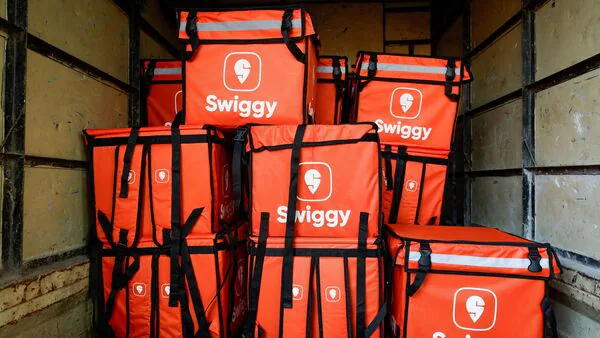
1. Swiggy: The Quick Commerce Gamble
Loss: ₹3,117 Crore | Revenue: ₹15,227 Crore
Despite going public in November 2024, Swiggy’s losses surged as it aggressively expanded Instamart, its quick-commerce vertical. The food delivery platform faces brutal competition from profitable rival Zomato while burning cash on 10-minute grocery deliveries. Warehousing costs, last-mile logistics, and customer discounts continue bleeding the company dry despite crossing ₹15,000 crore in revenue.
2. Ola Electric: The EV Dream Turns Nightmare
Loss: ₹2,276 Crore | Revenue: ₹4,514 Crore
Once India’s EV poster child, Ola Electric’s losses jumped 44% despite its high-profile IPO in August 2024. The company faces mounting challenges including quality concerns, regulatory scrutiny from CCPA, declining sales (down 10% YoY), and fierce competition from established players like TVS and Bajaj. Even aggressive discounting couldn’t stem the bleeding.
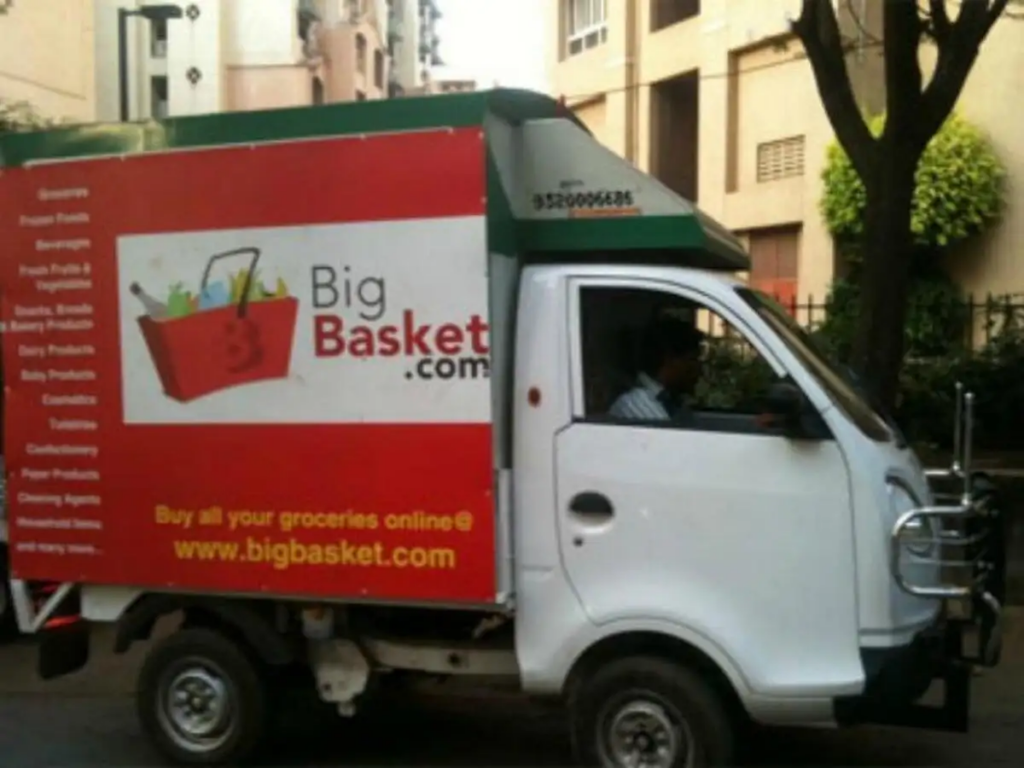
3. BigBasket: Crushed by Quick Commerce Titans
Loss: ₹2,007 Crore | Revenue: ₹9,867 Crore
Tata Digital’s grocery platform is hemorrhaging money as Blinkit, Zepto, and Swiggy Instamart dominate the quick commerce space. Revenue actually declined 2% YoY—a shocking reversal in a booming market. The company spent ₹1.2 to earn every rupee, with advertising expenses soaring 51% to ₹497 crore as it desperately fights for relevance.
4. PhonePe: Digital Payments’ Profitability Puzzle
Loss: ₹1,727 Crore | Revenue: ₹7,115 Crore
Walmart-backed PhonePe dominates UPI payments with 400+ million users but can’t crack profitability. Zero-fee UPI transactions offer minimal monetization despite massive scale. While losses narrowed 13.5%, the company still burns cash on infrastructure and cashbacks. Its upcoming IPO will test whether investors believe in the fintech giant’s path to profitability through insurance and lending.

5. PharmaEasy: The Healthtech Hangover
Loss: ₹1,517 Crore | Revenue: Not Disclosed
Once valued at $5.6 billion, PharmaEasy’s spectacular fall continues. The online pharmacy slashed losses 40% through aggressive cost-cutting but postponed its IPO indefinitely after failing to meet investor expectations. Governance concerns, regulatory challenges, and an inability to achieve unit economics haunt the company that acquired Thyrocare for ₹4,500 crore.
6. Ekart: Flipkart’s Logistics Albatross
Loss: ₹1,515 Crore | Revenue: ₹13,733 Crore
Flipkart’s in-house logistics arm narrowed losses 12% but remains deeply unprofitable despite handling 1.8 billion shipments. The company invested heavily in 100+ fulfillment centers and 5,000 electric vehicles, but rising fuel costs and wage pressures crushed margins. With Delhivery and Ecom Express breathing down its neck, profitability remains elusive.
7. Flipkart Internet: The IPO Hopeful
Loss: ₹1,494 Crore* | Revenue: ₹20,493 Crore*
India’s e-commerce giant slashed losses 37% through aggressive cost-cutting, including an 8% reduction in employee expenses. However, revenue growth slowed to just 14%—a concerning deceleration. With Amazon narrowing its own losses 89% to just ₹374 crore, Flipkart faces mounting pressure ahead of its much-anticipated 2026 IPO. Only subsidiary Myntra achieved profitability (₹548 crore profit).
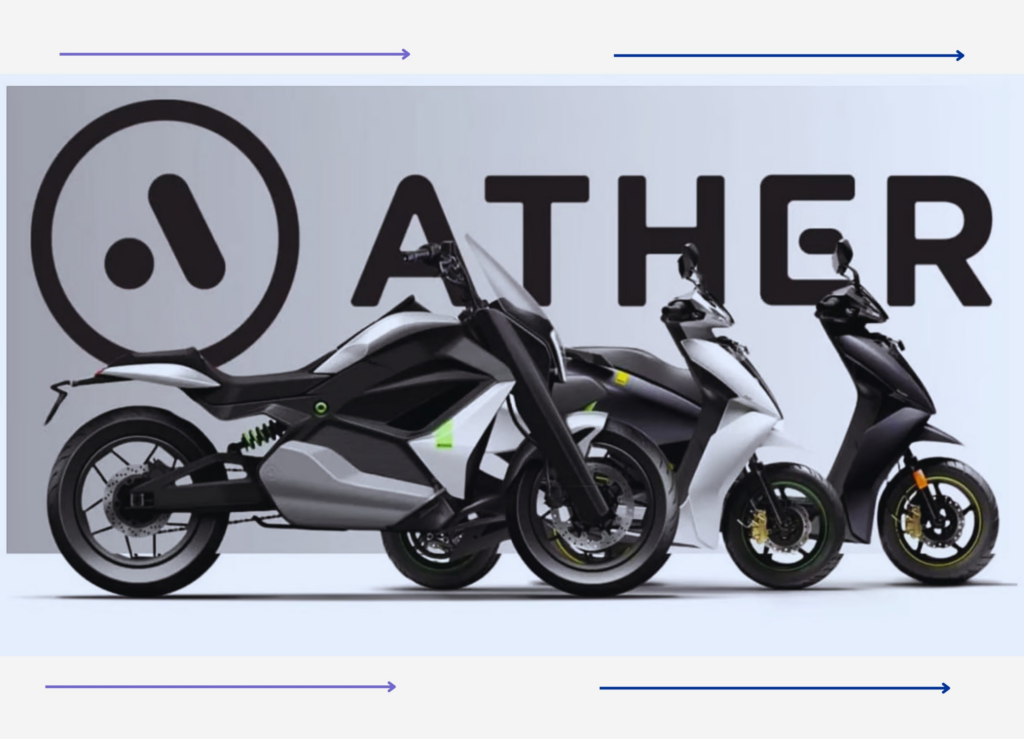
8. Ather Energy: The Two-Wheeler Tightrope
Loss: ₹812 Crore | Revenue: ₹2,255 Crore
Bengaluru-based Ather trimmed losses 23% and grew revenue 29%, offering hope in the brutal EV market. The company’s successful April 2025 IPO raised ₹1,340 crore from anchor investors. Despite overtaking Ola Electric in sales, Ather battles legacy players TVS and Hero while managing production scaling challenges and subsidy dependencies.
9. Paytm: Regulatory Reckoning
Loss: ₹659 Crore | Revenue: ₹6,900 Crore
Vijay Shekhar Sharma’s fintech empire saw losses drop 53%, but revenue crashed 31% following RBI’s crackdown on Paytm Payments Bank. Monthly transacting users plummeted from 96 million to 72 million. The founder surrendered ₹4,092 crore worth of ESOPs to settle SEBI notices, adding ₹492 crore in exceptional charges. Despite the chaos, Paytm maintains ₹12,809 crore in cash reserves.
10. ClearTrip: Flipkart’s Travel Troubles
Loss: ₹651 Crore | Revenue: ₹169 Crore
The Flipkart-owned travel platform spent over ₹5 to earn every rupee despite slashing losses 20%. Revenue surged 70% but remains tiny compared to expenses of ₹886 crore. The company doled out ₹608 crore in discounts—3.6 times its actual revenue—in a desperate bid for market share against MakeMyTrip and Yatra. Multiple C-suite exits including CEO, CFO, and CBO signal deeper troubles.
The Bigger Picture: Funding Winter Meets Reality
India’s startup ecosystem raised just $10.5 billion in 2025, down 17% from 2024, signaling a prolonged funding winter. These top 10 loss-makers collectively hemorrhaged over ₹15,700 crore, highlighting the harsh reality: venture capital patience has limits.
Key Patterns Emerge:
- Quick commerce curse: Swiggy, BigBasket, and their rivals burn billions chasing 10-minute delivery dominance
- IPO pressure cooker: Public markets demand profitability, forcing Swiggy, Ola, and Flipkart to cut costs aggressively
- Unit economics matter: Companies spending ₹5 to earn ₹1 can’t survive indefinitely, regardless of funding
- Regulatory risks: Paytm’s 31% revenue crash proves government actions can devastate unprofitable businesses overnight
For more insights on India’s evolving startup landscape, explore TechnoSports’ Startup Coverage and our analysis of tech business trends.
FAQs
Q: Why are profitable startups like Zomato not on this list while similar companies are bleeding cash?
Zomato achieved profitability (₹527 crore profit in FY25) through strict cost control, disciplined expansion, and better unit economics—proving that food delivery and quick commerce can work profitably with the right strategy.