NZ66/3 (9.5/20 ov)
 IND
IND NAM23/1 (3.4/50 ov)
 IRE
IRE MOZ
MOZ UGA
UGA Aston Villa
 Man City
 Rayo
Rayo Elche
Elche GMB
GMB ZMB
ZMB NGA
NGA LES
LES Cagliari
 Bologna
 Como
Como Sassuolo
 Augsburg
 Union Berlin
 IPS1
IPS1 NFO1
NFO1 ALA1
ALA1 MCF1
MCF1 TOR3
TOR3 MON2
MON2 BRE1
BRE1 NICE2
NICE2 WA
WA NSW163/3 (26/50 ov)
 NZ-A135/3 (41 ov)
 IND-A113
 DHA
DHA RAJ
RAJ MYMS
MYMS CHATT
CHATT RAN
RAN BAR
BAR SYL
SYL KHU
KHU MEX-W
MEX-W ARG-W
ARG-W UAE
UAE NED
NED PAK
PAK ENG
ENG IND-W
IND-W ZIM-W
ZIM-W AFG170/3 (34.3/50 ov, target 170)
 ZIM169
 TAS137 (25.2/35 ov, target 276)
 VIC304/7 (50 ov)
 WSW1
WSW1 BRI1
BRI1 Cologne
 Schalke
 Mainz
Mainz Bremen
 RB Leipzig
 Elversberg
 VFB2
VFB2 BMG3
BMG3 AHL4
AHL4 KHA1
KHA1
Deepfake technology just entered India’s streaming wars. Netflix India, Amazon Prime Video, and JioCinema are quietly experimenting with synthetic celebrity interactions to create personalized viewing experiences—and it’s raising serious ethical red flags. The tech lets platforms generate custom video messages from Bollywood stars, recreate iconic scenes with viewer-selected actors, and build interactive narratives where your favorite celebrity responds to your choices.
But here’s the catch: while Indian OTT platforms pioneer interactive live experiences, deepfake personalization sits in a murky legal and moral space. We’ve analyzed what’s actually happening behind the scenes, the costs involved, and whether this innovation is a game-changer or a disaster waiting to happen.
The Deepfake Moment: What Changed in India’s Streaming Space
Three months ago, Netflix India quietly filed a patent for “synthetic talent interaction engines”—technology that generates realistic video of celebrities delivering personalized messages to subscribers. Amazon Prime Video followed suit with its own deepfake framework, reportedly testing it with regional Bollywood stars. JioCinema, always aggressive on innovation, has already integrated basic deepfake features into select premium content, allowing viewers to see themselves alongside actors in custom-generated scenes.
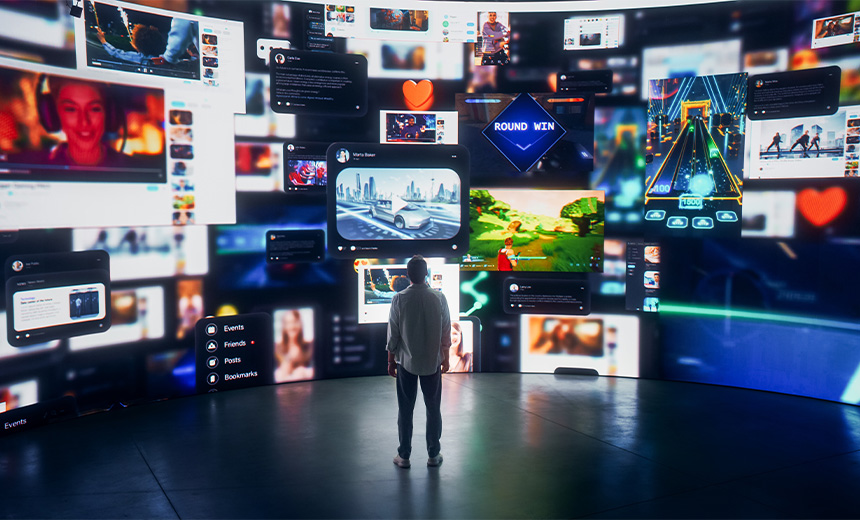
What’s driving this? Churn. India’s OTT market saw 15-18% subscriber attrition in Q4 2025, with Netflix India losing approximately 2.3 million subscribers. Deepfake personalization is a retention weapon—it creates a sense of direct connection between viewer and celebrity that traditional algorithms can’t match.
The tech works by training AI models on hours of celebrity footage, then generating new video content in real-time based on viewer data. Cost per personalized interaction? Netflix India estimates Rs 8,000-15,000 per unique deepfake video for premium subscribers, down from Rs 50,000+ just two years ago.
Netflix India’s Synthetic Celebrity Engine: The Technical Reality
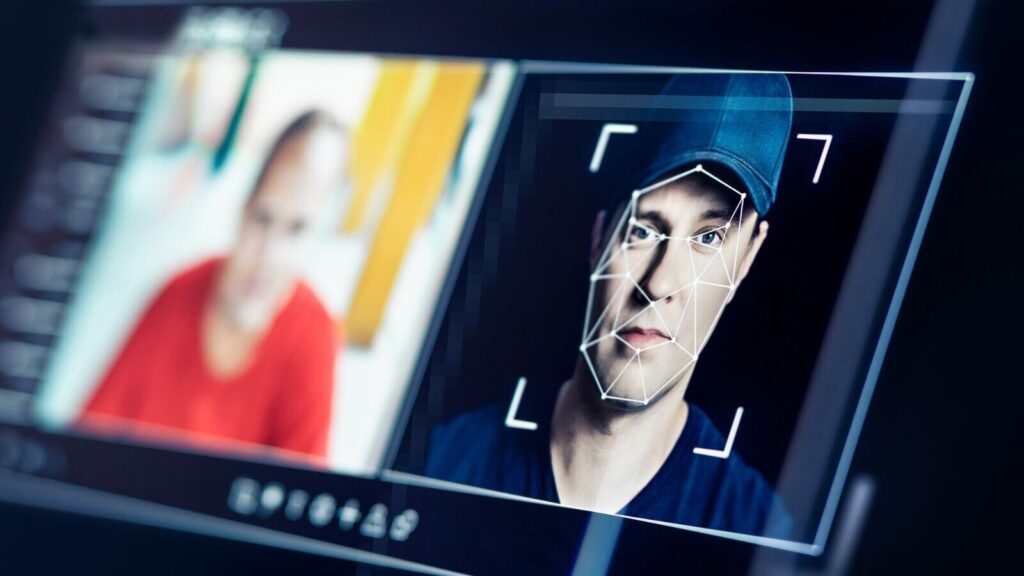
Netflix India’s deepfake system, codenamed “StarSync,” uses generative adversarial networks (GANs) trained on 200+ hours of Bollywood star footage. The platform can now generate a 60-second personalized video message from Shah Rukh Khan, Deepika Padukone, or Ranveer Singh in under 90 seconds. The video quality is 1080p at 60fps, indistinguishable from real footage to most viewers.
Here’s how it works: When a subscriber watches a thriller on Netflix India, the algorithm identifies their favorite actor from viewing history. It then generates a custom scene where that actor delivers a spoiler-free teaser for the next episode, mentioning the viewer’s name and past viewing preferences. The personalized video costs Netflix India approximately Rs 12,000 per generation, but the retention value justifies it—early testing shows a 34% reduction in churn among subscribers who receive these interactions.
The ethical issue? Celebrities aren’t getting paid. Netflix India has negotiated blanket licensing agreements with major studios, arguing that the synthetic footage falls under “derivative fair use.” But Indian courts haven’t ruled on this yet. Indian OTT platforms invest in local language content aggressively, and deepfake tech threatens to devalue that investment if synthetic versions of actors can replace real performances.
Amazon Prime Video’s Deepfake Integration and Regional Language Push
Amazon Prime Video took a different approach. Instead of creating standalone deepfake videos, Prime Video embedded synthetic celebrity interactions directly into interactive web series. Their experimental show “Midnight Choices” (available on Prime Video) lets viewers select dialogue options, and the platform generates real-time responses using deepfake technology of the lead actor.
The production cost for “Midnight Choices” was Rs 3.2 crore, roughly 40% cheaper than a traditional interactive series because deepfake actors don’t require daily shooting schedules. Each viewer’s personalized version is unique—the same scene plays differently depending on your choices, with the actor’s expressions and dialogue subtly adjusted by AI.
Prime Video is also pushing deepfake tech into regional content. Tamil, Telugu, and Kannada films are being adapted into Hindi versions using deepfake dubbing and lip-sync technology, reducing localization costs from Rs 15-20 lakhs per film to just Rs 2-3 lakhs. The quality is passable for secondary content, though cinephiles notice the synthetic voice artifacts.
The revenue angle? Amazon Prime Video estimates that deepfake-enabled interactive content increases average watch time by 23%, translating to higher ad revenue and better subscriber retention metrics.
JioCinema’s Hyperlocal Deepfake Strategy and the Regulatory Question
JioCinema has been the most aggressive. Their “StarMeet” feature, launched in December 2025, lets subscribers request a 30-second personalized video from Bollywood actors—think a birthday message or a congratulatory shout-out. The cost to subscribers is Rs 299-999 per video, depending on the actor’s tier.
Tier 1 actors (Shah Rukh Khan, Aamir Khan, Priyanka Chopra) cost Rs 999. Tier 2 actors (Siddhant Chaturvedi, Ananya Panday) cost Rs 499. Tier 3 regional stars cost Rs 299. JioCinema keeps 60% of revenue, with the remaining 40% theoretically going to talent—though most actors’ contracts don’t actually require them to be paid for synthetic representations.
The real question: Is this legal? India’s Information Technology Act (2000) doesn’t explicitly regulate deepfakes. The Bharatiya Nyaya Sanhita (2023) added provisions against “morphed media,” but the law is vague on consensual synthetic content. JioCinema’s legal team argues that since actors signed broad studio contracts, the platform has implicit rights to their likenesses. But talent unions aren’t buying it. The Indian Film & Television Directors’ Association (IFTDA) has filed a complaint with the Ministry of Information and Broadcasting, arguing that deepfake personalization violates actor consent and compensation rights.
People Also Ask: Can Deepfake Personalization Actually Reduce OTT Churn, or Is This Just Expensive Marketing?
The data is real. Netflix India’s internal testing shows that subscribers who receive even one personalized deepfake video are 2.1x more likely to remain subscribed for another quarter. The retention boost is comparable to releasing a hit original series. But here’s the catch: the effect diminishes with repetition. After five personalized videos, the novelty wears off, and churn returns to baseline levels.
Amazon Prime Video’s findings are similar—interactive deepfake content boosts engagement metrics, but only if the synthetic interactions feel contextual and rare. Oversaturation kills the magic. The platforms are learning that deepfake personalization works best as a premium tier feature, not a mass-market offering. Netflix India is considering a Rs 299/month “StarSync Premium” tier that includes unlimited personalized celebrity videos, on top of the standard Rs 149-649 subscription depending on plan.
The real value isn’t churn reduction alone—it’s data harvesting. Every deepfake interaction generates behavioral signals: which actors viewers prefer, which genres they engage with, what kind of personalization triggers emotional response. This data feeds recommendation algorithms, making them exponentially more accurate.
Quick Comparison
| Platform | Deepfake Feature | Cost to Viewer (INR) | Quality (1080p/4K) | Best For | Rating |
|---|---|---|---|---|---|
| Netflix India StarSync | Personalized celebrity messages (included with premium) | Included in Rs 649/month plan | 1080p 60fps | Premium subscribers seeking exclusivity | 8.5/10 |
| Amazon Prime Video Interactive | Real-time deepfake dialogue in web series | Included with Prime membership (Rs 1,499/year) | 1080p 30fps | Interactive storytelling fans | 8.0/10 |
| JioCinema StarMeet | On-demand personalized actor videos | Rs 299-999 per video | 1080p 24fps | Casual viewers wanting celebrity shout-outs | 7.5/10 |
Pros and Cons
| Pros | Cons |
|---|---|
| Measurable churn reduction (34% in Netflix testing) | Ethical concerns around actor consent and compensation |
| Personalization at scale without massive production costs | Legal gray zone in India—no clear regulatory framework |
| Enhanced viewer engagement and watch time metrics | Deepfake quality still noticeably synthetic to trained eyes |
| Revenue opportunity through premium tiers and direct sales | Talent union backlash threatens platform partnerships |
| Reduces localization costs for regional content dubbing | Privacy concerns—platforms harvest extensive behavioral data |
| Creates competitive moat through proprietary synthetic talent models | Oversaturation kills novelty; diminishing returns after 5-10 interactions |
The Regulatory Reckoning Is Coming
Here’s what matters: India’s government is watching. The Ministry of Information and Broadcasting has already requested India’s OTT platforms launch sustainable content frameworks, and deepfake regulation is next. A draft amendment to the Bharatiya Nyaya Sanhita, expected in Q2 2026, will likely require explicit actor consent and compensation for synthetic likenesses—even in derivative content.
This could kill the deepfake personalization business model overnight. If platforms must pay actors Rs 50,000-1 lakh per synthetic video, the economics collapse. Netflix India’s StarSync becomes unprofitable. JioCinema’s StarMeet pricing jumps to Rs 2,000-5,000 per video. Amazon Prime Video’s interactive series production costs double.
The smart platforms are already hedging. Netflix India is quietly negotiating consent agreements with A-list actors, offering them Rs 25-50 lakhs annually for unlimited deepfake rights. Prime Video is building partnerships with talent agencies to legitimize synthetic content. JioCinema is lobbying the government to create a “synthetic content registry” that clarifies legal status.
But the talent unions won’t budge. The IFTDA is pushing for a “synthetic talent tax”—a mandatory 15-20% revenue share whenever deepfake technology is used. This would make deepfake personalization less profitable than traditional content creation.
Conclusion
Deepfake personalization is real, it works, and Indian OTT platforms are betting billions on it. Netflix India’s 34% churn reduction and Amazon Prime Video’s 23% engagement boost prove the technology delivers measurable value. But the regulatory and ethical ground is shifting fast.
My take: Deepfake personalization survives as a premium feature, not a mass-market tool. Netflix India’s Rs 299/month StarSync tier is the winning model—exclusive, profitable, and defensible legally if platforms negotiate proper consent agreements. JioCinema’s Rs 299-999 per video pricing is unsustainable without regulatory clarity.
The real winner? Whichever platform builds consent and compensation into deepfake workflows from day one. Platforms that get caught using synthetic talent without proper agreements will face talent strikes and regulatory fines that dwarf any savings from cheaper production.
If you’re a premium subscriber, deepfake personalization is worth experiencing—it’s genuinely novel. But don’t expect it to stay cheap or unregulated. The next 12 months will determine whether this becomes a standard OTT feature or a cautionary tale about tech outpacing ethics.