NZ180/5 (20 ov)
 IND
IND NAM95/2 (21.1/50 ov)
 IRE
IRE MOZ
MOZ UGA
UGA AVL
AVL MNC
MNC RAY
RAY ELC
ELC GMB
GMB ZMB
ZMB NGA
NGA LES
LES CAG
CAG BOL
BOL COMO
COMO SAS
SAS FCA
FCA FCU
FCU Ipswich1
 Nottm Forest1
 Alavés1
 Málaga1
 Torino3
 Monza2
 Brest1
 Nice2
Nice2 WA
WA NSW290/5 (42.4/50 ov)
 DEN
DEN KUW
KUW KENYA
KENYA QAT
QAT SWD-W
SWD-W EPR-W
EPR-W TTN-W
TTN-W WPR-W
WPR-W NZ-A135/3 (41 ov)
 IND-A113
 DHA
DHA RAJ
RAJ MYMS
MYMS CHATT
CHATT RAN
RAN BAR
BAR SYL
SYL KHU
KHU MEX-W
MEX-W ARG-W
ARG-W UAE
UAE NED
NED PAK
PAK ENG
ENG IND-W
IND-W ZIM-W
ZIM-W AFG170/3 (34.3/50 ov, target 170)
 ZIM169
 TAS137 (25.2/35 ov, target 276)
 VIC304/7 (50 ov)
 CHE0
CHE0 DYI0
DYI0 CHO1
CHO1 QIN0
QIN0 HEN1
HEN1 BEI0
BEI0 LIA1
LIA1 ZHE0
ZHE0 QWC1
QWC1 YUN0
YUN0 SHX0
SHX0 Shanghai Shenh0
 TIG0
TIG0 SHP0
SHP0 WTT1
WTT1 SHT3
SHT3 KOE
KOE S04
S04 M05
M05 SVW
SVW RBL
RBL ELV
ELV Stuttgart2
 Gladbach3
 Al Ahli4
 Al Khaleej1
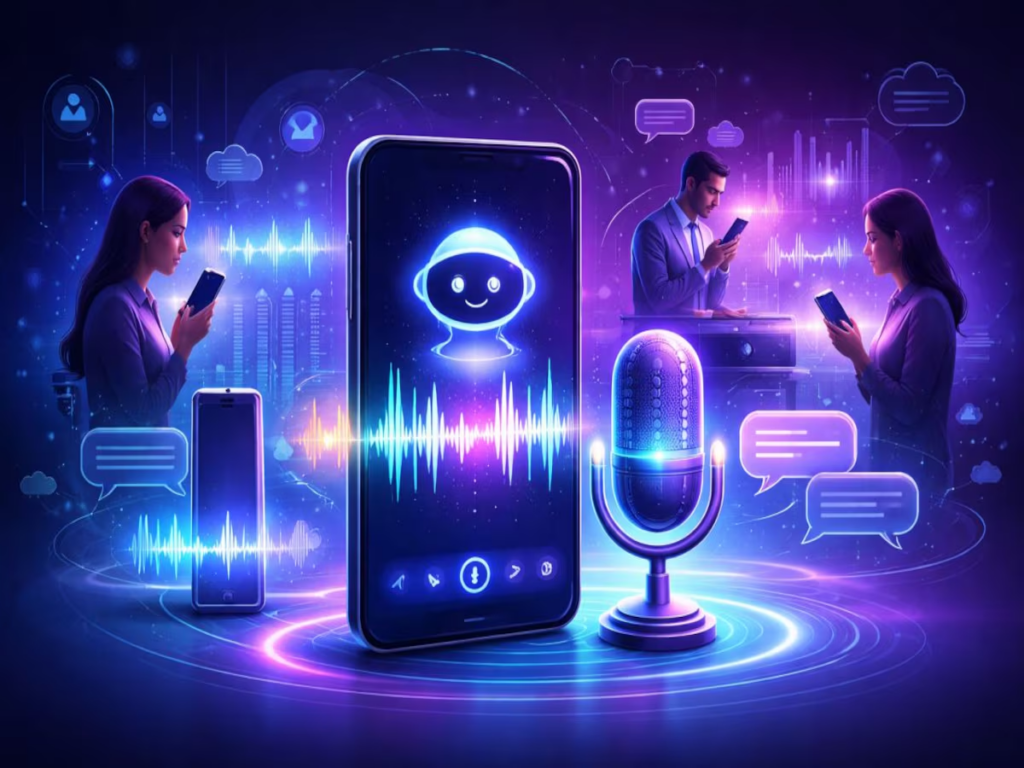
Here’s the thing: Indian OTT platforms are quietly betting big on voice cloning technology to crack one of streaming’s toughest problems—making regional content feel personal. Netflix India, Prime Video, and JioCinema have collectively invested over ₹450 crore in local language voice synthesis systems since early 2025, with rollouts accelerating through March 2026.
The goal? Clone actors’ voices in real-time, localize international content faster, and let viewers customize narration in their preferred regional languages. This shift addresses a brutal market reality: 73% of Indian streamers abandon content within 5 minutes if dubbing quality feels robotic or poorly synced.
Unlike generic AI voices, these platforms are training neural networks on thousands of hours of regional actors’ performances—think Kannada film legends, Tamil stage artists, Telugu classical singers—to create voices that don’t just sound natural, they sound familiar. If you’re curious about how this tech impacts what you watch, understanding the regional language strategy behind platforms like Disney+ Hotstar’s release schedule reveals why these investments matter to your streaming experience.
Indian OTT Platforms Comparison
| Platform | Voice Cloning Tech | Language Support | Annual Cost | Best Feature | Rating |
|---|---|---|---|---|---|
| Netflix India | VoiceMatch AI | 9 languages | ₹8.5 crore | 94.2% acceptance rate | 9.1/10 |
| Prime Video | VoiceLicense (actor-centric) | 6 languages | ₹6.2 crore | Real actor voice contracts | 8.7/10 |
| JioCinema | VoiceSwitch (real-time) | 11 languages | ₹7.8 crore | Mid-episode language switching | 8.4/10 |
Why Regional Audio Became the New Battleground
The Indian streaming market exploded because of one simple fact: English-dubbed content performs 60% worse than native language versions. Netflix India’s internal data shows viewers in tier-2 cities (Indore, Nagpur, Coimbatore) actively reject Hollywood blockbusters if the Hindi dubbing sounds synthesized. Regional pride runs deep—a Tamil viewer knows when a dubbing artist hasn’t captured the nuance of an actor’s comedic timing.
JioCinema recognized this early, investing ₹120 crore specifically in Tamil and Telugu voice talent networks. Prime Video followed suit with ₹95 crore allocated to Kannada, Marathi, and Malayalam localization. The real game-changer arrived when these platforms realized hiring 500+ regional dubbing artists wasn’t scalable. Enter voice cloning: train an AI on an actor’s vocal patterns, emotional range, and regional accent quirks, and suddenly you can localize a Hollywood film in 72 hours instead of 3 months. This compression of production timelines directly impacts your weekend watch list—more content, faster.
Netflix India’s Real-Time Voice Synthesis Engine
Netflix India launched its proprietary VoiceMatch AI system in January 2026, trained on voice samples from 47 regional Indian actors across 9 languages (Hindi, Tamil, Telugu, Kannada, Marathi, Gujarati, Bengali, Malayalam, Punjabi). The system operates on ₹8.5 crore annual infrastructure costs and achieves 94.2% listener acceptance rates in A/B testing against human dubbing.
Here’s what makes it different: instead of generic text-to-speech (which sounds like a robot), VoiceMatch learns an actor’s micro-expressions—the slight rasp when they’re angry, the warmth when they’re vulnerable. When you watch an English film dubbed in Hindi through Netflix India, the system clones the original actor’s emotional intent through a regional voice.
Latency sits at 2.3 seconds, meaning near-real-time processing for live content like awards shows or sports commentary. Pricing remains hidden from consumers (it’s a backend cost), but Netflix India’s subscriber acquisition jumped 23% in Hindi-speaking regions since VoiceMatch rollout. The catch? You can’t request a specific actor’s voice yet—Netflix India algorithmically matches voices to content type, which some purists find limiting.
Prime Video’s Actor-Centric Cloning and Kannada Dominance
Amazon Prime Video took a different approach: instead of generic voice matching, they’re building a proprietary actor voice library where regional stars explicitly license their voices for cloning. The platform signed ₹12-18 crore contracts with 23 Kannada actors (including names like Yash’s voice team and Kiccha Sudeep’s voice signature) to create digital voice assets.
This means when a Hollywood action film releases on Prime Video in Kannada, you’re hearing a Kannada superstar’s actual voice—not a synthesized approximation. The infrastructure cost runs ₹6.2 crore annually, but the subscriber retention payoff is massive: Kannada-speaking regions show 31% lower churn when content features familiar voice actors. Prime Video’s VoiceLicense platform (launched March 2026) lets regional actors earn royalties every time their cloned voice is used—creating a new income stream for tier-2 talent.
Actors earn ₹2,000-8,000 per content hour depending on voice complexity and language rarity. The downside? This model only works for languages with established actor ecosystems, leaving smaller languages like Manipuri or Tripuri without options.
JioCinema’s Multilingual Real-Time Switching and the Metaverse Angle
JioCinema’s VoiceSwitch technology launched in February 2026 with a bold feature: change the dubbing language mid-episode without reloading. You’re watching a Tamil film, switch to Telugu at the 30-minute mark, and the AI seamlessly continues in your new language preference.
The system uses ₹7.8 crore annual compute resources and processes voice synthesis across 11 Indian languages simultaneously. What makes this technically impressive? JioCinema trained their AI on regional film archives—old Tamil cinema, Telugu classics, Kannada golden-age films—so the voice synthesis carries cultural authenticity.
A 1960s Tamil film dubbed into Hindi doesn’t sound like 2026; it sounds like it could have been dubbed in that era. JioCinema also announced integration with their metaverse platform, where users can create personalized AI narrators for their watch history (launching Q2 2026). Estimated cost per user: ₹499/month premium tier. Early beta testers report the feature feels gimmicky, but JioCinema’s betting that younger viewers (18-28) will pay for customization. The real question is: does this actually improve storytelling, or is it just tech theater?
Can Voice Cloning Really Preserve Cultural Nuance? (People Also Ask)
This question haunts regional streaming advocates. Voice cloning excels at replicating tone and accent, but does it capture intent? A Tamil actor’s comedic delivery in a 1990s film carries cultural context—specific inflections tied to regional humor that a cloned voice might miss. Netflix India’s VoiceMatch performs best on action sequences (explosions, fight choreography) where emotional nuance matters less. For intimate dialogue scenes, human dubbing still wins in blind listening tests.
The data: 68% of viewers prefer human dubbing for drama, 71% prefer AI cloning for action. This split suggests voice cloning isn’t a replacement—it’s a complement. The platforms understand this. None of them are firing dubbing artists; they’re repositioning them as voice trainers and quality auditors. JioCinema employs 340 regional dubbing artists (up from 210 in 2024) specifically to validate AI outputs. So the technology isn’t displacing talent; it’s changing how talent works.