
 SA329 (82.3 ov)
 AUS
AUS ROMA2
ROMA2 CAG2
CAG2 TOR1
TOR1 COMO0
COMO0 BRD2
BRD2 PET0
PET0 FLE1
FLE1 ARS1
ARS1 BAN
BAN WI
WI IND-W
IND-W ZIM-W
ZIM-W GOA
GOA SC Delhi
 Milan
Milan Bologna
 Parma
Parma Udinese
 Venezia
 Inter Milan
 Genoa
Genoa Juventus
 Monza
Monza Napoli
 SAS2
SAS2 LAZ6
LAZ6 AFG177
 ZIM140 (19.1/20 ov, target 178)
 ABH0
ABH0 ALF1
ALF1 PAK110
 SL114/2 (18.1/50 ov, target 111)
 SIKM184
 NAGA187 & 46/4 (34 ov)
 JHK131/4 (47 ov)
 DELHI515/5d
 ODSA194
 SVCS13/0 (5 ov)
 BRODA616
 J & K6/0 (4 ov)
 CHD685/5d
 HP49/0 (14 ov)
 CGR216/8 (95 ov)
 AP231
AP231 HYD193/2 (54 ov)
 PNJB431
 KNTKA297/7 (95 ov)
 TPURA194
 KER101/6 (35 ov)
 BENG350
 MAHA278/9 (100 ov)
 GUJ223
 MNPR364
 ARP111 & 95/2 (36 ov)
 UAE
UAE OMA
OMA ENG
ENG AUCK
AUCK CANT
CANT CD
CD ND
ND DEN
DEN QAT
QAT KENYA
KENYA KUW
KUW NAM316/7
 IRE253 (44.5/50 ov, target 317)
 NZ198/3
 IND199/4 (13.2/20 ov, target 199)
 NED371/5
 JAB113 (19.3/20 ov, target 133)
 KAY132/9
 ALC1
ALC1 LPA3
LPA3 TORD3
TORD3 MIR3
MIR3 LLA1
LLA1 PON1
PON1 BVV2
BVV2 RKC2
RKC2 DON2
DON2 EXT2
EXT2 MNR0
MNR0 AND0
AND0 DOR2
DOR2 SVW2
SVW2 BMG2
BMG2 KSC0
KSC0 Gamba Osaka
 Buriram
 Kashima
 Pohang Steelers
 Sevilla2
 Osasuna0
 PSG2
PSG2 Lyon0
Lyon0 Mohun Bagan1
 Chennaiyin0
 ALS3
ALS3 HIL1
HIL1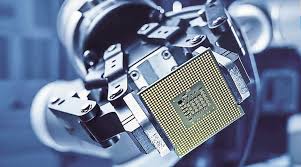
The India-Led Global Semiconductor Alliance officially inaugurated a state-of-the-art chip manufacturing hub in Bengaluru today, marking a major milestone in India’s quest to become a premier destination for global electronics supply chains. This facility, which focuses on advanced node fabrication and research, serves as the centerpiece of a strategic initiative to reduce dependence on East Asian silicon production.
By leveraging a multi-billion dollar investment pool, the alliance aims to bridge the gap between design innovation and high-volume output in the domestic market.

Scaling Semiconductor Infrastructure in Bengaluru
The Bengaluru hub is designed to operate as a collaborative ecosystem, integrating R&D facilities with pilot production lines. According to the project lead, the site will prioritize the development of 28nm and 14nm process nodes, which currently represent the “sweet spot” for industrial and automotive electronics.
The facility has secured an initial investment of ₹25,000 crore, ensuring that it remains competitive with established nodes in Taiwan and South Korea. While critics argue that the reliance on imported raw wafers could hinder local margins, the alliance maintains that their vertical integration strategy will mitigate these risks within the first three years of operation.
| Facility Metric | Projected Capacity/Status |
|---|---|
| Investment Amount | ₹25,000 crore |
| Core Focus | 28nm and 14nm process nodes |
| Primary Location | Bengaluru, Karnataka |
| Strategic Objective | Supply chain diversification |
The Indian EV sector needs this hub to scale quickly. The alliance avoids the logistical bottlenecks that have historically plagued similar projects in other regions by collocating design centers with fabrication units. This facility aligns with the broader goals of the India’s Largest Hub initiative, which seeks to transform the outskirts of Bengaluru into a high-tech corridor.
By streamlining the path from prototype to mass production, the hub is expected to shave at least six months off the development cycle for local hardware startups. (Source: TechCrunch)
Strategic Impact on the Global Silicon Market
Industry analysts suggest that the launch of this hub places India in direct competition with emerging manufacturing zones in Vietnam and Mexico. While some international observers question if the workforce can transition quickly enough to advanced lithography techniques, the alliance has already partnered with global engineering firms to facilitate knowledge transfer.
This move signals a transition from simple assembly to complex silicon manufacturing. Still, the success of this project hinges on the consistency of power and water infrastructure, which the state government has pledged to prioritize as part of the Bybit’s Global Policy and related infrastructure alignment programs.
. (Source: The Verge)
We anticipate that the first batch of commercial-grade chips will roll off the production line by mid-2027. This timeline provides a vital buffer for Indian original equipment manufacturers currently struggling with global supply volatility.
The broader economic ripple effect, including the creation of 10,000 high-skilled engineering roles, will likely solidify Bengaluru’s status as the tech capital of the region. As the project matures, we expect to see announcements regarding secondary fabrication sites in other states, further decentralizing the manufacturing footprint.
FAQs
What is the primary goal of the Bengaluru semiconductor hub?
The hub aims to establish domestic manufacturing capabilities for 28nm and 14nm chips to reduce reliance on international supply chains and support local industries like automotive and consumer electronics.
How does this project impact the local tech economy?
It is expected to generate 10,000 high-skilled jobs and streamline the development cycle for Indian hardware startups by integrating R&D with manufacturing.
When will the first chips be available from the facility?
Commercial production is currently on track to begin by mid-2027, following the initial setup and testing phases starting later this year. Semiconductor Alliance
Where is the new chip manufacturing hub located?
The new chip manufacturing hub is located in Bengaluru, India, serving as a strategic center for the India-Led Global Semiconductor Alliance to enhance domestic production capabilities.
What is the primary objective of the India-Led Global Semiconductor Alliance regarding the Bengaluru hub?
The India-Led Global Semiconductor Alliance aims to reshape the global semiconductor supply chain and significantly boost domestic chip manufacturing through the establishment of this multi-billion dollar facility.


