SA329 (82.3 ov)
 AUS
AUS BAN82/2 (24.2 ov)
 WI
WI IND-W
IND-W ZIM-W
ZIM-W GOA
GOA SC Delhi
 Milan
Milan Bologna
 Parma
Parma Udinese
 Venezia
 Inter Milan
 Genoa
Genoa Juventus
 Monza
Monza Napoli
 UAE
UAE OMA
OMA ROMA4
ROMA4 CAG2
CAG2 TOR1
TOR1 COMO3
COMO3 SAS2
SAS2 LAZ6
LAZ6 AFG177
 ZIM140 (19.1/20 ov, target 178)
 AUCK
AUCK CANT
CANT CD
CD ND
ND SIKM184
 NAGA187 & 127/6 (66 ov)
 JHK131/4 (47 ov)
 DELHI515/5d
 ODSA194
 SVCS13/0 (5 ov)
 BRODA616
 J & K6/0 (4 ov)
 CHD685/5d
 HP95/0 (31 ov)
 CGR216/8 (95 ov)
 AP231
AP231 HYD193/2 (54 ov)
 PNJB431
 KNTKA297/7 (95 ov)
 TPURA194
 ENG
ENG SL
SL DEN
DEN QAT
QAT KENYA
KENYA KUW
KUW POA
POA SPR
SPR BRB
BRB VAG
VAG PAK110
 NAM316/7
 IRE253 (44.5/50 ov, target 317)
 NZ198/3
 IND199/4 (13.2/20 ov, target 199)
 NED371/5
 JAB113 (19.3/20 ov, target 133)
 KAY132/9
 Al Khaleej
 Al Hazem
 Gamba Osaka
 Buriram
 ABH0
ABH0 ALF1
ALF1 Sevilla2
 Osasuna0
 PSG2
PSG2 Lyon0
Lyon0
Despite these gaps, the announcement forces a hard look at fleet modernization. Here is how the industry transitions from legacy systems to electrified operations.
The Era Of Diesel Dependency
For decades, light and medium-duty commercial vehicles relied entirely on internal combustion engines to move goods through city streets and industrial parks. Fleet managers operated under rigid assumptions about maintenance schedules and refueling infrastructure.
They accepted higher noise pollution and tailpipe emissions as standard opeHyundai Palisade Gains High appeal through superior dealer coverage. Even when manufacturers introduced mild hybrid assistance, it rarely addressed the core inefficiencies of heavy mechanical drivetrains. The financial burden of these older platforms weighed heavily on small businesses trying to expand their reach. Many operators found themselves trapped in a cycle of buying depreciating assets that required constant, expensive upkeep.
The Shift Toward Hyundai Electrified Logistics
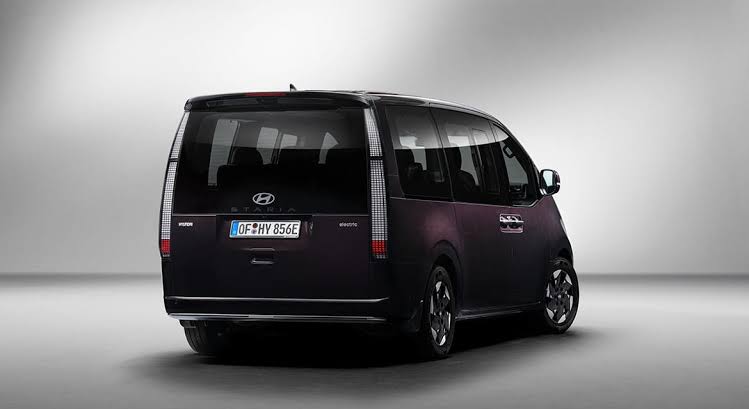
The introduction of this new electric van changes the mathematical equation for commercial operators overnight.
As we evaluate this pricing strategy, it clearly targets mid-sized logistics companies that previously viewed full electrification as a luxury reserved for large corporations.
Much like the aggressive front fascia seen on the 2027 Hyundai Tucson Looks that mirrors the sedan’s sharp design language, this van prioritizes aerodynamic efficiency alongside rugged durability. The platform likely incorporates advanced thermal management systems to protect the battery pack during intensive stop-and-go deliveries.
While competitors struggle with inconsistent software integration across their commercial lines, this model appears designed to simplify remote diagnostics and over-the-air updates. Fleet owners can already visualize the reduction in daily operational expenses, as electricity generally costs less per mile than conventional fuels.
Businesses that adapt early will secure a distinct advantage over slower-moving rivals.
Redefining Urban Transport Economics
Once fully integrated into active fleets, these vehicles will drastically alter the total cost of ownership calculations. The elimination of oil changes, transmission flushes, and exhaust system replacements translates directly into improved profit margins for independent owners.
Drivers benefit from instant torque delivery and significantly reduced cabin vibration, which lowers fatigue during long shifts. Municipalities may also offer preferential loading zones or exempt these zero-emission vehicles from upcoming low-emission zone restrictions.
The broader automotive ecosystem begins to feel the ripple effects, pushing charging infrastructure providers to accelerate their deployment timelines. Small business owners who traditionally leased outdated trucks might now purchase outright, building equity instead of paying rent on depreciating machinery.
The market is rapidly moving away from sheer horsepower toward Intelligent energy management, drawing parallels to the rapid innovation seen when 5 New Cars Arriving that promise to redefine personal mobility.
| Metric | Traditional Diesel Van | New Electric Commercial Van |
|---|---|---|
| Base | Lower upfront cost | Approximately $66,500 USD |
| Fuel Expenses | High and volatile | Significantly reduced |
| Maintenance Needs | Frequent scheduled service | Minimal routine upkeep |
| Emissions Output | Tailpipe pollutants present | Zero direct emissions |
| Software Integration | Limited diagnostic features | Advanced remote updates |
The Verdict On Fleet Modernization
Choosing between legacy platforms and emerging electric models requires a clear understanding of your daily mileage and charging capabilities. If your routes stay within a consistent urban radius and feature reliable depot access, switching to an electric setup delivers immediate financial relief.
However, if your operations demand cross-country hauls without guaranteed fast-charging networks, sticking with conventional powertrains remains the pragmatic choice for now. Early adopters must weigh the higher initial investment against long-term savings on fuel and maintenance.
Tracking the long-term performance of this latest release will provide valuable insights, much like analyzing Hyundai Creta Reliability: Maintenance data helps predict future ownership costs. Businesses that embrace this shift today will dominate the logistics markets of tomorrow.
What are the key specifications of Hyundai’s new electric van?
Hyundai‘s new electric van features a robust electric powertrain designed for efficiency and performance. While official specifications remain unconfirmed, it reportedly offers a range of approximately 250 miles on a single charge, a payload capacity of up to 3,500 pounds, and advanced safety features including lane-keeping assist and automatic emergency braking.
How does the pricing of Hyundai’s electric van compare to traditional commercial vans?
Related Articles
- Hyundai Confirms Mass Market EV To Launch This FY In India
- Hyundai Boulder SUV Design Patented In India – Details
- Hyundai Ioniq 9 Interior Design Leaks: 5 Key Details
Was this article helpful?
Your feedback directly improves future articles on this site.