NED
 OMA37/0 (8.5/50 ov)
 Sassuolo
 Fiorentina
 Atalanta
 Parma
 Lorient
 Brest
 Newcastle
 Everton
 Deportivo
 Osasuna
 WI-A
 LIONS
 Galatasaray
 Stuttgart
 Shakhtar
 Sporting
 ATH2
 RSO1
 JUV2
 NAP0
 OLM2
 TOU0
 ELC0
 VAL1
 NZ-A424
 IND-A346 & 32/0 (11 ov)
 QLD280
 VIC307 & 90/4 (43.2 ov)
 SYL218 & 89/2 (38 ov)
 CHATT210
 MYMS108 & 57/2 (14 ov) (f/o)
 KHU288
 DHA
 BAR
 RAN122/3 (39 ov)
 RAJ231
 ASSAM93/4 (33 ov)
 KNTKA
 MEGHA
 NAGA127/6 (31 ov)
 TPURA50/5 (32 ov)
 SAU
 BENG101/7 (26 ov)
 MAHA
 ODSA
 JHK
 MS-W
 PS-W
 KAY
 KAG
 CHR
 SPR
 TOK
 MOW
 BIK
 JAB
 LUL
 POA
 DOLPH
 WPR
 AFG81/3 (8.1/20 ov, target 80)
 ZIM79
 NAM131/5 (21.2/50 ov, target 130)
 IRE129
 NZ195/3 (18/20 ov, target 192)
 IND191/8
 SS-W196/8
 HH-W109 (17.4/20 ov, target 197)
 ST-W180/4 (16.4/20 ov, target 179)
 BH-W178/5
 Pakhtakor
 Al Nassr
 LEC1
 GEN2
 LIV0
 ARS1
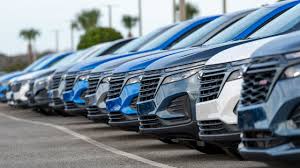
The automotive world is shifting in real time. Shrinking dealership inventories are pushing buyers toward hybrid powertrains, a trend that Autoblog has been tracking closely as consumer preferences evolve across different markets.
Hybrids: Declining Inventory Accelerates Hybrid Adoption Trends
As of May 5, 2026, something fundamental is changing in automotive retail. Traditional gas-powered cars are disappearing from dealer lots, and buyers don’t want to wait around. They’re moving toward hybrids instead.
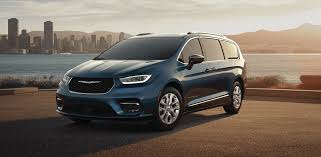
Here’s what makes this interesting: hybrids aren’t a perfect solution, but they’re practical. They work as a stepping stone for people nervous about charging infrastructure and the full switch to electric. Shoppers are picking availability over brand loyalty right now.
This inventory squeeze is forcing a real conversation about what buyers actually need in their next car. Sure, some folks might hold out for more selection. But the numbers tell a different story—people’s purchasing habits are changing for good.
Check out what Ford’s electric truck market shows us: there’s genuine demand for solutions that are both sustainable and practical. Manufacturers are responding by retooling their production lines to make more hybrids, betting that this technology will keep sales steady long-term.
Comparing Hybrid Growth Against Electric Vehicle Constraints
The debate between hybrids and full electric vehicles keeps heating up. EVs produce zero tailpipe emissions—that’s huge. But they need specific charging networks and depend on battery supply chains that aren’t always reliable.
Hybrids sidestep those problems entirely. According to Car and Driver, that flexibility is a real advantage when supplies get tight. This isn’t a blip. It’s a genuine shift in how the market works.
State incentives matter too, as GM’s sales data shows. While most automakers still see electric as the future, today’s market reality favors what’s practical right now. Hybrids fill that gap perfectly—they’re the bridge between old technology and a cleaner tomorrow.
For drivers not quite ready to go all-in on electric, this option makes real sense. The details here are worth paying attention to.
FAQs
Why are hybrids leading the current market shift?
Hybrids fill a real gap right now. Limited inventory of traditional vehicles means buyers need options. They get fuel efficiency without needing to hunt for charging stations.
Are specific prices available for these vehicles?
No specific vehicle prices, variants, or launch dates are available in the information provided as of May 2026.
How do supply chains impact this trend?
When inventories drop, manufacturers focus on what sells. That means pushing hybrids hard instead of traditional gas engines. The supply crunch is accelerating this shift.
What are the main reasons consumers are choosing hybrid vehicles in 2026?
Buyers like that hybrids are efficient and produce fewer emissions. They’re also becoming easier to find as manufacturers stock more of them. Environmental concerns and rising fuel costs are pushing people in this direction too.
How are declining inventories affecting the automotive market?
Fewer cars on lots means higher demand for hybrids. Consumers want something now, not later. Manufacturers are ramping up hybrid production to meet that demand.
Will hybrid vehicles continue to dominate the market in the future?
That depends on several factors—technology improvements, what buyers actually want, and whether electric options become more accessible. As charging networks expand and EV prices drop, the market could shift again.
Are there any financial incentives for purchasing hybrid vehicles?
Yes. Many regions offer tax credits, rebates, and lower registration fees for hybrid buyers. These incentives can cut your total ownership costs significantly and make hybrids more appealing than traditional vehicles.
How do hybrid vehicles compare to fully electric vehicles in terms of performance?
Hybrids blend performance and efficiency by combining a gas engine with an electric motor. EVs produce zero emissions and often have more instant torque. But hybrids win on convenience for long trips since you’ve got gas as backup. Staying informed about these trade-offs keeps you ahead of the curve.