NZ113/3 (14.4 ov)
 IND
IND NAM321/6
 IRE208/5 (37.3/50 ov, target 322)
 KHO
KHO ETT
ETT NAP
NAP ROMA
ROMA CHE
CHE TOT
TOT VAL
VAL VIL
VIL DOR
DOR SGE
SGE RIY
RIY TAA
TAA LAZ
LAZ PAR
PAR RCL
RCL PAR
PAR MOZ19
MOZ19 UGA23/0 (0.5/20 ov, target 20)
 Ipswich1
 Nottm Forest1
 Alavés1
 Málaga1
 Torino3
 Monza2
 KENYA
KENYA QAT
QAT SWD-W
SWD-W EPR-W
EPR-W TTN-W
TTN-W WPR-W
WPR-W BOR135/3 (18/20 ov, target 137)
 WAR136/8
 NZ-A135/3 (41 ov)
 IND-A113
 DHA293/3 (84.1 ov)
 RAJ
RAJ MYMS299/4 (87 ov)
 CHATT
CHATT RAN320/5 (80 ov)
 BAR
BAR SYL
SYL KHU
KHU MEX-W
MEX-W ARG-W
ARG-W UAE
UAE NED
NED PAK
PAK ENG
ENG IND-W
IND-W ZIM-W
ZIM-W GMB
GMB LES
LES ZMB
ZMB NGA
NGA AFG170/3 (34.3/50 ov, target 170)
 ZIM169
 Brest1
 Nice2
Nice2 Stuttgart2
 Gladbach3
 Al Ahli4
 Al Khaleej1
Android catches up! Huawei and OPPO are both exploring 1:1 square front camera sensors inspired by the iPhone 17’s 18MP Center Stage camera, eliminating awkward phone rotations for group selfies.
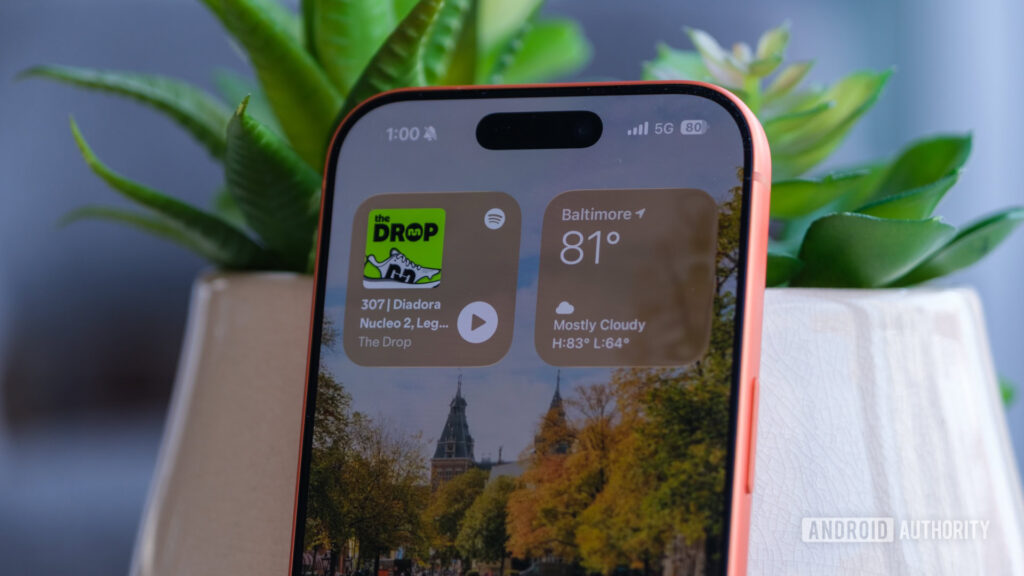
1:1 Sensor Solves Everyday Annoyances
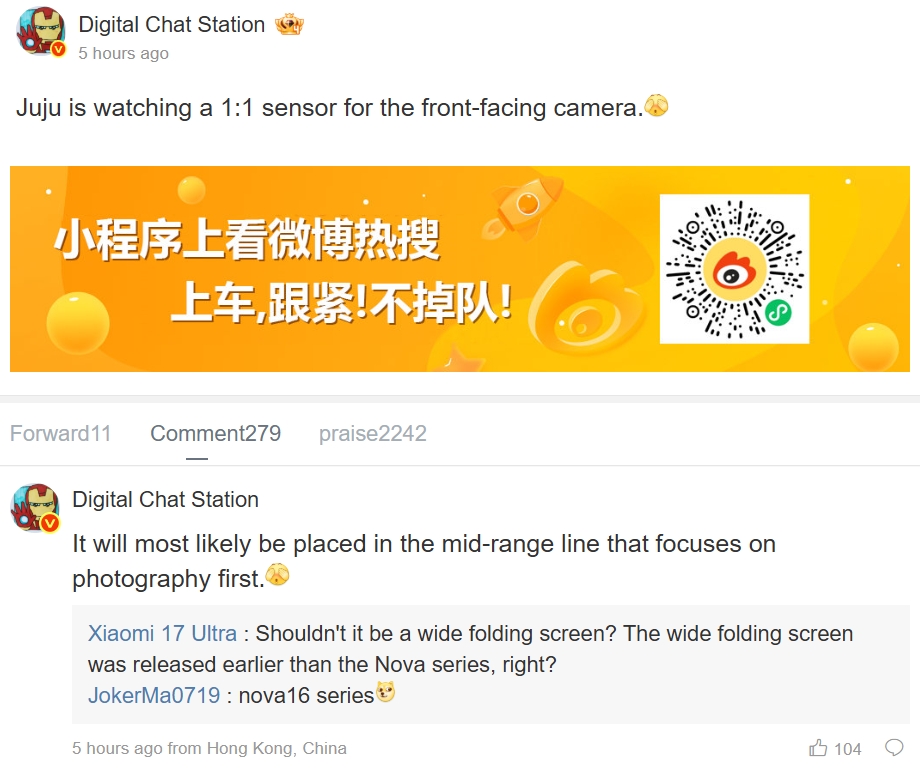
Leaker Digital Chat Station reports Huawei is testing square selfie sensors for its photography-focused mid-range Nova 16 series, while OPPO targets the flagship Find X10 lineup. The technology mirrors Apple’s iPhone 17 implementation, which debuted in September 2025.
Square Sensor Technology Comparison
| Brand | Target Series | Sensor Format | Benefits |
|---|---|---|---|
| Apple iPhone 17 | All models (already launched) | 18MP square (1:1) | Center Stage, orientation-free capture |
| Huawei | Nova 16 (mid-range) | 1:1 square (rumored) | Better framing flexibility |
| OPPO | Find X10 (flagship) | 1:1 square (rumored) | “Better than Apple’s” per leaker |
| Traditional Sensors | Most Android phones | 4:3 or 16:9 rectangular | Requires physical rotation |
Why Square Sensors Matter
Unlike traditional rectangular sensors, a 1:1 format captures a balanced image area in both axes. Software then crops perfectly for portrait or landscape without losing crucial frame edges. This proves especially valuable for group selfies, video calls, and social content where orientation changes often cause awkward reframing.
The iPhone 17’s 18MP square sensor translates to roughly 4K-wide crops in either orientation, leaving ample pixels for electronic stabilization, face tracking, and horizon leveling—all without physically rotating the device.
Real-World Convenience
Users report the iPhone 17’s Center Stage system takes adjustment—unlearning the reflex to rotate for wider group shots. But once adapted, the convenience is undeniable: compose once, decide aspect ratio later, with fewer retakes.
For creators juggling vertical-first platforms (Instagram Reels, TikTok, YouTube Shorts) and landscape workflows (YouTube long-form, professional content), square sensors satisfy both worlds without compromises.
OPPO Claims Better Implementation
Digital Chat Station suggests OPPO’s square sensor may surpass Apple’s execution, though specifics remain unclear. The Find X10 series—not the upcoming Find X9 Ultra—is expected to debut the technology, targeting late 2026 or early 2027.
OPPO likely differentiates through granular field-of-view controls, AI-guided reframing, and pro-grade video tools that lock exposure and white balance across orientation changes.
Huawei’s Mid-Range Strategy
Huawei’s Nova lineup focuses on photography enthusiasts seeking premium camera experiences without flagship pricing. Bringing square sensors to the Nova 16 series (versus Mate/Pura flagships) suggests rapid mainstream adoption strategy.
If successful, Xiaomi, vivo, and Samsung will likely follow quickly, accelerating square sensors as the new Android front camera standard.
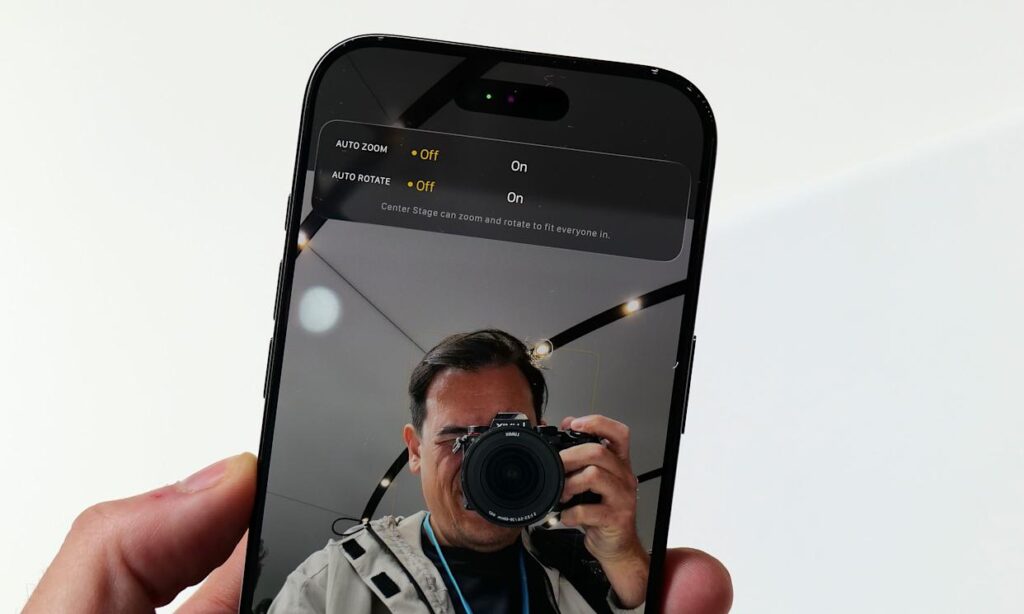
Hardware Caught Up, Software Follows
4K front video, stabilized selfie footage, and advanced face tracking are now table stakes on premium phones. Square sensors align perfectly with these trends, giving software more pixels for computational photography magic.
Data from analytics firms highlights time spent in vertical video apps while YouTube remains dominant for long-form—phones must serve both simultaneously. Square sensors eliminate the compromise.
For updates on Android camera innovations, follow Technosports and check our smartphone camera coverage.