
 SA329 (82.3 ov)
 AUS
AUS AFG177
 ZIM44/1 (7.3/20 ov, target 178)
 SAA0
SAA0 EST0
EST0 SAS
SAS LAZ
LAZ ROMA
ROMA CAG
CAG TOR
TOR COMO
COMO BAN
BAN WI
WI IND-W
IND-W ZIM-W
ZIM-W GOA
GOA SC Delhi
 Milan
Milan Bologna
 Parma
Parma Udinese
 ABH0
ABH0 ALF1
ALF1 PAK110
 SL114/2 (18.1/50 ov, target 111)
 NAM316/7
 IRE253 (44.5/50 ov, target 317)
 NZ198/3
 IND199/4 (13.2 ov)
 SIKM184
 NAGA187 & 46/4 (34 ov)
 JHK131/4 (47 ov)
 DELHI515/5d
 ODSA194
 SVCS13/0 (5 ov)
 BRODA616
 J & K6/0 (4 ov)
 CHD685/5d
 HP49/0 (14 ov)
 CGR216/8 (95 ov)
 AP231
AP231 HYD193/2 (54 ov)
 PNJB431
 KNTKA297/7 (95 ov)
 TPURA194
 KER101/6 (35 ov)
 BENG350
 MAHA278/9 (100 ov)
 GUJ223
 AUCK
AUCK CANT
CANT CD
CD ND
ND DEN
DEN QAT
QAT KENYA
KENYA KUW
KUW POA
POA SPR
SPR BRB
BRB VAG
VAG NED371/5
 OMA265 (49.3/50 ov, target 372)
 JAB113 (19.3/20 ov, target 133)
 KAY132/9
 BIK149 (19.3/20 ov, target 158)
 CHR157/3
 SEEB0
SEEB0 EBFC0
EBFC0 Venezia
 Inter Milan
 Genoa
Genoa Juventus
 Sevilla2
 Osasuna0
 PSG2
PSG2 Lyon0
Lyon0 Mohun Bagan1
 Chennaiyin0
 BEI2
BEI2 JHM2
JHM2 RCH0
RCH0 KRE0
KRE0
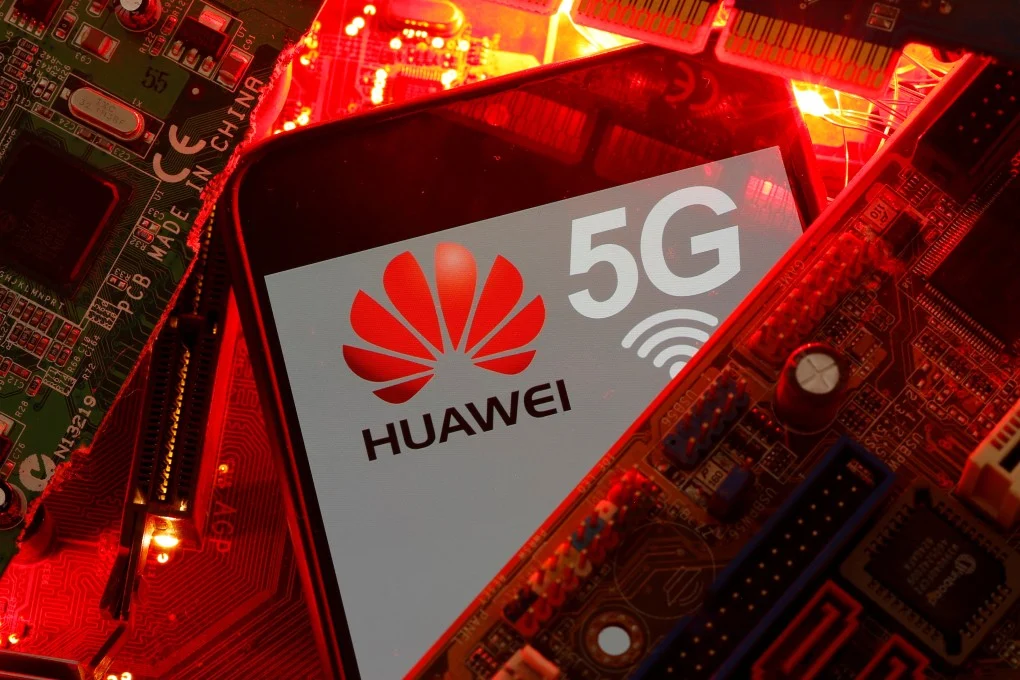
Huawei’s latest chip design breakthrough, announced on May 25, 2026, marks a big shift in the company’s ability to navigate the US semiconductor export sanctions. While we don’t have all the specifics about the architecture yet, this development is a significant milestone for the tech giant based in Shenzhen. The Huawei chip plays a crucial role in how this narrative unfolds.
As of now, the industry is eagerly awaiting official details on clock speeds, core configurations, and performance benchmarks for this new silicon, which hasn’t made its way into consumer devices yet. The role of the Huawei chip is vital in this context.
HiSilicon and the Path to Domestic Independence
The journey of Huawei’s internal silicon development is closely tied to its design arm, HiSilicon, which has crafted the Kirin processor line. Their previous major achievement, the Kirin 9000S, debuted in August 2023 within the Mate 60 Pro. The situation for the Huawei chip is changing quickly. (Source: The Verge)
This processor was built by SMIC using a 7nm-class process, which surprised many analysts at the time. SMIC, or the Semiconductor Manufacturing International Corporation, remains Huawei’s main domestic manufacturing partner, even as it faces its own US export restrictions since December 2020.
Huawei is working to go beyond the 7nm limit without access to advanced Extreme Ultraviolet (EUV) lithography. While some industry insiders say Huawei is exploring domestic alternatives to overcome this hurdle, we still don’t know if the new design will successfully achieve sub-7nm manufacturing. Below is a comparison of Huawei’s current hardware capabilities.
| Feature | Kirin 9000S (2023) | New Architecture (2026) |
|---|---|---|
| Design Unit | HiSilicon | HiSilicon |
| Manufacturing Partner | SMIC | SMIC (Reported) |
| Process Node | 7nm-class | Unconfirmed |
| Status | Commercialized | Design Announced |
The Regulatory Shadow and Global Implications
This announcement comes at a time of intense geopolitical pressure, with US Entity List restrictions—first imposed on Huawei in May 2019—continuing to affect the company’s supply chain strategy. By focusing on domestic design, Huawei hopes that its internal engineering capabilities can overcome the challenges presented by these trade barriers. (Source: TechCrunch)
This approach reflects broader trends in India’s semiconductor ambitions, where the aim has also shifted toward creating a self-sufficient hardware ecosystem to reduce supply chain risks.
However, the path to full commercialization is rarely straightforward. Without official pricing, specific launch dates, or a clear plan for device integration, it’s wise to view these claims with cautious optimism.
If Huawei manages to integrate this new chip into high-end mobile products later this year, it could substantially change the competitive landscape in the premium smartphone market. For now, the global tech community is on high alert, eager to see if this design breakthrough leads to high-performance hardware that can compete with current industry standards in both efficiency and processing power.
FAQs
When will we see devices featuring this new Huawei chip architecture?
As of now, official launch dates and product integration details for devices using the new architecture are still unconfirmed.
Is SMIC still the manufacturing partner for Huawei’s new designs?
Yes, SMIC continues to be Huawei’s primary domestic manufacturing partner, and both companies are navigating the complexities of US export restrictions.
Does this chip reach sub-7nm performance levels?
Whether this new architecture manages to achieve sub-7nm manufacturing domestically remains unconfirmed and is currently a topic of intense speculation within the industry.


