Actor Hrithik Roshan has stepped forward with a thoughtful and detailed defense of Ramayana’s visual effects, calling for more informed criticism of VFX-driven cinema. Following mixed reactions to the mythological epic’s teaser, particularly regarding its visual effects, Roshan took to Instagram to share a comprehensive perspective on how audiences should approach and critique visual effects in films. His nuanced stance offers important insights into the artistry, effort, and intention behind large-scale visual productions.
A Personal Journey With Visual Effects
Hrithik Roshan’s advocacy for VFX-heavy films stems from deep personal passion rooted in childhood inspiration. The actor recounted how watching Back to the Future at age 11 during a trip to London transformed his perspective on cinema. “I became obsessed,” Roshan explained. “I would sit with my dad’s VHS player studying the frames pause-play pause-play until I broke the player. I ordered a book ‘Industrial Light and Magic—The Art of Special Effects’ from Reader’s Digest with my pocket money and waited months for it to arrive at the Juhu post office.”
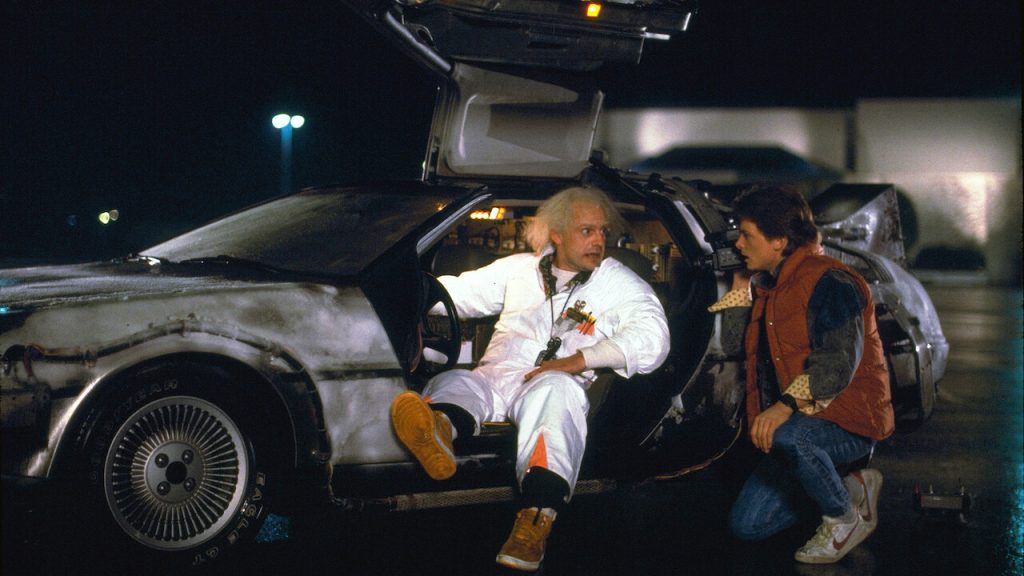
This formative experience shaped Roshan’s understanding of visual storytelling and gave him deep appreciation for the technical craftsmanship required to create compelling cinematic experiences. His personal investment in VFX excellence makes his defense of filmmakers particularly meaningful, as he understands both the artistic vision and technical challenges involved.
Defending Filmmakers’ Courage and Vision
Rather than dismissing critical reactions outright, Roshan offered qualified praise for filmmakers attempting ambitious projects. He highlighted films like Kalki, Baahubali, and Ramayana alongside his father Rakesh Roshan’s work on Koi Mil Gaya and Krrish as examples of genuine cinematic courage. “Today some special humans among us, like the makers of films like Kalki, Baahubali, Ramayana, (also my dad for Koi Mil Gaya and Krrish of course) are my heroes,” Roshan wrote. “They have the guts and vision to do what’s never been done—all for the love of cinema so that we get to experience something never watched before.”
Roshan emphasized the substantial financial and temporal risks undertaken by these filmmakers. “From my point of view they risked all that money, and years and years of effort just so another 11-year-old kid could feel what I felt. To me that’s noble. The intention by itself deserves applause! I am proud of my fellow Indians.”
| Key Points of Hrithik’s Position | |
|---|---|
| Acknowledges | Bad VFX does exist and can be painful |
| Praises | Filmmakers’ courage in attempting something new |
| Emphasizes | Thousands of artistes work round the clock |
| Advocates | Informed, aware criticism of visual effects |
| Criticizes | Dismissing work based on stylistic preference |
Understanding Different VFX Styles
A central element of Roshan’s argument concerns the distinction between different VFX approaches. He explains that not all films pursue photorealism, and judging stylized or “storybook” visual styles against photorealistic standards represents unfair criticism. “Bad VFX is if the movie promises say ‘photorealism’ but is unable to inhabit it fully. Even a small lapse in physics/gravity can then destroy the entire illusion,” Roshan stated. “Or the promise is of storybook style but they fail in making it beautiful enough or artistic enough or divine enough and so fails to engage. But to say that the storybook style is not looking photorealistic—isn’t fair. Cause it’s not meant to be.”
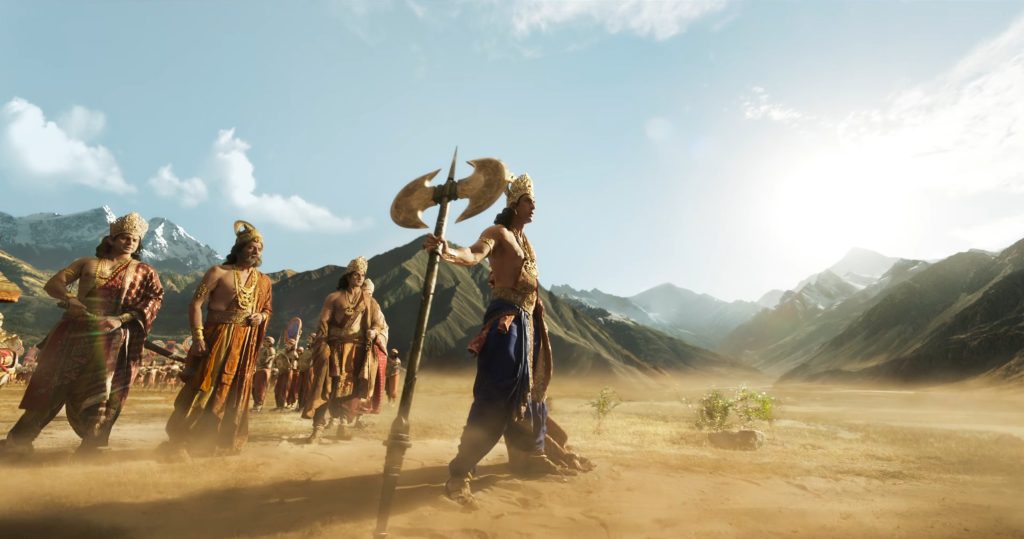
This distinction proves crucial for understanding how to evaluate visual effects properly. A film deliberately pursuing a stylized, divine aesthetic should be judged on its success in achieving beauty, artistry, and emotional resonance within that chosen framework, not against an entirely different visual standard.
The Artisanship Behind Large-Scale Productions
Roshan emphasizes that VFX-heavy films require massive collaborative efforts spanning years. “It takes thousands of our artistes working round the clock for multiple years to bring VFX heavy films to life so the least we can do is bash them with some better awareness!” he wrote. This statement reframes the conversation from whether VFX looks realistic to acknowledging the sheer human effort, dedication, and skill involved in creating these visual experiences.
A Call for Informed Criticism
Rather than dismissing all criticism, Roshan advocates for thoughtful, informed critique. He encourages audiences to ask foundational questions before passing judgment: “Next time don’t just ask, ‘Is it real?’ First ask, ‘Is it right for the story?’ and ‘Is it making me feel what the maker intended?’ Debate it. But debate it with awareness.“
In a follow-up comment responding to a fan’s question about how audiences can train their eyes to appreciate VFX intent rather than just realism, Roshan offered straightforward advice: “I guess—wait till you watch the entire movie before you judge. Till then hold your opinion.” This suggestion advocates for patience and withholding final judgment based on short teaser footage alone.
The Context of Ramayana Backlash
Ramayana’s teaser, released on April 2, 2026, sparked immediate online debate. While many praised the scale, grandeur, and musical score, some social media users criticized portions of the VFX, with certain comments comparing visual elements to “video game” aesthetics. The division of opinions reflected broader questions about how audiences assess visual effects in high-budget mythological dramas.

Roshan’s intervention provides industry perspective on what might be stylistic choices serving narrative purposes, rather than technical failures. His approach acknowledges legitimate VFX criticism while advocating for standards applied with awareness of a film’s specific aesthetic vision.
Read More: Pallichattambi Trailer Out: Tovino Thomas Leads Epic Period Action Drama