BAN68/3 (29.2 ov)
 WI356
 AFG
 ZIM488/8 (129 ov)
 MS-W0/1 (0.1/20 ov, target 161)
 SS-W160/5
 FC Goa
 BFC
 HSV
 BMG
 VEN
 UDI
 TOU
 STR
 EVE
 COV
 SEV
 ALA
 NZ
 IND
 Inter Kashi
 SC Delhi
 AZ Alkmaar1
 Juventus2
 Leverkusen0
 Marseille1
 Benfica3
 Lech Poznan1
 Celta Vigo1
 Union SG2
 UGA-W
 NAM-W
 KAY55/5 (11/20 ov, target 177)
 SPR176/6
 MOUNT116/6 (32.4/50 ov)
 ROCKS
 TUSK
 RHINO165/6 (32/50 ov)
 DMJIR290 & 134/5 (46 ov) (f/o)
 HYD-R519/8d
 KRBLS280 & 2/1 (2 ov)
 SRB241 & 388/5d
 FSLB259 & 54/1 (26 ov) (f/o)
 PRB503/4d
 LAHW234 & 40/4 (17 ov, target 412)
 FATA362 & 283
 ISB215 & 163/6 (51 ov)
 MUL327
 WI-A
 LIONS
 MR-W
 AS-W
 BH-W
 HH-W
 CHR
 POA
 RWA-W
 USA-W
 EASTN
 DOLPH
 ST-W166 (19/20 ov, target 184)
 PS-W183/3
 WAR138/7 (20 ov)
 BOL138/5
 BIK83
 KAG86/1 (9.4/20 ov, target 84)
 JAB133/8 (20 ov, target 150)
 LUL149/8
 IND19129/0 (19.1/50 ov, target 129)
 NEP19128
 ADE0
 WEL1
 SYD2
 CCM0
 Leeds
 Spurs
 Celtic3
 Besiktas2
 Hapoel Be'er0
 OFI Crete2

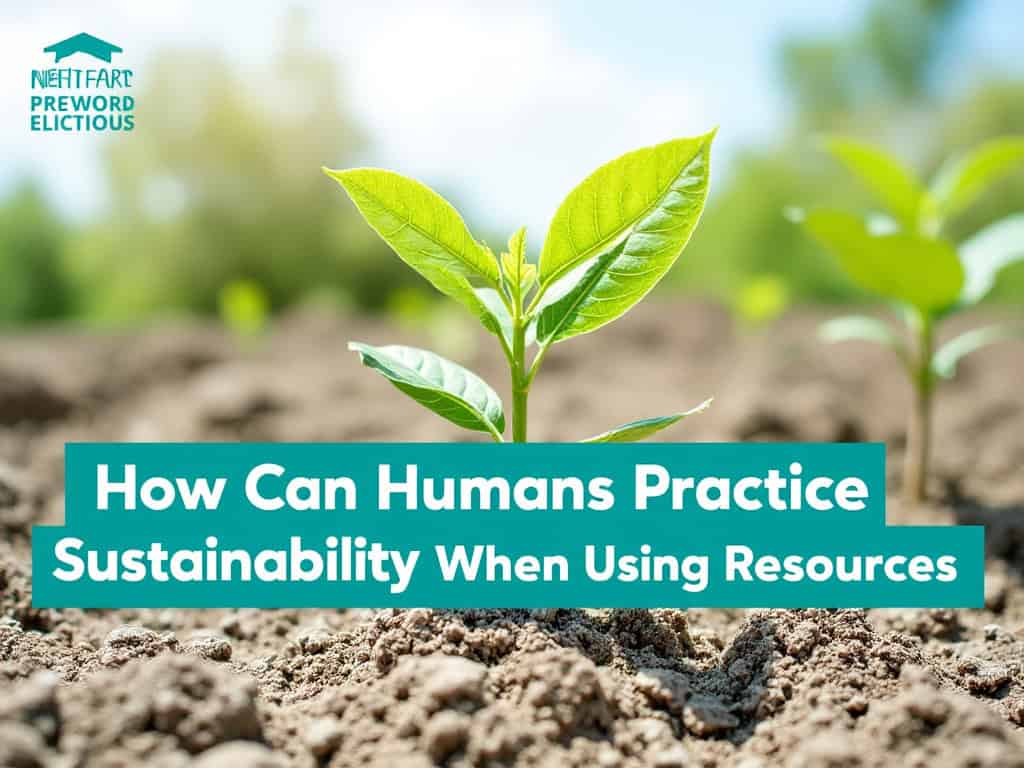
How Can Humans Practice Sustainability When Using Resources? – All You Need to Know in 2024
In today’s world of rapid industrial growth and high consumption, sustainability has become essential for protecting our planet and future generations. It focuses on managing resources responsibly to meet current needs without depleting them for the future.
As the global population grows and resources become scarcer, individuals, communities, and businesses must adopt sustainable practices. This involves reducing waste, conserving energy, and promoting fair resource distribution to create a balanced and sustainable future.
I. Introduction
Sustainability refers to meeting our current resource needs without compromising the ability of future generations to meet theirs. With the world’s population growing rapidly, humans need to practice sustainable resource use to ensure a healthy planet and economy for future generations. Practising sustainability helps preserve the environment, ensures economic stability, and promotes social equity.
II. Understanding Resources
A. Types of Resources
Resources are divided into two categories: renewable and non-renewable. Renewable resources, such as solar energy, wind, and timber, can naturally replenish over time. Non-renewable resources, like fossil fuels and minerals, are finite and deplete with use. Each type requires responsible use to maintain balance in nature.
B. The Concept of Natural Capital
Natural capital refers to the world’s natural assets—such as water, forests, and soil—that provide valuable ecosystem services like clean air, water purification, and food production. Protecting natural capital is essential for long-term sustainability, as it helps preserve the resources that humans rely on for survival and economic activity.
III. The Three Pillars of Sustainability
A. Environmental Sustainability
Environmental sustainability focuses on preserving ecosystems and biodiversity to ensure that resources remain available. Practices like recycling, using renewable energy, and reducing deforestation are key to minimizing environmental impact. By reducing pollution and conserving natural habitats, humans can support healthy ecosystems.
B. Economic Sustainability
Economic sustainability aims to balance resource use with continued economic growth. This involves implementing sustainable business practices that reduce waste, lower carbon footprints, and improve resource efficiency. Companies can use renewable energy sources and focus on circular economy principles, where products are designed for longevity and recyclability.
C. Social Sustainability
Social sustainability addresses equitable access to resources for all. It emphasizes fairness and social justice, ensuring that marginalized communities have the same opportunities to access clean water, food, and energy. Policies that promote fair trade, education, and healthcare are crucial for maintaining a sustainable society.

IV. Practical Strategies for Sustainable Resource Use
A. Individual Actions
Every person can contribute to sustainability by reducing their waste and consumption. Simple changes like adopting a zero-waste lifestyle, using sustainable transportation options like biking or public transport, and supporting eco-friendly products can make a difference.
B. Community Engagement
Communities play a significant role in sustainability. Local initiatives like community gardens and recycling programs help reduce waste and promote sustainable living. Education and awareness programs are also essential in encouraging collective action toward sustainability.
C. Corporate Responsibility
Many companies are adopting sustainable practices, recognizing their responsibility to reduce environmental impact. For example, companies like Unilever have committed to reducing their carbon footprint, using sustainable materials, and promoting ethical sourcing. Corporate governance is vital in ensuring that sustainability is at the forefront of business decisions.
V. Policy and Governance for Sustainability
A. Role of Government
Governments can drive sustainability through legislation and policies that encourage environmentally friendly practices. Laws supporting green public procurement, renewable energy incentives, and recycling mandates can have a significant impact. International agreements like the UN Sustainable Development Goals (SDGs) provide a framework for countries to work toward a more sustainable future.
B. Multi-Stakeholder Approaches
Sustainability requires collaboration among governments, NGOs, businesses, and citizens. Inclusive decision-making processes allow diverse stakeholders to share their perspectives and create more effective solutions. Cooperation between these groups helps ensure that sustainability initiatives are well-rounded and beneficial for all.

VI. Challenges to Sustainable Resource Use
A. Overconsumption and Waste
Overconsumption of resources leads to depletion and environmental degradation. For instance, excessive plastic use has led to widespread pollution, harming marine life and ecosystems. To combat this, sustainable consumption patterns must be adopted globally.
B. Economic Pressures
Balancing economic growth with sustainability is a challenge, especially for developing countries. The immediate need for economic advancement can often conflict with long-term sustainability goals. However, with proper planning and investment in green technologies, it’s possible to create sustainable economic growth.
VII. Conclusion
Sustainable resource use is critical for ensuring a healthy planet and economy for future generations. By adopting sustainable practices at individual, community, corporate, and governmental levels, we can make a meaningful impact. Let’s take action now—whether it’s reducing waste, supporting sustainable businesses, or advocating for policy changes—to build a more sustainable future.
Pledge for a Sustainable Future
Make sustainability part of your daily life by reducing waste, conserving energy, and supporting eco-friendly products. Together, we can protect the planet for future generations.


FAQs
1. What is sustainability?
2. Why is sustainable resource use important?
3. What are renewable and non-renewable resources?
• Non-renewable resources are finite, such as fossil fuels and minerals, which deplete as they are used and cannot be easily replaced.
4. What are some practical ways individuals can practice sustainability?
Individuals can practice sustainability by:
• Reducing waste and adopting a zero-waste lifestyle
• Using energy-efficient appliances and renewable energy sources
• Opting for sustainable transportation methods like biking or public transit
• Supporting eco-friendly brands and products
5. How can businesses practice sustainability?
Businesses can implement sustainable practices by:
• Reducing carbon emissions and waste
• Using renewable energy and sustainable materials
• Incorporating circular economy principles, like recycling and reusing products
• Ensuring fair labor practices and promoting social equity
6. What is the role of government in promoting sustainability?
Governments play a crucial role in sustainability by:
• Enacting legislation that promotes green practices (e.g., recycling laws, renewable energy incentives)
• Supporting international agreements like the UN Sustainable Development Goals (SDGs)
• Creating public policies that encourage businesses and individuals to adopt sustainable behaviours
7. What are the three pillars of sustainability?
The three pillars of sustainability are:
• Environmental sustainability: Protecting ecosystems and biodiversity through practices like recycling and renewable energy use.
• Economic sustainability: Balancing resource use with economic growth by promoting sustainable business practices.
• Social sustainability: Ensuring fair access to resources and promoting social justice through equitable resource distribution.
8. What challenges are associated with sustainable resource use?
Some challenges include:
• Overconsumption: The rapid use of resources leads to depletion and environmental degradation.
• Economic pressures: Balancing immediate economic needs with long-term sustainability goals, especially in developing countries.
• Lack of awareness: Many individuals and businesses are unaware of the benefits and importance of sustainability.
9. How does corporate responsibility impact sustainability?
10. How can community engagement promote sustainability?
Communities can promote sustainability through:
• Organizing local initiatives like recycling programs and community gardens
• Creating educational programs that raise awareness about sustainability
• Encouraging collective action through local events and campaigns