SA291/6 (70 ov)
 AUS
AUS AFG25/3 (5.1/20 ov)
 ZIM
ZIM SAS
SAS LAZ
LAZ ROMA
ROMA CAG
CAG TOR
TOR COMO
COMO BAN
BAN WI
WI IND-W
IND-W ZIM-W
ZIM-W GOA
GOA SC Delhi
 Milan
Milan Bologna
 Parma
Parma Udinese
 ABH0
ABH0 ALF1
ALF1 PAK110
 SL114/2 (18.1/50 ov, target 111)
 NAM316/7
 IRE253 (44.5/50 ov, target 317)
 NZ198/3
 IND199/4 (13.2 ov)
 JER
JER KUW
KUW JAB113 (19.3/20 ov, target 133)
 KAY132/9
 SIKM184
 NAGA187 & 46/4 (34 ov)
 JHK131/4 (47 ov)
 DELHI515/5d
 ODSA194
 SVCS13/0 (5 ov)
 BRODA616
 J & K6/0 (4 ov)
 CHD685/5d
 HP49/0 (14 ov)
 CGR216/8 (95 ov)
 AP231
AP231 HYD193/2 (54 ov)
 PNJB431
 KNTKA297/7 (95 ov)
 TPURA194
 AUCK
AUCK CANT
CANT CD
CD ND
ND DEN
DEN QAT
QAT KENYA
KENYA POA
POA SPR
SPR BRB
BRB VAG
VAG NED371/5
 OMA265 (49.3/50 ov, target 372)
 PNG155
 BIK149 (19.3/20 ov, target 158)
 CHR157/3
 Venezia
 Inter Milan
 Genoa
Genoa Juventus
 Sevilla2
 Osasuna0
 PSG2
PSG2 Lyon0
Lyon0 Mohun Bagan1
 Chennaiyin0
 BEI2
BEI2 JHM2
JHM2 RCH0
RCH0 KRE0
KRE0
Pep Guardiola’s journey with Manchester City showcases a decade-long lesson in adapting tactics, reshaping the modern Premier League.
Since he joined the club, we’ve seen constant adjustments in tactical approaches. Guardiola transitioned from pure possession football to a more adaptable hybrid system that balances strong defense with attacking creativity. This evolution isn’t just about who plays; it’s about how he brings together top-notch talent to keep the team performing at a high level during the demanding 2026 domestic and European schedules.
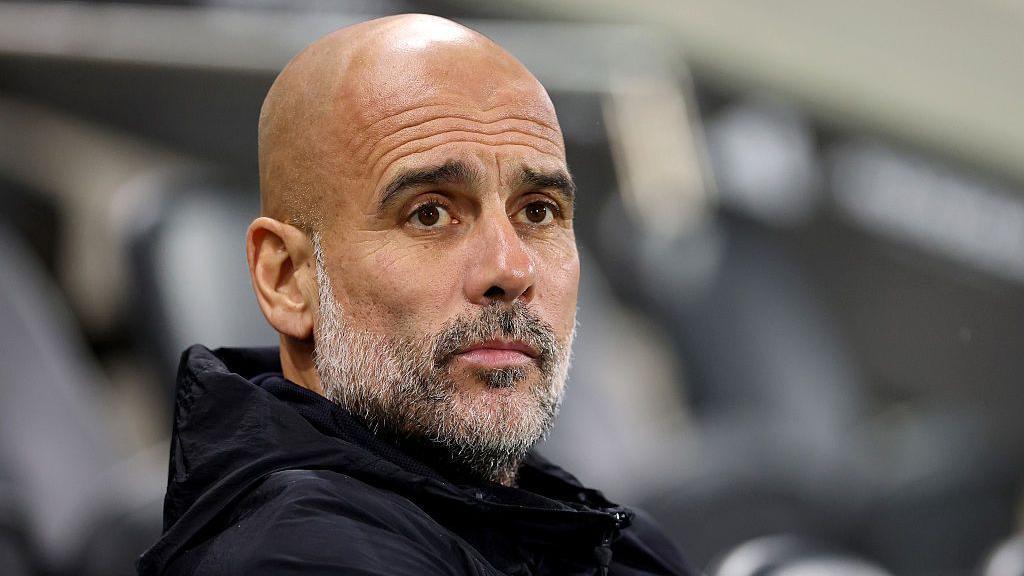
Manchester City: Tactical Shifts and Squad Integration
The heart of this evolution lies in how players are deployed to make tactical adjustments during matches. The squad depth in 2026 focuses heavily on versatility, with players like Ruben Dias forming the backbone of a solid defense. Guardiola’s emphasis on tactical discipline, as we noted in earlier reports, allows for smooth transitions between a low block and a high-pressure style. For more details, check out BBC Sport.
When integrating new signings, Guardiola’s method is precise, ensuring that every player fits the exact high-demand profile needed for his intricate passing patterns and positional shifts.
| Tactical Focus | Strategic Objective |
|---|---|
| High Press Intensity | Disrupting opposition build-up play in the final third |
| Central Overloads | Creating numerical superiority to bypass midfield lines |
| Defensive Solidity | Maintaining shape during rapid counter-attacking transitions |
Not everyone sees eye to eye with this meticulous approach. Some critics argue that constantly changing the starting lineup can break team chemistry, especially during the high-pressure moments of a FIFA Club World Cup campaign. But data shows a different picture; the team’s knack for keeping high possession rates while minimizing dangerous chances against them sets a high standard in Europe.
It’s this relentless drive for tactical excellence that keeps Manchester City ahead. Even when individual player performance varies, the team remains strong. For more insights, visit BBC Sport.
Impact on Global Football Standards
Guardiola’s influence reaches far beyond the Etihad, creating a blueprint that many clubs across the globe now use. His focus on technical ability for every position—even for goalkeepers—has sparked a worldwide shift in how youth academies train young talents. If we look at the current World Cup squads, the rise of inverted fullbacks and ball-playing center-backs directly reflects the tactical trends from this Manchester City era.
What happens on the field resembles an advanced version of “Total Football.” Players are no longer confined to fixed positions; instead, they excel by effectively using space. As we approach the rest of the 2026 season, the current squad’s depth will need to endure the physical demands of competing for every major trophy. If the team maintains its current form, Guardiola’s tactical blueprint will likely shape the next wave of managers, especially in India’s 2026 analysis of elite European football. The evolution is ongoing, and we can expect to see even more tactical innovations as the season progresses.
FAQs
How does Guardiola adapt his squad for different tactical challenges?
Guardiola employs a hybrid formation strategy, often switching between a 4-2-3-1 and a 3-2-4-1 based on the opponent’s defensive setup to ensure control through the center.
Why is defensive solidity a priority for the 2026 City squad?
Modern football demands high-intensity pressing, which can create space behind the defense; thus, keeping a disciplined shape is crucial to prevent dangerous counter-attacks.
How has this tactical evolution impacted youth development?
Guardiola’s success has set a new standard for technical skills across all positions, influencing how academies around the world train players to feel comfortable with the ball.