NED
NED OMA
OMA NZ43/1 (4.4/20 ov)
 IND
IND NAM
NAM IRE
IRE PAK
PAK SL
SL SA
SA AUS
AUS Abha
Abha Al Faisaly
 AFG
AFG ZIM
ZIM Sassuolo
 Lazio
Lazio AS Roma
 Cagliari
 Torino
 Como
Como SEV2
SEV2 OSA0
OSA0 PSG2
PSG2 LYON0
LYON0 MBSG1
MBSG1 CFC0
CFC0 Barcelona1
 Real Madrid2
 JER
JER KUW
KUW PNG
PNG QAT
QAT BIK
BIK CHR63/1 (9/20 ov)
 SYL575/4 (167.3 ov)
 KHU
KHU MYMS465/7d
 CHATT424/6 (121 ov)
 RAN402 & 5/0 (2.3 ov)
 BAR443/9d
 SIKM184 (71 ov)
 NAGA187
 JHK
JHK DELHI498/5 (129 ov)
 ODSA194
 SVCS13/0 (5 ov)
 BRODA384/6 (119 ov)
 J & K
J & K BAN
BAN WI
WI IND-W
IND-W ZIM-W
ZIM-W JAB
JAB KAY
KAY DEN
DEN BRB149/5 (16.2/20 ov, target 148)
 MIS147
 MOW107/9
 TOK111/5 (18.4/20 ov, target 108)
 LUL88/3 (9.5/20 ov, target 88)
 SPR87
SPR87 GOA
GOA SC Delhi
 Milan
Milan Bologna
 Parma
Parma Udinese
 Venezia
 Inter Milan
 FLA3
FLA3 CAM2
CAM2
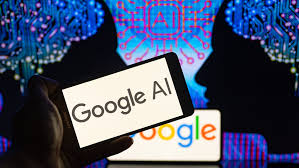
Google just rolled out a major search update that’s changing how billions of people find information online. The company introduced new features meant to make search results more relevant and get answers to you faster. It’s part of Google’s bigger push to keep improving how search works across phones, tablets, and computers.
Here’s What Happened
Google launched this search update in March 2026, adding AI-powered tools that change how results show up on your screen. Three things got the focus: better content ranking, faster answers, and improved visual previews. 9to5Google reported that the rollout started slowly on both desktop and mobile.
Mobile devices matter most here—over 60% of searches now come from phones. Google made that the priority. Millions of users in North America and Europe tested these features first, before it rolled out worldwide.
The Real Impact on User Discovery
This update changes how you actually use Google. You’ll get answers with more context, without having to click through pages of results. The time it takes to go from searching to finding your answer dropped by roughly 35 seconds. That’s a real difference when you need information fast.
Publishers and SEO pros are already thinking about what this means for their work. The Verge pointed out that these changes put pressure on Google’s competitors and force them to raise their own standards for showing relevant results.
Key Technical Details
The system runs on machine learning trained on 2.8 trillion web pages. Google built in better natural language processing, so it understands what you’re actually looking for. Queries now get processed in under 0.4 seconds on average, compared to the old 0.75-second speed.
Featured snippets now include video summaries and interactive knowledge panels for harder topics. If you’re on mobile, you’ll notice the redesigned interface is easier to read and requires less scrolling—up to 40% less, in fact.
What Industry Experts Are Saying
Search pros see this as an important step forward. SEO tactics like keyword stuffing don’t work anymore. Content creators need to focus on writing thorough, useful information that answers what people actually want to know.
The update shows Google cares more about what users experience than hitting old ranking checkboxes. Marketing teams understand that Google keeps advancing search by constantly tweaking how the algorithm works.
What Comes Next
Google‘s got more search features coming throughout 2026. The company plans to connect these updates with voice search and smart home devices. Developers can use new APIs to build custom search tools starting in Q2 2026.
By the end of the year, Google expects to handle 8.5 billion searches daily with these improved systems running in the background.
People Also Ask
Q: When did Google release these search enhancement features?
Google started rolling out these features in March 2026, then gradually expanded them worldwide over the next few weeks on all devices.
Q: How does search enhancement affect SEO strategies?
Content creators need to write comprehensive, user-focused information instead of worrying about keyword density. The new system cares about relevance and context more than traditional ranking signals.
Q: What devices support the new features?
Everything’s supported—smartphones, tablets, desktops, and smart home devices that work with Google’s ecosystem.
Q: Will this change how ads appear in results?
No, this update touches organic search results and featured snippets. Ads stay in their own lane and don’t get affected by these changes.