SA329 (82.3 ov)
 AUS
AUS FLE1
FLE1 ARS1
ARS1 BAN
BAN WI
WI IND-W
IND-W ZIM-W
ZIM-W GOA
GOA SC Delhi
 Milan
Milan Bologna
 Parma
Parma Udinese
 Venezia
 Inter Milan
 Genoa
Genoa Juventus
 Monza
Monza Napoli
 ROMA4
ROMA4 CAG2
CAG2 TOR1
TOR1 COMO3
COMO3 SAS2
SAS2 LAZ6
LAZ6 AFG177
 ZIM140 (19.1/20 ov, target 178)
 AUCK
AUCK CANT
CANT CD
CD ND
ND SIKM184
 NAGA187 & 46/4 (34 ov)
 JHK131/4 (47 ov)
 DELHI515/5d
 ODSA194
 SVCS13/0 (5 ov)
 BRODA616
 J & K6/0 (4 ov)
 CHD685/5d
 HP49/0 (14 ov)
 CGR216/8 (95 ov)
 AP231
AP231 HYD193/2 (54 ov)
 PNJB431
 KNTKA297/7 (95 ov)
 TPURA194
 KER101/6 (35 ov)
 BENG350
 UAE
UAE OMA
OMA ENG
ENG SL
SL DEN
DEN QAT
QAT KENYA
KENYA KUW
KUW POA
POA SPR
SPR BRB
BRB VAG
VAG PAK110
 NAM316/7
 IRE253 (44.5/50 ov, target 317)
 NZ198/3
 IND199/4 (13.2/20 ov, target 199)
 NED371/5
 JAB113 (19.3/20 ov, target 133)
 KAY132/9
 DON2
DON2 EXT3
EXT3 MNR0
MNR0 AND2
AND2 PEN1
PEN1 CLY1
CLY1 HUE1
HUE1 RAY1
RAY1 Gamba Osaka
 Buriram
 Kashima
 Pohang Steelers
 ABH0
ABH0 ALF1
ALF1 Sevilla2
 Osasuna0
 PSG2
PSG2 Lyon0
Lyon0
Goalkeeper gloves aren’t just another piece of kit—they’re the gear that can make or break a keeper’s night. In 2026, picking the right pair feels trickier than ever. Brands keep one-upping each other with new materials and grip tech, but let’s be honest, the basics still decide who shines between the posts. The right gloves can mean a fingertip save or a heartbreaker fumble. So, how do both pros and weekend goalies choose smartly this year? Hint: it’s not just about the price tag. And if you’re curious about how football gear has changed over time, have a look at our guide to Top Football Documentaries.
Goalkeeper Gloves: Breaking Down Grip, Fit, and Durability in 2026
Let’s not sugarcoat it—no two gloves feel the same when the game’s on the line. Here’s what’s really happening in 2026: glove makers have ditched the “one-style-fits-all” approach and gone all-in on specialization. Pros look for latex palms with high-end grip (Hybrid and Contact foams are king right now) but, if you’re playing for fun, you might care more about how long your gloves last than how sticky they feel. According to Goal, hybrid cuts are trending—roll fingers give you more to grab the ball with, while negative cuts fit tight and snug.
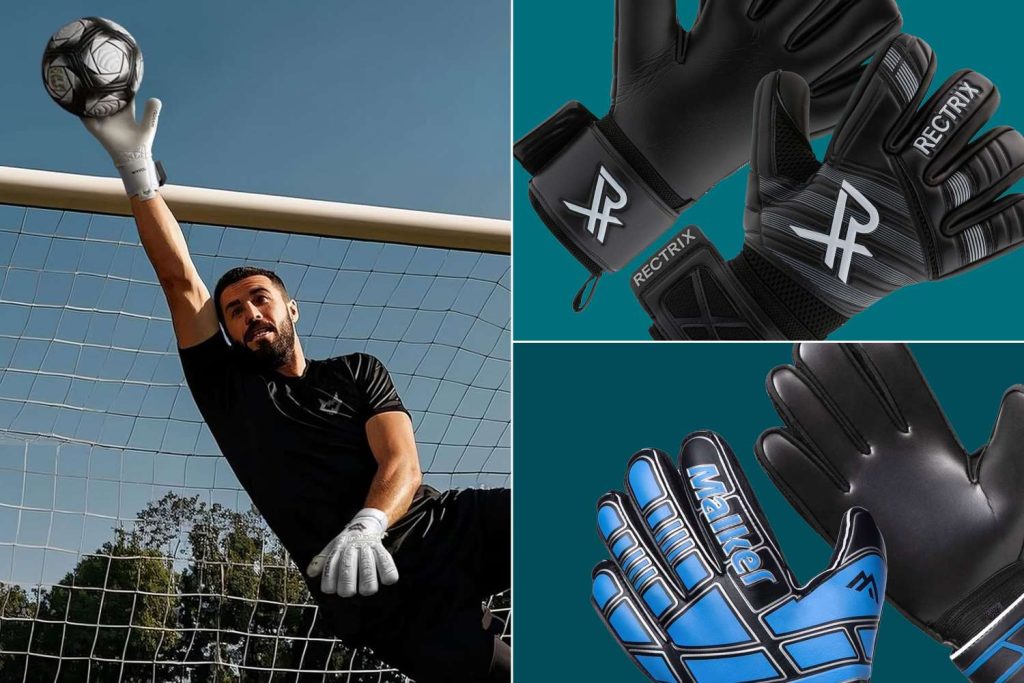
But let’s get real—nothing beats a glove that fits you right. Big-name endorsements aren’t gonna save you if your gloves are too loose when that corner comes in. Most keepers now go a size smaller for a snug fit. Still, don’t forget about wrist closures: elastic straps and classic Velcro can totally change how secure your gloves feel. Playing on artificial turf? You’ll want gloves that can take a beating. If you’re mostly on grass, grip jumps to the top of your priority list.
Here’s something a lot of reviews skip: climate. Gloves built for wet weather, loaded with sticky palm tech, can actually outperform top dry-weather gloves when it’s raining. But if you only play indoors or through hot summers, you really don’t need to pay extra for “anti-slip” tech. Honestly, that’s just overkill. Sure, Adidas Predator and Nike Vapor Grip3 are still everywhere, but keep your eye on brands like Reusch and HO Soccer—they’re winning over keepers with comfort and smart design.
Goalkeeper Gloves Comparison: Stats, Pricing, and Brand Performance
Numbers tell the real story. When you look at the best gloves of 2026, you start to see clear differences in grip and how long the palms hold up after 50 games. Check out this quick table with some of the top choices:
| Brand/Model | Grip Score (1-10) | Palm Durability (matches) | Avg. Price (₹) |
|---|---|---|---|
| Adidas Predator Pro | 9.4 | 30 | 7,500 |
| Nike Vapor Grip3 | 9.2 | 28 | 8,000 |
| Reusch Pure Contact | 8.8 | 35 | 6,200 |
| HO Soccer Supremo | 8.5 | 34 | 5,500 |
Here’s something worth thinking about: a bigger price tag doesn’t always mean better performance. Take HO Soccer, for instance—their gloves last longer than you’d expect at that price. If you train every day, you’ll need something that stands up to wear and tear. But if you’re just starting, there’s no need to splash out on the priciest pair right away. Want more on what’s up in football? Check out the latest on Chelsea vs Manchester City: