MEX-W
 ARG-W
 RBNY1
 MIA0
 Palmeiras1
 Bragantino0
 Vasco1
 Corinthians2
 Chapecoense1
 Fluminense0
 UAE
 NED
 PAK
 ENG
 IND-W
 ZIM-W
 GMB
 LES
 MOZ
 ZMB
 Inter Milan
 Fiorentina
 Churchill
 Punjab FC
 NGA
 UGA
 ATM1
 DEP0
 LAZ2
 PAR1
 RCL2
 PAR1
 RIY2
 TAA1
 NZ-A164/5 (51.2 ov)
 IND-A113
 SYL
 KHU
 MYMS299/4 (87 ov)
 CHATT
 DHA293/3 (84.1 ov)
 RAJ
 RAN320/5 (80 ov)
 BAR
 DEN
 PNG
 NAM321/6
 IRE290 (47.3/50 ov, target 322)
 NZ180/5
 IND181/6 (19.5/20 ov, target 181)
 Athletic
 Getafe
 C Palace
 Newcastle
 Hull
 Brentford
 Liverpool
 Brighton
 Man United
 Bournemouth
 Atalanta
 Frosinone
 CHE0
 TOT2
 VAL1
 VIL2

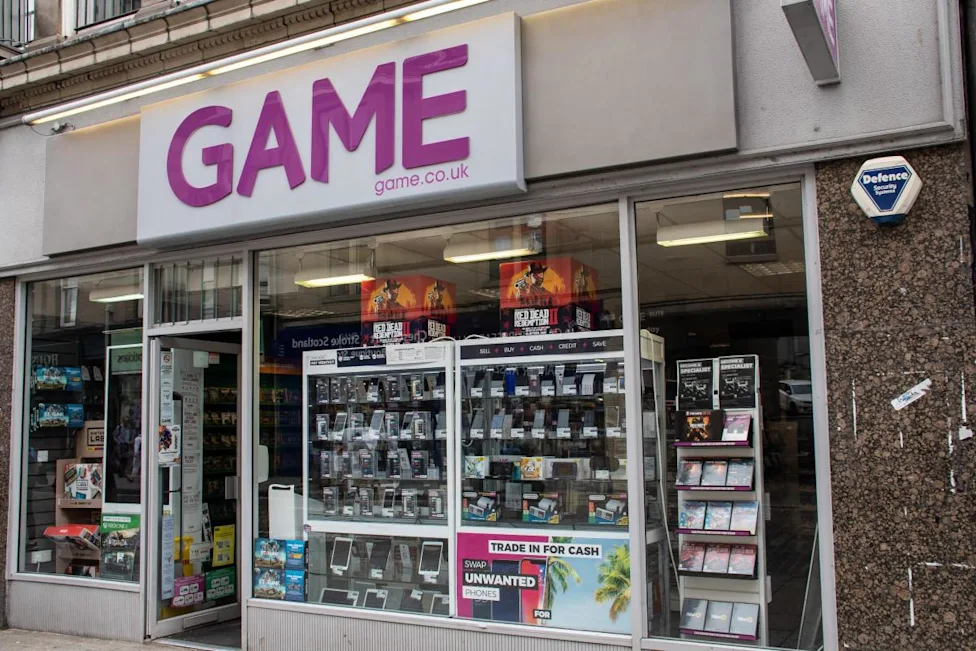
The UK retailer has a gaming scene that took a major hit when Game filed for insolvency on July 20, 2026. The retailer struggled under a hefty debt of nearly £16 million, signaling a crucial moment for physical game sales in a world that’s increasingly leaning digital.
Overview of UK Retailer Game’s Financial Collapse
The game’s financial struggles didn’t happen overnight; they built up over the years, leading to this dramatic collapse. Once a go-to destination for gaming fans, the retailer faced various operational hurdles that ultimately pushed it towards insolvency. That reported £16 million debt reveals serious underlying problems, clearly showing that Game couldn’t keep pace with the rapidly changing retail environment.
Background on Game’s Debt Accumulation
Back in the early 2020s, Game’s sales began to drop, largely due to the rise of digital downloads and online marketplaces that offered more convenience. As gamers flocked to platforms like Steam and the Epic Games Store, foot traffic at Game’s physical stores dwindled. This revenue drop forced the company to lean on loans and credit, leading to unsustainable debt growth.
Key Factors Leading to Insolvency
Several elements played a role in Game’s financial downfall. The relentless shift toward digital gaming diminished the need for physical stores. On top of that, competition from e-commerce giants made it even harder for Game to keep its market share.
The COVID-19 pandemic only made things worse, as lockdowns temporarily shut down stores, resulting in massive losses. All these factors combined to create a perfect storm, leaving the company unable to meet its financial obligations.
Implications for the UK Retailer Game Sector
Game’s collapse serves as a warning for the physical retail sector, particularly in the gaming industry. As things change, retailers need to rethink their strategies to survive.
Impact on Employees and Stakeholders
The fallout from Game’s insolvency will hit employees hard, as many now face uncertainty about their jobs. The company’s closure will also affect suppliers, partners, and other stakeholders who depended on its business for income. This loss will ripple through the local economies where Game had operated.
Industry Response and Future Outlook
The gaming industry is responding with concern. Many experts are now questioning whether traditional retail can survive against the backdrop of significant digital competition.
Analysts believe retailers need to innovate, perhaps by boosting online sales channels or creating unique in-store experiences to draw in customers. The future of retail will likely depend on how quickly and effectively companies can adapt to this new environment.
FAQs: UK Retailer Game
What led to Game’s financial troubles?
Game’s financial woes came from declining sales due to the growth of digital gaming and increased competition from online retailers.
How will this affect consumers?
Consumers might find fewer options for purchasing physical games, pushing them to rely even more on digital platforms.
What are the potential repercussions for the retail industry?
Game’s collapse could prompt other retailers to rethink their business models, especially in the gaming sector, and might lead to more closures if they don’t adapt.
Are there any plans for restructuring or recovery?
As of now, there haven’t been any announcements regarding plans for restructuring or recovery following Game’s insolvency.
Game’s financial collapse highlights the challenges brick-and-mortar retailers face in the gaming industry. As the shift to digital continues, the survival of physical retail might depend on their ability to innovate and respond to changing consumer preferences.