
 SA329 (82.3 ov)
 AUS
AUS BAN
BAN WI
WI IND-W
IND-W ZIM-W
ZIM-W GOA
GOA SC Delhi
 Milan
Milan Bologna
 Parma
Parma Udinese
 Venezia
 Inter Milan
 Genoa
Genoa Juventus
 Monza
Monza Napoli
 ROMA4
ROMA4 CAG2
CAG2 TOR1
TOR1 COMO3
COMO3 SAS2
SAS2 LAZ6
LAZ6 AFG177
 ZIM140 (19.1/20 ov, target 178)
 AUCK
AUCK CANT
CANT CD
CD ND
ND SIKM184
 NAGA187 & 46/4 (34 ov)
 JHK131/4 (47 ov)
 DELHI515/5d
 ODSA194
 SVCS13/0 (5 ov)
 BRODA616
 J & K6/0 (4 ov)
 CHD685/5d
 HP49/0 (14 ov)
 CGR216/8 (95 ov)
 AP231
AP231 HYD193/2 (54 ov)
 PNJB431
 KNTKA297/7 (95 ov)
 TPURA194
 KER101/6 (35 ov)
 BENG350
 UAE
UAE OMA
OMA ENG
ENG SL
SL DEN
DEN QAT
QAT KENYA
KENYA KUW
KUW POA
POA SPR
SPR BRB
BRB VAG
VAG PAK110
 NAM316/7
 IRE253 (44.5/50 ov, target 317)
 NZ198/3
 IND199/4 (13.2/20 ov, target 199)
 NED371/5
 JAB113 (19.3/20 ov, target 133)
 KAY132/9
 Gamba Osaka
 Buriram
 Kashima
 Pohang Steelers
 ABH0
ABH0 ALF1
ALF1 Sevilla2
 Osasuna0
 PSG2
PSG2 Lyon0
Lyon0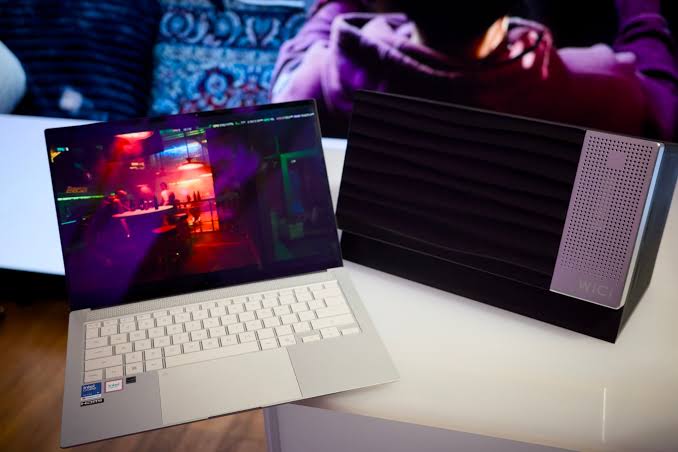
Old-school GPUs still need bulky cables, and cloud AI tools usually ask for monthly subscriptions. A new standalone unit drops those headaches completely. The first wireless GPU hits stores on November 15, 2026, carrying a confirmed retail price.
Why Does A Wireless Graphics Card Matter Right Now?
Compute power is finally breaking free from physical ports. Earlier tries ditched cables but crippled performance. This generation targets pros who won’t trade frames for freedom.
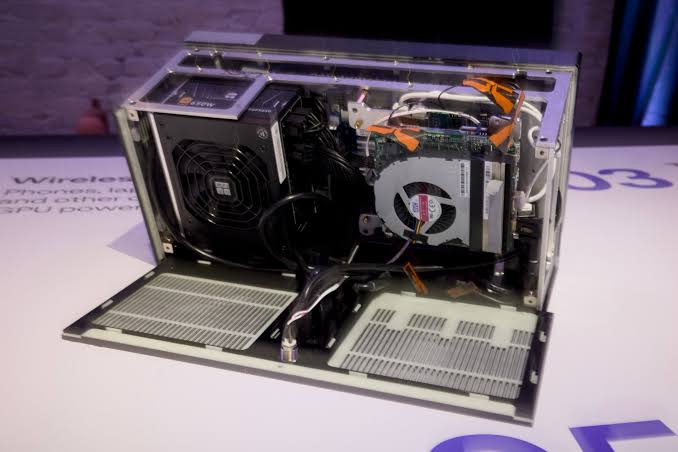
This hardware finally proves that untethered mobility doesn’t mean giving up desktop-grade rendering. Gamers and editors can now step away from their desks without hunting for external docks. That shift throws a wrench in legacy setups that beg for permanent cable management. We’ve looked at Wici GeForce Wireless concepts before, but this one actually looks viable. The whole industry is waking up to the fact that top-tier visuals don’t belong locked to a desk.
What Are The Reported Specifications For The First Wireless Unit?
The official drop happened Tuesday, October 6, 2026. It runs on an octa-core ARM Cortex-X4 chip built to crunch heavy math without breaking a sweat.
Reported memory configurations feature 64GB of GDDR6 VRAM alongside a bundled 2TB NVMe SSD for quick asset loading. You’ll likely get clean 8K output at 120Hz. A built-in 99Wh battery gives you some juice on the go before you need to plug in. Those numbers put it right in the ring with hefty workstation towers. Shops across Asia and Europe will probably list prices in local cash when it lands. It should crush heavy tasks, though nobody’s tested how hot it runs yet.
How Does It Actually Bypass Traditional Subscription Models?
Cloud rendering used to lock you into endless monthly fees for basic acceleration. This setup crunches machine learning jobs right on your device instead. Data zips over your home Wi-Fi network instead of paying tolls to remote servers.
Running things locally cuts down those nagging subscription costs. You buy the compute power once and keep it forever. You’ll still need a solid home connection to activate the software initially, though. Buyers will keep full ownership of their software stacks without companies breathing down their necks.
hardware“>When Will Consumers Be Able To Purchase This Hardware?
The store shelves fill up on November 15, 2026. Big tech retailers plan to stock these next to their best laptops. Folks in North America and Southeast Asia might snag one early, though we still don’t know the exact rollout map.
November 15, 2026, is the scheduled launch date for the hardware. Initial stock piling will probably control how fast orders ship, especially for gamers wanting to jump right in. Brands will watch regional sales closely before tweaking production numbers. This lean launch model aims to dodge the supply snarls that plague past flagships. Wireless graphics might start here, but only real-world sales will tell if this becomes the new norm. Check out Gizmodo for deeper dives.
FAQs
What makes this graphics card different from standard mobile GPUs?
It reportedly strips out physical video cables and handles AI tasks locally, though independent tests haven’t verified every claim yet.
Does the 99Wh battery support continuous gaming sessions?
The pack holds 99Wh, but actual playtime hinges on what you’re running. Official benchmarks are still missing.
Will existing PC games run on this standalone system?
The ARM chip and built-in storage should handle PC titles, but native compatibility hasn’t gotten an official thumbs-up.
How does the Wi-Fi connection affect input lag during gameplay?
Lag depends on the wireless build, your router, and how signals bounce between parts. Nobody’s dropped concrete latency numbers yet.
Is international shipping available for the November 15 launch?
The big day is November 15, 2026, but global shipping routes remain unconfirmed.
Was this article helpful?
Your feedback directly improves future articles on this site.


