PAK150/8 (31.6/50 ov, target 242)
 ENG241
 IND-W328/6
 ZIM-W150/3 (34.6/50 ov, target 329)
 NGA
 UGA
 ATH2
 GET0
 MEX-W
 ARG-W
 CRY0
 NEW0
 LIV0
 BHA0
 MON0
 LILL0
 HUL
 BRE
 MAN
 BOU
 ATA
 FRO
 GEN
 VEN
 TSG
 B04
 CEL
 BET
 AUX
 MNS
 ANG
 LOR
 INT2
 FIO1
 CHU2
 PFC3
 GMB112/9
 LES109 (19.5/20 ov, target 113)
 MOZ110/7 (19/20 ov, target 110)
 ZMB109/9
 DEN
 PNG
 MOUNT185
 TUSK186/4 (36.4/50 ov, target 186)
 ROCKS273/8 (47/50 ov, target 287)
 EAGLE286/7
 LIMWn
 NW-W
 NCWmn
 FsWm
 BOL137/9 (20 ov)
 TITNS137/8
 EASTN105/3 (11.4/20 ov, target 146)
 SA-EM145/8
 NWEST22/3 (3.1/20 ov, target 181)
 NCAPE180/3
 BRB
 MOW
 TOK
 MIS
 SIKM
 NAGA
 JHK
 DELHI
 ODSA
 SVCS
 CGR
 AP
 BRODA
 J & K
 UAE244/8
 NED245/7 (43.5/50 ov, target 245)
 KER0
 MCFC0
 Konyaspor2
 Genclerbirli0
 NEC0
 GRO1
 PSV1
 FEY0
 Motherwell0
 Hearts1
 EVE0
 AVL0
 LIV0
 LCL0
 Atlético1
 Deportivo0
 Lazio2
 Parma1
 Lens2
 Paris FC1
 Al Riyadh2
 Al Taawoun1
What happens to a title-driven squad when the best players leave—and the replacements don’t arrive at the same level? Newcastle’s summer window, as seen through Clinton Morrison’s pointed lens, became the test of Eddie Howe’s project almost as soon as it started. The before-and-after contrast is stark: midfield stability was prized, yet departures arrived faster than upgrades.
Here’s the thing: Morrison’s verdict—given in a FourFourTwo transfer column on 2024-08-30—lands on the core complaint that “Eddie Howe has been let down by the people above him,” with Newcastle selling key talent without matching quality in return, and he frames the window as a “huge disappointment” for Europe ambitions (FourFourTwo).

Before vs after: what changed for Newcastle and Howe?
Before the latest sequence of exits, Newcastle’s spine was treated as non-negotiable—especially the midfield that helped them compete at the business end. Morrison specifically links the quality of the group to the partnership impact of Bruno Guimarães alongside Joelinton and Sandro Tonali, describing it as first-class in terms of how that trio functioned together.
Then the catalyst: with Guimarães moving to Arsenal, Morrison argued Newcastle was forced to confront the reality that they needed to persuade their remaining top stars they could still win things. He names the internal challenge clearly: Alexander Isak, Bruno Guimarães, and Anthony Gordon are the players Newcastle “must” persuade to believe in the next step forward, not just survive the transition.
Afterward, the transfer picture looked like a missed opportunity for Europe. The same FourFourTwo column says Newcastle had not signed any players who improved their chances of qualifying for Europe or the Champions League, adding that this was a disappointment given stated goals and the expectations around chief executive Darren Eales (FourFourTwo).
Worth noting: other reporting around the same window flow says Newcastle had to navigate restrictions tied to profitability and sustainability rules, with Paul Mitchell arriving as sporting director in July. Separate coverage also states they were coming to terms with the sales of Sandro Tonali and Anthony Gordon, while Newcastle’s pursuit of £70 million Marc Guéhi was called off on Thursday morning, after Howe said the club “had not had the transfer window they wanted” (see BBC Sport updates at https://www.bbc.com/sport/football).
Side-by-side comparison: Morrison’s Newcastle transfer case, mapped
The argument Morrison makes is less about one deal and more about the pattern—selling first, replacing later (and in this instance, not at all). Here’s the clean side-by-side.
| Area | Before (project demand) | After (Morrison’s complaint) |
|---|---|---|
| Midfield identity | Guimarães, Joelinton, Tonali as a high-impact unit | No arrivals that raise Europe/Champions League odds |
| Player retention | Convince stars Newcastle can “still win things” | Stars must be persuaded amid departures |
| Window outcome | Strengthening pathway for Howe | “Huge disappointment” and “have not signed any players” |
| Transfer targets | Big-profile targets pursued | Month-long pursuit of Marc Guéhi ended without completion |
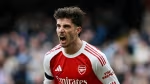
Eddie Howe Newcastle Transfer: Worth noting: Morrison also frames Arsenal’s gain as more than a fee story—he calls Guimarães a top player in his position and highlights what Newcastle was losing tactically.
Analysis: why this hits Howe’s tactical plans hardest
Howe’s football is built around trust—patterns in midfield, rehearsed tempo shifts, and coordinated press cues. If the club sells an engine-room figure like Guimarães and doesn’t replace that quality, the tactical knock-on is immediate. Does the team keep the same 4-3-3 structure? Does it shift to a more conservative midfield cover role? Either answer becomes harder when recruitment doesn’t arrive in time.
That’s the real tension in Morrison’s quote: he isn’t only saying Newcastle lost players. He’s saying the replacement quality wasn’t there—so the team’s ceiling drops even before a single matchweek proves it. It also explains why he ties the disappointment to Europe expectations rather than domestic mid-table comfort.
Then there’s the operational layer above Howe. When Morrison names Darren Eales, he’s pointing at the decision-makers responsible for converting strategy into signings. Other coverage about restrictions under sustainability rules and the late arrival of Paul Mitchell as sporting director adds context: there may have been structural pressure on targets and timing, but the output on the pitch still affects Howe’s ability to compete.
Here are the key questions Newcastle fans should ask now: if the club must sell, why didn’t recruitment match the sales pace? If midfield was the weakness to address, why didn’t the Marc Guéhi pursuit—reported as a month-long effort—end with a completion? And if PSG/PSR realities exist (per Guardian-style reporting), why does the end result still look like a window without upgrades?
Recommendation: who should Newcastle choose next—and how should fans judge it?
For Newcastle, the choice is about fit under pressure. If you’re selling your best players, you need recruitment that recreates the same tactical roles quickly, not merely “potential” profiles. The club needs to demonstrate a clear internal chain: scouting agreement to recruitment action to squad integration, otherwise Howe becomes the messenger for decisions made elsewhere.
For Howe, the next best route is clear: protect the remaining core and build around what’s still available. Morrison’s naming of Isak and Gordon isn’t just praise—it’s a shortlist of credibility. If Newcastle wants to persuade their top performers they can win, they must offer a plan that matches their ambition in Europe terms, not just survive the regulation arithmetic.
For fans making sense of the noise, here’s the simple rule: if the club sells a starter, pick the replacement only if it improves the squad’s ability to maintain midfield control and press triggers—otherwise it’s just a downgrade dressed as necessity. If you want a squad that competes for Europe, pick recruitment outcomes over transfer headlines—because Morrison’s entire thesis is that Newcastle didn’t deliver outcomes.
FAQs
What does Morrison mean by “people above him” for Eddie Howe?
Morrison’s point is that Howe’s ambitions were undermined by leadership decisions that allowed key departures without securing equal-quality replacements. He ties that disappointment to Newcastle’s window being “huge” and to the claim the club did not sign players who raise Europe or Champions League chances.
Does this blame only Newcastle’s manager, or also transfers structure?
It’s aimed at the club’s decision chain. Morrison names Darren Eales as part of the leadership picture, and other reporting frames the wider constraints around profitability and sustainability rules—meaning recruitment is shaped by the people above the manager.
Are Newcastle’s fans right to connect sales to Europe qualification risk?
In Morrison’s framing, yes—because he says Newcastle “have not signed any players” to improve their Europe/Champions League chances. That’s the key logic: if the squad shrinks in quality, the probability of finishing high enough becomes harder, especially when rivals strengthen.
Source: FourFourTwo
Related Articles
- Anthropic Abandons Massive $6B Decart Deal
- Anthropic Called Off Its $6 Billion Decart Bloomberg Deal
- Arsenal’s Ruthless Rise: Title Contenders Confirmed
Was this article helpful?
Your feedback directly improves future articles on this site.