NZ
 IND
 NAM
 IRE
 MOZ
 UGA
 Aston Villa
 Man City
 Rayo
 Elche
 GMB
 ZMB
 NGA
 LES
 Cagliari
 Bologna
 IPS1
 NFO1
 ALA1
 MCF1
 TOR3
 MON2
 BRE1
 NICE2
 TAS129/7 (23.3/35 ov, target 276)
 VIC304/7 (50 ov)
 WA
 NSW38/1 (9/50 ov)
 NZ-A135/3 (41 ov)
 IND-A113
 DHA
 RAJ
 MYMS
 CHATT
 RAN
 BAR
 SYL
 KHU
 MEX-W
 ARG-W
 UAE
 NED
 AFG170/3 (34.3/50 ov, target 170)
 ZIM169
 IND-W200/1 (27.1/50 ov, target 198)
 ZIM-W197
 DOLPH56/0 (3.5/8 ov, target 56)
 SWD51/4 (8/8 ov)
 WSW1
 BRI1
 Como
 Sassuolo
 Augsburg
 Union Berlin
 Cologne
 Schalke
 Mainz
 Bremen
 RB Leipzig
 Elversberg
 VFB2
 BMG3
 AHL4
 KHA1

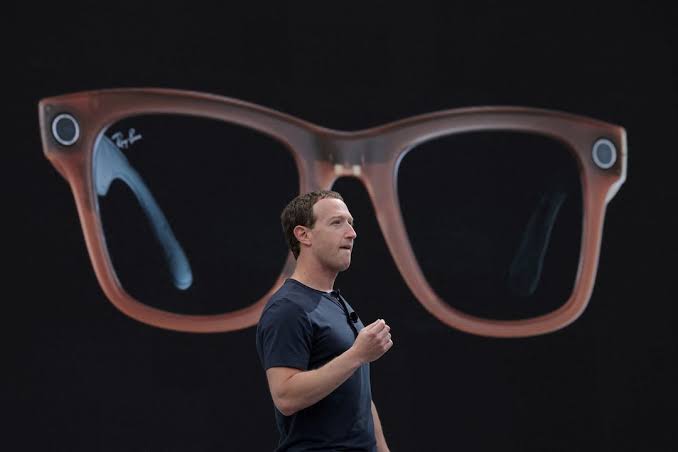
Meta Ray Ban smart glasses were reportedly halted by a Dutch retailer on October 5, 2026, after concerns about European Union privacy compliance focused on the device’s LED recording indicator. Meta and EssilorLuxottica announced the second-generation glasses on September 27, 2023, before their reportedly October 17, 2023 launch and reported $299 US starting
Why did a Dutch retailer halt Meta Ray Ban glasses?
Dutch media reported that the retailer’s action was connected to concerns over whether the built-in LED clearly tells people when the glasses are recording. The issue matters because the camera sits inside an ordinary-looking Ray-Ban frame, allowing video capture without the visual separation associated with a smartphone or dedicated camera.
The LED is intended to provide that warning. Under European Union privacy expectations, however, the question is not simply whether an indicator exists, but whether people nearby can reasonably notice and understand it before or during recording. > A recording indicator is a visible signal designed to show that a device’s camera is active. The retailer’s decision does not establish a Europe-wide ban, and the available information does not identify a final regulatory ruling. It does show how product availability can become a privacy decision rather than a conventional retail choice. The next question is what hardware sits behind that concern.
What hardware do the glasses use?
The glasses reportedly are built around Qualcomm’s Snapdragon AR1 Gen 1 platform, with reportedly 32GB of flash storage and a reportedly ultra-wide 12-megapixel camera sensor. The included charging case reportedly provides up to 36 hours of total use, according to the supplied specifications.
Those numbers describe a compact camera platform rather than a simple audio accessory. The reported 12-megapixel sensor supports the glasses’ capture function, while the reported storage is intended for locally held photos and videos before transfer to a connected device. The Snapdragon platform handles the processing required for the glasses’ smart features. The reported $299 US starting Norway Ban Glasses story, where privacy concerns similarly affected how wearable cameras were discussed. Hardware explains what the glasses can do. Privacy rules determine where those capabilities can be used.
Why is the recording LED important in Europe?
The conflict comes from a mismatch between personal convenience and public consent. A wearer may view the LED as sufficient notice, while a person being recorded may not recognise a small light as a meaningful warning, especially in a busy street, shop, workplace, or public-transport setting. That distinction is central to European privacy compliance.
The retailer action reported on October 5, 2026, was prompted by concerns over the LED rather than a confirmed defect in the Snapdragon platform, camera, storage, or charging case. Similar questions have followed other camera-equipped wearables. The immediate dispute is therefore about notice, consent, and interpretation. The larger issue is whether smart glasses can become socially acceptable without making recording impossible. For more detail, see Gizmodo.
What happens next for the retailer and Meta?
The next outcome depends on whether the retailer receives clearer compliance guidance or changes how the glasses are sold. The available facts do not confirm a permanent withdrawal, a redesigned indicator, a nationwide Dutch restriction, or a decision by European Union authorities.
Meta and EssilorLuxottica may face pressure to clarify how the LED operates, when it activates, and whether software updates can improve its visibility. Retailers could also add stronger in-store warnings or limit sales until local privacy questions are resolved. The product’s commercial path will be watched beyond the Netherlands. Amazon’s use of connected eyewear for delivery drivers, covered in our report on Amazon Drivers Glasses, shows how different workplace rules can create separate standards from those applied to consumer products.
The bottom line is direct: the Dutch retailer reportedly halted sales because a small recording LED may not provide enough privacy assurance for every European setting, leaving the glasses’ next step tied to compliance clarity.
FAQs
Are the glasses banned across the European Union?
No confirmed European Union-wide ban is established by the available facts. The reported action concerns a Dutch retailer and privacy compliance questions surrounding the recording indicator.
When were the glasses announced?
Meta and EssilorLuxottica announced the second-generation glasses on September 27, 2023. Their reportedly official launch date was October 17, 2023.
What camera do the glasses use?
The reported camera specification is an ultra-wide 12-megapixel sensor. This detail is not officially confirmed in the supplied information.
How much do the glasses cost in the United States?
The standard version has a reported starting
Was this article helpful?
Your feedback directly improves future articles on this site.