NZ180/5
 IND56/2 (8.3/20 ov, target 181)
 NAM156/2 (32/50 ov)
 IRE
 AVL
 MNC
 RAY
 ELC
 GMB
 ZMB
 NGA
 LES
 CAG
 BOL
 COMO
 SAS
 FCA
 FCU
 KOE
 S04
 MOZ19
 UGA23/0 (0.5/20 ov, target 20)
 Ipswich1
 Nottm Forest1
 Alavés1
 Málaga1
 Torino3
 Monza2
 WA
 NSW371/8 (50 ov)
 DEN
 KUW
 KENYA
 QAT
 SWD-W
 EPR-W
 TTN-W
 WPR-W
 NZ-A135/3 (41 ov)
 IND-A113
 DHA
 RAJ
 MYMS
 CHATT
 RAN
 BAR
 SYL
 KHU
 MEX-W
 ARG-W
 UAE
 NED
 PAK
 ENG
 IND-W
 ZIM-W
 AFG170/3 (34.3/50 ov, target 170)
 ZIM169
 CHE0
 DYI0
 CHO1
 QIN0
 HEN1
 BEI0
 LIA1
 ZHE0
 QWC1
 YUN0
 SHX0
 Shanghai Shenh0
 TIG0
 SHP0
 WTT1
 SHT3
 M05
 SVW
 RBL
 ELV
 Brest1
 Nice2
 Stuttgart2
 Gladbach3
 Al Ahli4
 Al Khaleej1

For drone enthusiasts and professionals alike, choosing between the DJI Avata 360 and the Antigravity A1 involves a critical assessment of long-term value.
DJI officially announced its latest FPV drone on September 15, 2025, with availability commencing October 10, 2025, priced at $899 USD. In contrast, Antigravity announced its A1 on November 20, 2025, hitting shelves December 15, 2025, with a higher price tag of $1,199 USD. We’re analyzing which investment makes more sense today, April 27, 2026.
What Are the Core Differences in Hardware and Performance?
At their heart, both drones aim to deliver high-performance FPV experiences, but their specifications tell different stories. The DJI Avata 360 is equipped with 8GB of RAM and 256GB of internal storage, powered by a custom DJI FPV processor.
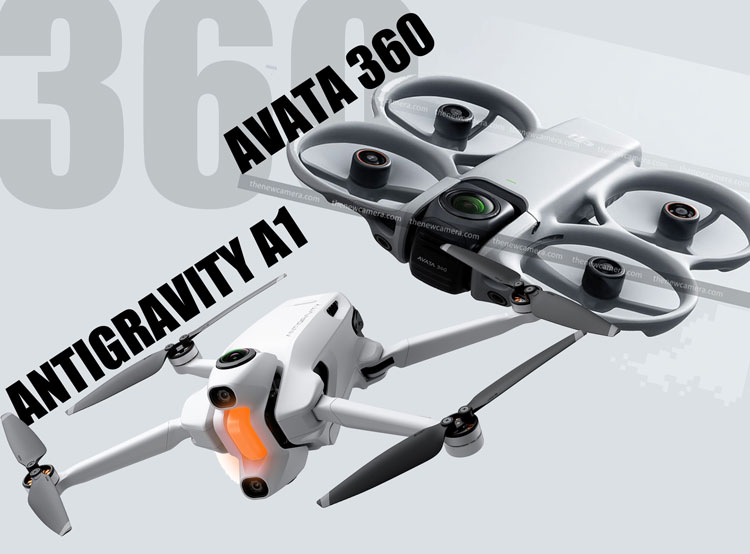
Its 5.5-inch OLED display and 2000mAh battery support up to 18 minutes of flight time. The Antigravity A1, however, steps up with a more robust 12GB of RAM and a substantial 512GB of storage, leveraging the powerful Snapdragon 8 Gen 3 processor. Its larger 6.1-inch AMOLED display and 2500mAh battery contribute to a longer flight duration of up to 22 minutes. Both drones feature 4K video recording at 60fps and essential obstacle avoidance sensors, but the A1’s superior processing power and storage capacity suggest greater potential for demanding tasks.
How Do Specs Translate to Real-World Value for Creators?
The raw specifications directly impact the creative potential and efficiency of these drones. For content creators, the Antigravity A1’s 512GB of storage is a significant advantage, allowing for longer, uninterrupted shooting sessions without the need for frequent card swaps or data offloads.
The Snapdragon 8 Gen 3 processor also promises smoother, faster on-board processing for complex video editing and advanced AI features, which could be crucial for professional workflows. While the DJI Avata 360’s 256GB is adequate for many, it might prove limiting for those capturing extensive 4K footage or utilizing higher bitrates. The extended flight time on the A1 further enhances its value, enabling more comprehensive aerial cinematography and exploration on a single charge. This is where the DJI Avata 360’s lower price point might appeal to hobbyists, but professionals will likely find the A1’s capabilities justify the premium.
Analyzing the Long-Term Investment: Durability, Upgradability, and Support
When considering long-term value, durability, potential for upgrades, and manufacturer support become paramount. DJI has a well-established reputation for robust build quality and consistent software updates, which contributes significantly to the longevity of its products. Their extensive repair network and readily available spare parts also mean that accidental damage is less likely to result in a complete loss of investment.
While Antigravity is newer to the high-end FPV market, the A1’s use of a widely adopted processor like the Snapdragon 8 Gen 3 could theoretically make it more adaptable to future software enhancements. However, DJI’s proven track record in customer support and ecosystem integration — including accessories and flight control software — offers a more predictable and reliable long-term ownership experience. The choice between the DJI Avata 360 and the Antigravity A1 hinges on whether you prioritize immediate cost savings and a familiar ecosystem or higher raw performance and storage for future-proofing.
What Do Early Adopters and Reviewers Say?
Early reports and initial reviews highlight the DJI Avata 360’s accessibility and ease of use, making it an attractive option for those transitioning from less advanced drones. Its intuitive controls and stable flight performance are frequently praised, aligning with DJI’s strategy of broadening the FPV market.
The Antigravity A1, on the other hand, is garnering attention for its sheer power and advanced feature set, appealing to experienced pilots and demanding videographers who push their equipment to the limits. Sceptics, however, point to Antigravity’s relatively unproven long-term support infrastructure compared to DJI’s decades of experience. It’s a fair objection — but the A1’s hardware superiority is undeniable for those who need it.