NZ
 IND
 NAM
 IRE
 MOZ
 UGA
 Aston Villa
 Man City
 Rayo
 Elche
 GMB
 ZMB
 NGA
 LES
 Cagliari
 Bologna
 IPS1
 NFO1
 ALA1
 MCF1
 TOR3
 MON2
 BRE1
 NICE2
 TAS103/5 (20.2/35 ov, target 276)
 VIC304/7 (50 ov)
 WA
 NSW22/1 (4.2/50 ov)
 NZ-A135/3 (41 ov)
 IND-A113
 DHA
 RAJ
 MYMS
 CHATT
 RAN
 BAR
 SYL
 KHU
 MEX-W
 ARG-W
 UAE
 NED
 AFG170/3 (34.3/50 ov, target 170)
 ZIM169
 IND-W200/1 (27.1/50 ov, target 198)
 ZIM-W197
 DOLPH56/0 (3.5/8 ov, target 56)
 SWD51/4 (8/8 ov)
 WSW1
 BRI1
 Como
 Sassuolo
 Augsburg
 Union Berlin
 Cologne
 Schalke
 Mainz
 Bremen
 RB Leipzig
 Elversberg
 VFB2
 BMG3
 AHL4
 KHA1

Animated sequels are officially dominating Disney’s release calendar, with the studio confirming major franchise returns for summer 2028. The House of Mouse just locked in Lilo & Stitch 2 and Incredibles 3 for back-to-back releases, signaling a strategic pivot toward proven IP over original stories. This dual-franchise play arrives as streaming wars intensify and theatrical audiences increasingly demand familiar characters — a calculated bet that animated sequels can anchor Disney’s box office recovery.
What Disney Just Announced: Animated Sequels in Practice
Disney confirmed two heavyweight animated sequels targeting summer 2028. Lilo & Stitch 2 marks the franchise’s theatrical return after 22 years, while Incredibles 3 continues Pixar’s superhero saga following 2018’s sequel success. Both films represent Disney’s confidence in animated sequels as franchise anchors — a departure from the studio’s pre-2024 strategy of spreading releases across multiple quarters.
The studio hasn’t disclosed directors, voice cast confirmations, or plot specifics yet. But insiders expect announcements within the next 12 months.
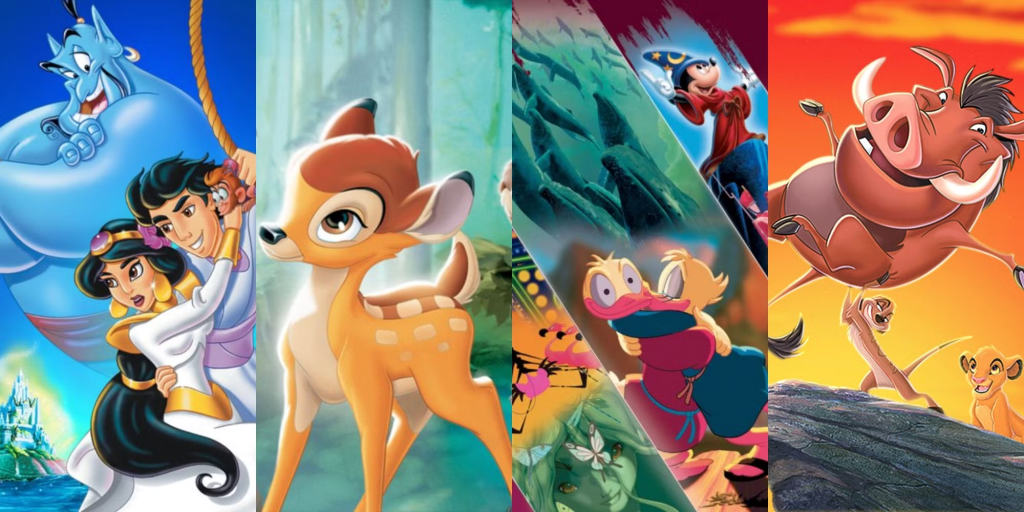
Why Animated Sequels Matter Now
Animated sequels carry lower financial risk than live-action tentpoles while commanding comparable budgets — typically $150M–$200M each. They operate on proven audience loyalty, unlike original stories that require building awareness from scratch.
Pixar’s last three releases averaged $600M+ globally. Disney Animation’s franchises consistently outperform originals by 40–60%. The real question is: can nostalgia alone sustain theatrical attendance in 2028, or do these sequels need fresh creative angles?
The Box Office Calculation
This now represents Disney’s safest theatrical bets. Incredibles 2 (2018) earned $1.24B worldwide. Toy Story 4 (2019) hit $1.07B. These aren’t outliers; they’re the new baseline.
By stacking Lilo & Stitch 2 and Incredibles 3 in summer 2028, Disney signals confidence that both films can coexist without cannibalizing each other’s audiences — one targets families seeking nostalgia, the other appeals to superhero franchise devotees. The studio’s willingness to release them simultaneously reflects how thoroughly these properties dominate theatrical planning.
What Comes Next
Industry observers expect announcement waves throughout 2026. Voice cast reveals typically drive social media engagement, while teaser footage drops generate momentum heading into 2027. As spider-man trailer reveals demonstrate, these films now command the same promotional intensity as live-action blockbusters.
Disney’s summer 2028 strategy confirms what box office data already showed: they’re not filler content anymore — they’re the studio’s theatrical future.