NAM321/6 (50 ov)
 IRE
 AVL
 MNC
 RAY
 ELC
 GMB
 ZMB
 NGA
 LES
 CAG
 BOL
 COMO
 SAS
 FCA
 FCU
 KOE
 S04
 MOZ19
 UGA23/0 (0.5/20 ov, target 20)
 NZ180/5
 IND181/6 (19.5/20 ov, target 181)
 Ipswich1
 Nottm Forest1
 Alavés1
 Málaga1
 WA105/3 (18.5/50 ov, target 372)
 NSW371/8
 DEN
 KUW
 KENYA
 QAT
 SWD-W
 EPR-W
 TTN-W
 WPR-W
 BOR
 WAR15/1 (2.5/20 ov)
 LIONS
 Limpo21/1 (2.5/20 ov)
 NZ-A135/3 (41 ov)
 IND-A113
 DHA293/3 (84.1 ov)
 RAJ
 MYMS
 CHATT
 RAN320/5 (80 ov)
 BAR
 MEX-W
 ARG-W
 UAE
 NED
 PAK
 ENG
 IND-W
 ZIM-W
 AFG170/3 (34.3/50 ov, target 170)
 ZIM169
 CHE0
 DYI0
 CHO1
 QIN0
 HEN1
 BEI0
 LIA1
 ZHE0
 QWC1
 YUN0
 SHX0
 Shanghai Shenh0
 TIG0
 SHP0
 WTT1
 SHT3
 M05
 SVW
 RBL
 ELV
 Torino3
 Monza2
 Brest1
 Nice2
 Stuttgart2
 Gladbach3
 Al Ahli4
 Al Khaleej1
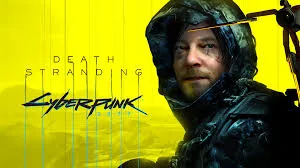
What if humanity’s future isn’t just one path, but two diverging roads leading to the same destination? Cyberpunk 2077 and Death Stranding might seem worlds apart – one drowning in neon excess, the other suffocating in desolate silence – yet they’re actually two sides of the same coin, exploring how humanity evolves (or devolves) from our current crisis point.
After hundreds of combined hours in both games, this connection becomes impossible to ignore. Here’s why these seemingly opposite dystopias are mirror reflections of humanity’s potential futures.
Tale of Two Futures: Cyberpunk 2077 Comparison
| Aspect | Cyberpunk 2077 | Death Stranding |
|---|---|---|
| World State | Overcrowded, neon chaos | Barren, isolated landscapes |
| Threat Type | Corporate control, rogue AIs | Ecological disaster, supernatural entities |
| Core Theme | Technology overwhelming humanity | Human connection vs. isolation |
| Setting | Night City (urban dystopia) | Post-apocalyptic America/Australia |
| Atmosphere | Hedonistic excess | Meditative solitude |
| Gameplay Focus | Combat, choice-driven narrative | Traversal, rebuilding connections |
The Coin They Share: Evolution of Human Society
Both games obsessively examine where humanity stands right now in 2025 and extrapolate two possible catastrophic outcomes:
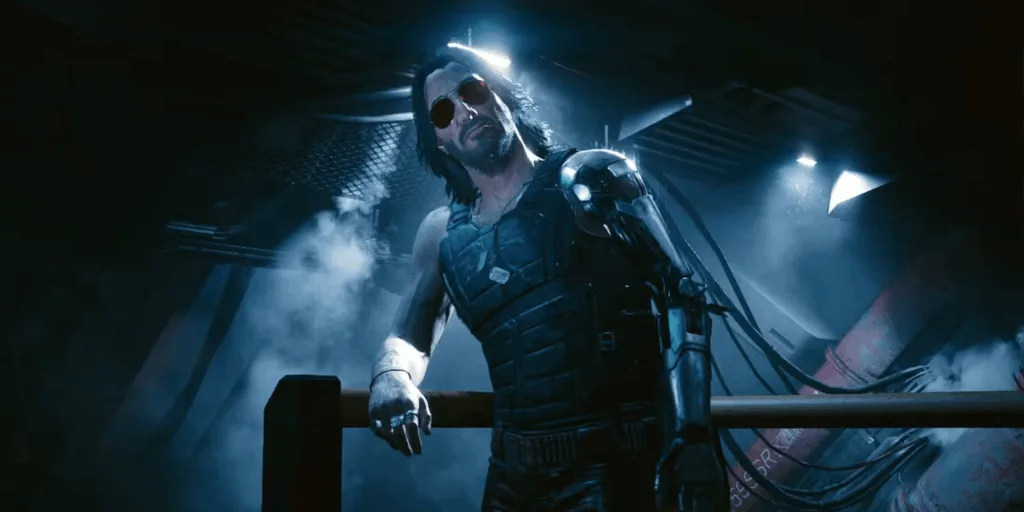
Cyberpunk 2077’s Vision: We surrender to technological acceleration. Corporations replace governments, AI threatens consciousness itself, and the line between human and machine blurs into nonexistence. The hyperreal world makes distinguishing truth from fiction impossible. Technology promised liberation but delivered enslavement.
Death Stranding’s Vision: Nature violently rejects humanity. The Death Stranding event unleashes Beached Things (supernatural entities causing voidouts) and Timefall (rain that accelerates aging), making Earth fundamentally hostile to human life. We’re scattered, isolated, struggling to maintain basic connection in a world that actively kills us.
Why This Matters Beyond Gaming
These aren’t random sci-fi fantasies. Both developers looked at humanity’s current trajectory and identified critical pressure points:
Cyberpunk 2077 Questions:
- What happens when corporations gain more power than nations?
- Can humanity maintain identity as technology integrates deeper into our bodies?
- Will AI evolution threaten or transcend human consciousness?
- How does constant digital stimulation affect authentic human experience?
Death Stranding Questions:
- What if ecological collapse isn’t gradual but catastrophic and immediate?
- Can humans maintain society when physical connection becomes deadly?
- How do we rebuild community after total societal breakdown?
- What defines humanity when survival requires constant isolation?
The Shared DNA: Beyond Surface Differences
Both Prioritize World-Building Over Action: Yes, you shoot and fight in both games, but that’s not the point. The real experience lies in exploring meticulously crafted environments that whisper (or scream) about humanity’s fate.
Humanistic Themes Despite Dystopia: Both narratives express hope within horror. V’s struggle in Cyberpunk 2077 and Sam’s reconnection efforts in Death Stranding demonstrate that individual human agency matters even when systems collapse.
Detailed Environmental Storytelling: Random NPC conversations, discarded emails, environmental details – both games hide profound commentary in peripheral spaces. The main quest is just the entrance; side content reveals the soul.

How to Experience These Games Properly
Don’t Rush the Main Quest: Both games suffer when played as mission checklists. Instead:
Cyberpunk 2077: Explore Night City’s fringes. Talk to random NPCs. Read environmental text. Side quests like Delamain’s taxi company, the Peralez conspiracy, and character arcs (Judy, River, Panam) contain the game’s deepest truths.
Death Stranding: Let yourself feel the isolation. The “boring” walking simulator criticism misses the point entirely – that meditative traversal through hostile landscapes creates emotional space to contemplate connection’s value.
The Crossover That Proved the Connection
Death Stranding’s PC version included Cyberpunk 2077 crossover content featuring V’s mask, Johnny Silverhand’s prosthetic arm, and themed missions. This wasn’t just marketing – it acknowledged the thematic kinship between these dystopias.
For comprehensive sci-fi game analysis and dystopian narrative guides, explore our gaming hub. Play both titles on Steam.
The Verdict: One Coin, Two Faces
Cyberpunk 2077 asks: “What if we give technology everything?”
Death Stranding asks: “What if nature takes everything back?”
Both answers lead to the same conclusion: humanity struggles, connection becomes precious, and individual choices determine whether we transcend or succumb to catastrophe.
These games aren’t competing visions – they’re complementary warnings disguised as entertainment. Play one to understand technological dystopia. Play the other to comprehend ecological collapse. Play both to see the complete picture of humanity’s fork in the road.
The future is nigh, and these games are our roadmap to what might await.