This cricket bat guide covers everything you need to pick the right willow for IPL-style cricket in 2026. With the IPL known for explosive power-hitting, the right choices in bat weight, wood grade, and handle type can change how you play out in the middle.
Cricket bat guide: Weight Distribution and Balance: Why Most Players Get This Wrong
Here’s a big problem: lots of cricket fans try to mimic their IPL favorites without understanding how a bat actually works. Most folks grab the heaviest stick they can manage, figuring all that weight means more power. That’s just not true.
Look at the IPL pros. Their bats usually weigh between 2lb 8oz and 2lb 12oz. But here’s the thing—what really counts is how the bat feels, or its pickup weight. Sometimes, a well-balanced 2lb 10oz will feel lighter in your hands than a badly-balanced 2lb 6oz. The focus on cricket bat guide is huge here.
The sweet spot? You’ll find it in the middle-to-lower part of the blade. IPL 2026 Organizers point out that with today’s T20 games, it’s quicker bat speed—more than just heavy wood—that makes the difference.
Try this quick test: grab the handle with just your bottom hand. If the blade drops right away, it’s too heavy. The bat should balance out by itself, so your wrist doesn’t feel strained. You’ll thank yourself during those longer knocks when tiredness kicks in. This bit of cricket bat guide is super important.
Think about how you play too. If you’re an aggressive batter, lighter bats (2lb 6oz to 2lb 9oz) help you swing faster. If your game is built on timing, a slightly heavier bat (2lb 10oz to 2lb 12oz) might suit you better. Developments in cricket bat guide just keep moving forward.
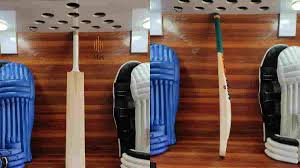
Willow Grade Breakdown: English vs Kashmir — The ₹15,000 Question
English willow is still the top choice, but Kashmir willow has caught up a lot. The price tags tell the story: English Grade 1 runs ₹25,000-40,000, while top Kashmir willow falls around ₹8,000-15,000.
English willow stands out for its clean grain lines and lasting quality. Its natural moisture gives that famous “ping” when you strike the ball just right. Take it from CricInfo: most IPL pros pick Grade 1+ English willow for consistent results on any pitch.
But Kashmir willow isn’t just the cheap option anymore. Modern treatments have closed the gap. Kashmir Grade A+ now delivers like English Grade 2 willow, but costs much less.
The grain tells you what’s what: 6 to 12 straight, even grains mean good wood. Skip bats with uneven grains or dark lines—they tend to crack too soon.
Here’s the real deal: if you play mostly on weekends, you probably won’t spot a big difference between good Kashmir willow and mid-level English willow. Unless you’re a regular in league cricket, save your cash.
Handle Types and Grip Combinations: Matching Your Technique
Your handle choice matters for every shot. There are two big types: traditional round handles, and the more modern oval or semi-oval versions.
Round handles are for classic shot-makers who use their wrists to place the ball. Their shape lets your hands move smoothly on those gentle pushes or glances. Gujarat IPL Cricket players often stick with this style for all-round use.
Oval handles hand you more control for big hits. Their flattened sides stop the bat from twisting, especially when you go for power shots or don’t quite catch the middle. That extra security helps a lot with cross-batted hits.
Don’t forget handle thickness. If you’ve got big hands, a thicker handle (35mm+) feels better, but might slow your swing. Most players fit fine with a 32-34mm handle. Check your grip: if your fingers overlap a lot, consider something chunkier.
The grip changes the game too. Thin grips feel natural but don’t cushion much. Thick grips soak up shocks, but can make your bat feel heavier at the top. Try out different grips before you invest in pricey gear.
Modern Bat Profiles: Traditional vs Contemporary Shapes for T20 Cricket
Bat shapes have changed with the way cricket’s played. Old-school bats had even thickness from top to bottom—great for classic shots, but not for smashing sixes.
Newer styles put more wood lower in the blade, making a bigger sweet spot for launching the ball. This matches what’s happening in the IPL, where clearing the ropes matters way more than perfect drives.
Ever noticed the bow, or curve, in modern bats? It’s not just for looks. That curve moves the weight around, so the bat feels lighter but still packs a punch. Too much bow, though, can weaken the blade—thin spots may crack faster.
Look at the edges. Tradition kept them at 35mm max, but T20 bats now run 40-42mm. That means a massive hitting area, though you might swing a bit slower.
Think about your favorite shots. If you love square cuts and pulls, go for thicker edges. If you’re more about straight drives, traditional profiles with a chunky spine will suit you better.