

Claude Opus 4.7 Launched: If you’ve been following the drama in the AI world lately, you know that developers have been vocal about the “degradation” of previous models. On April 16, 2026, Anthropic answered back with a reputational reset: Claude Opus 4.7. This isn’t just a minor patch; it’s a powerhouse designed for the most complex, long-running agentic workflows of 2026.
Building on the foundation of its predecessor, Opus 4.6, the new 4.7 model brings “adaptive thinking” and a massive 1-million-token context window to the table, all while maintaining the same $5/$25 pricing tier.

What’s New in the 4.7 Update?
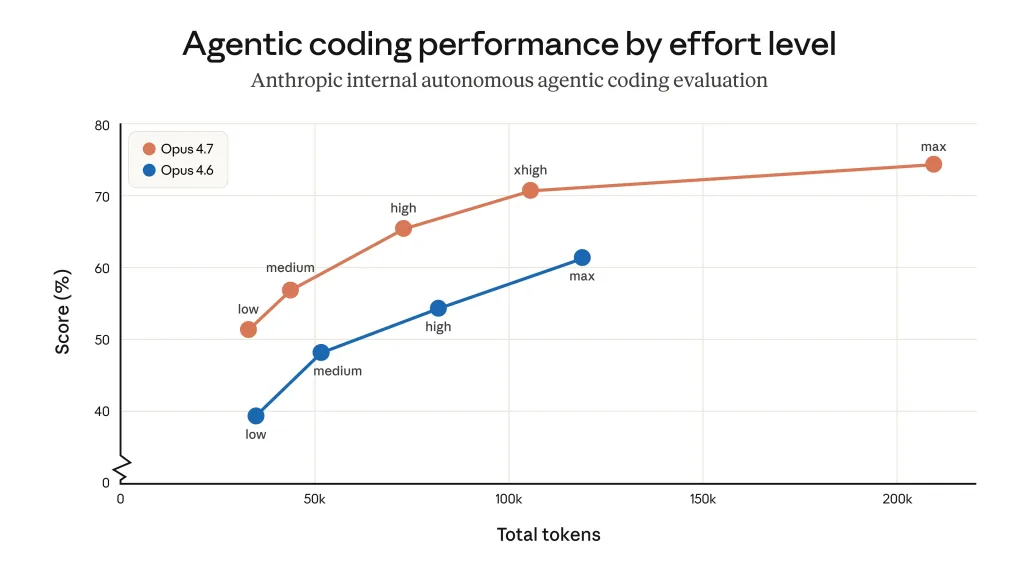
The headline feature is the “xhigh” effort level, a new setting that bridges the gap between high performance and token efficiency. For the next-gen processors and NVIDIA-accelerated rigs running these APIs, the efficiency gains are massive.
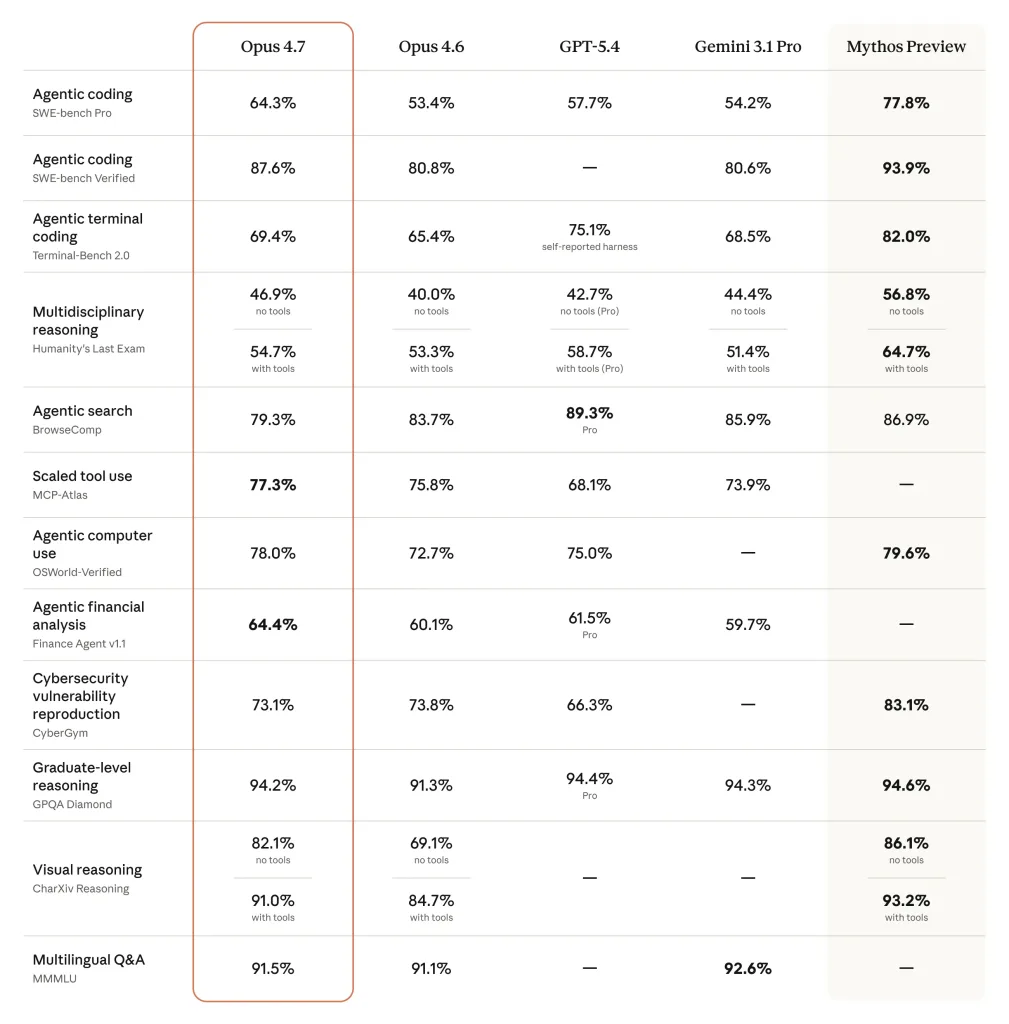
- Coding Mastery: It now scores a staggering 64.3% on real-world GitHub issue resolution.
- Adaptive Thinking: The model independently decides how deep to “think” based on the task’s complexity.
- High-Res Vision: Support for images up to 2576px, allowing for pixel-perfect analysis of dense diagrams or screenshots.
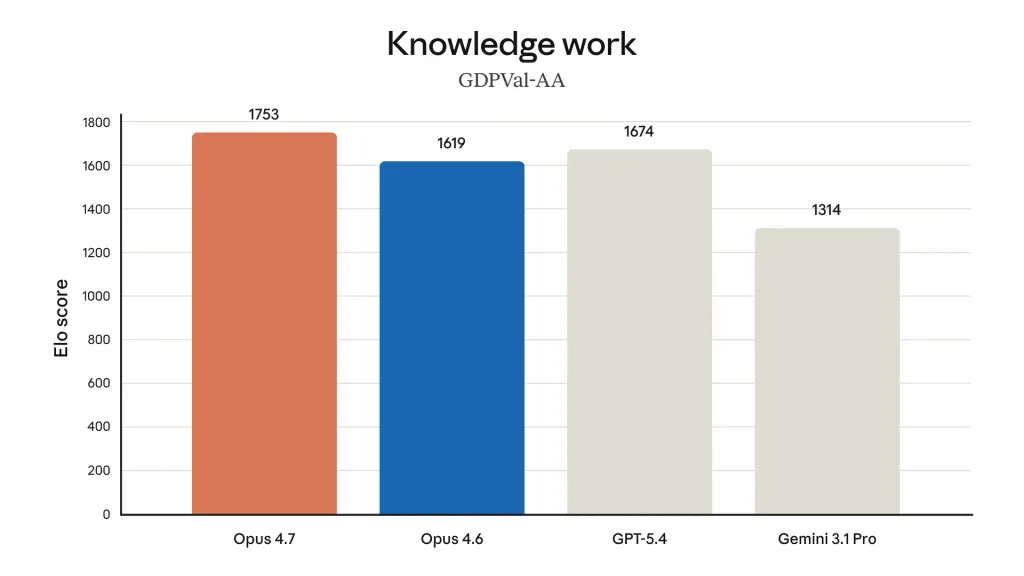
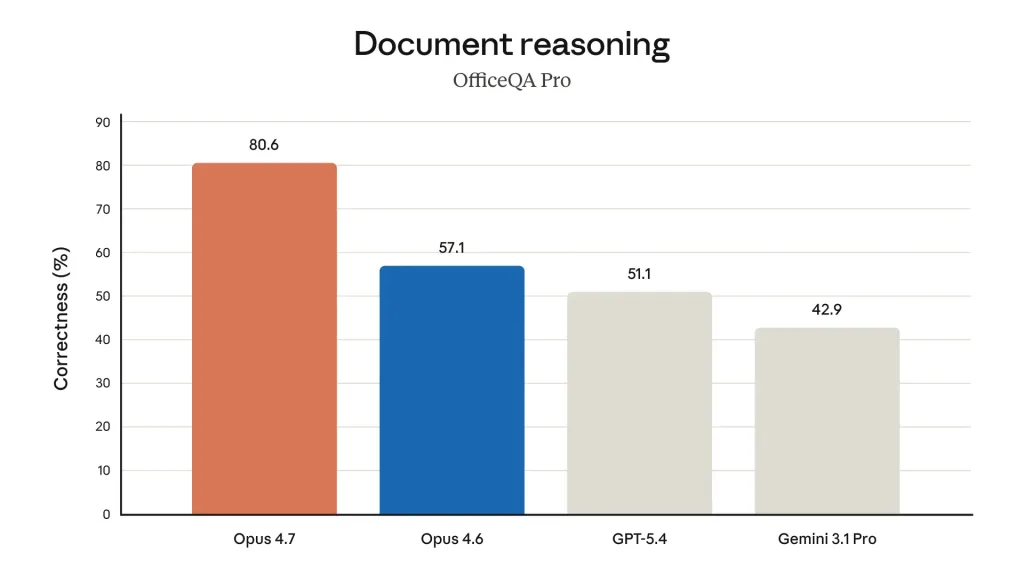
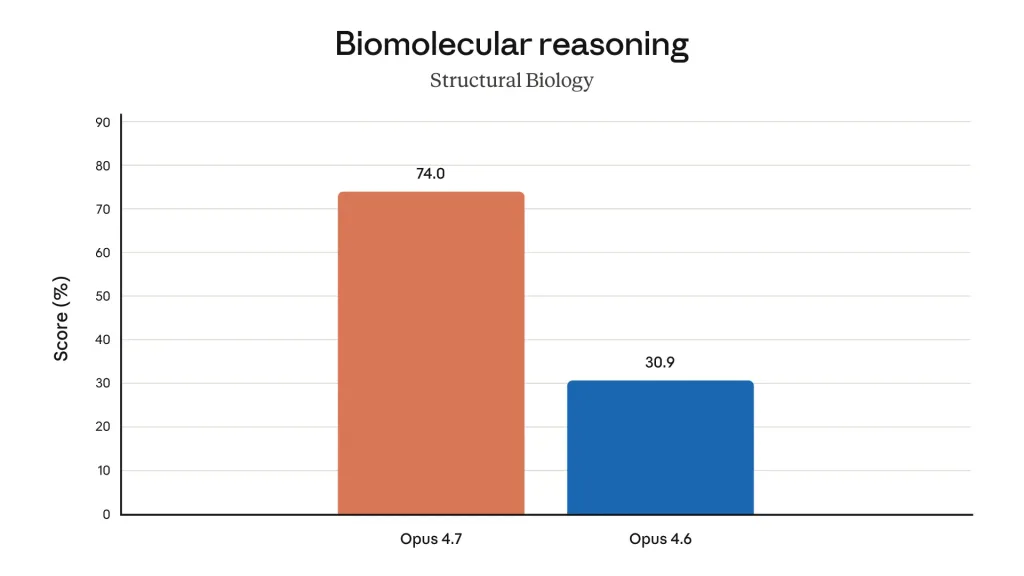
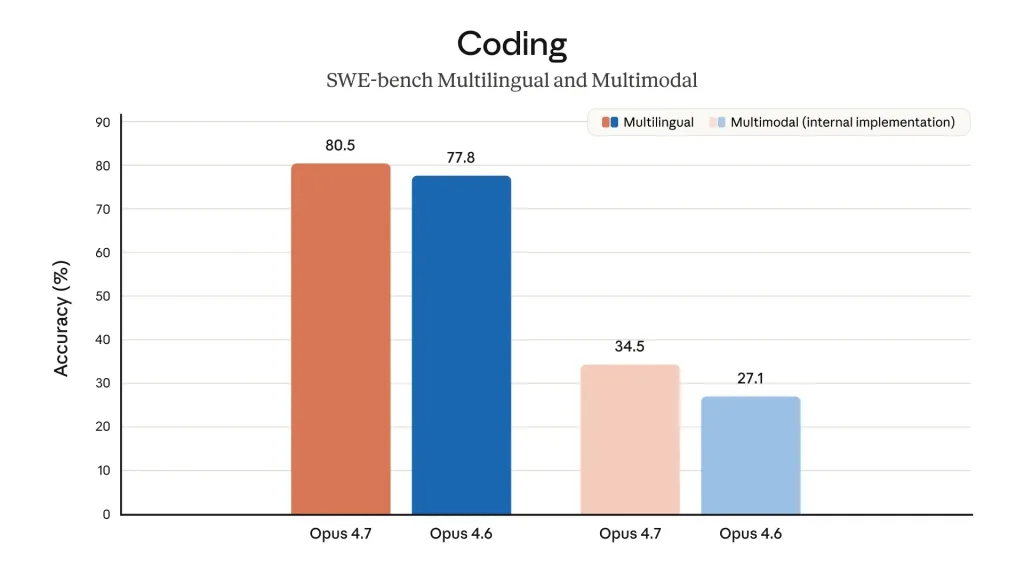
Performance Comparison (April 2026)
| Metric | Claude Opus 4.7 | GPT-5.4 Pro | Gemini 3.1 Pro |
| GitHub Issue Resolution | 64.3% | 57.7% | 54.2% |
| Humanity’s Last Exam | 46.9% | 42.7% | 44.4% |
| Context Window | 1M Tokens | 1M Tokens | 2M Tokens |
| Throughput (TPS) | ~81 | ~75 | ~90 |
Why It Matters for Developers
While the unreleased Claude Mythos remains the “too dangerous” titan in the background, Opus 4.7 is the practical, safe, and elite tool for today’s production environments. It follows instructions more literally, reducing the “guesswork” that plagued previous iterations.
Whether you’re building autonomous agents or refactoring massive legacy codebases, Opus 4.7 is currently the definitive choice for quality over raw speed. You can dive deeper into the official announcement on Anthropic’s newsroom.
Are you ready to hand over your hardest coding tasks to Opus 4.7, or do you still prefer a human-in-the-loop? Let us know in the comments!


