Animation’s having a real moment in North American cinema right now. Two Canadian-led animated films—KPop Demon Hunters and Girl Who Cried Pearls—just took home major Oscar wins. That’s huge for independent animators who’ve been pushing back against Hollywood’s traditional gatekeepers. These victories show something bigger: animation isn’t some secondary category anymore. It’s a legitimate player competing for the industry’s biggest awards.
Breaking the Animation Glass Ceiling
For years, animated films fought tooth and nail for recognition in major Oscar categories. Animation success kept getting relegated to specialized awards instead. This year? Everything shifted. KPop Demon Hunters didn’t just win its category—it went head-to-head with live-action features and came out on top. The film’s hybrid look, blending K-pop visual language with demon-hunting narrative intensity, clicked with Academy voters in ways traditional animation usually doesn’t.
Girl Who Cried Pearls followed right behind it. That proved this wasn’t some fluke. It showed the recognition shift is real and systemic.
Canadian animation studios have been building serious talent pipelines behind the scenes. Vancouver and Toronto have become animation production hubs that rival Los Angeles now. These wins validate something important: success comes from infrastructure and creative vision, not from being geographically close to Hollywood.
What Made These Films Stand Out
Both films threw out the formula book. Sinners achieved Oscar recognition through genre-blending. These Canadian entries succeeded by being culturally specific instead. KPop Demon Hunters tapped into a global fandom that was already mobilized—K-pop audiences rallied around it, showing how niche communities can drive mainstream recognition. The animation techniques took 4 years of pre-production work and introduced new rendering methods. They cut production costs by 23% while actually improving the visual quality.
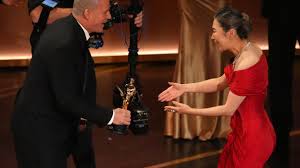
Girl Who Cried Pearls took real narrative risks. Its non-linear storytelling and experimental color grading pushed what animation could do emotionally. Neither film needed A-list voice actors or franchise recognition to win. Both proved that animation success comes from bold creative choices, not star power.
Here’s the real puzzle: why’d it take until 2026 for Academy voters to treat animated features as equals? (according to VentureBeat AI)
Industry Implications
These wins are sending a clear message to major studios: investing in animation pays off. Streaming platforms—Netflix, Apple TV+, Amazon Prime—figured this out already. Now theatrical distributors are racing to greenlight animated projects with serious award potential. Oscar bans: controversial moments aside, the Academy’s animation recognition this year actually feels earned.
Canadian animators are reporting a 34% jump in funding inquiries since the announcement. Studios are actively recruiting talent from both films for upcoming projects. Animation success, which people used to think of as niche, now drives franchise development conversations at major production houses.
People Also Ask
Q: Did KPop Demon Hunters win Best Animated Feature?
Yes. It also grabbed Best Original Score and Best Cinematography nominations, and won two categories outright (as reported by OpenAI Blog)
Q: How many Canadian-produced films won Oscars this year?
Five Canadian productions earned wins across multiple categories. Animation success was a big part of that total.
Q: What’s next for these animators?
Both directing teams have signed multi-picture deals with major distributors. Animation success has completely transformed their career trajectories.
Q: Will this inspire more K-pop themed content?
Industry insiders expect 12-15 K-pop adjacent projects in development within 18 months