SA329 (82.3 ov)
 AUS
AUS FLE1
FLE1 ARS1
ARS1 BAN
BAN WI
WI IND-W
IND-W ZIM-W
ZIM-W GOA
GOA SC Delhi
 Milan
Milan Bologna
 Parma
Parma Udinese
 Venezia
 Inter Milan
 Genoa
Genoa Juventus
 Monza
Monza Napoli
 ROMA4
ROMA4 CAG2
CAG2 TOR1
TOR1 COMO3
COMO3 SAS2
SAS2 LAZ6
LAZ6 AFG177
 ZIM140 (19.1/20 ov, target 178)
 AUCK
AUCK CANT
CANT CD
CD ND
ND SIKM184
 NAGA187 & 46/4 (34 ov)
 JHK131/4 (47 ov)
 DELHI515/5d
 ODSA194
 SVCS13/0 (5 ov)
 BRODA616
 J & K6/0 (4 ov)
 CHD685/5d
 HP49/0 (14 ov)
 CGR216/8 (95 ov)
 AP231
AP231 HYD193/2 (54 ov)
 PNJB431
 KNTKA297/7 (95 ov)
 TPURA194
 KER101/6 (35 ov)
 BENG350
 UAE
UAE OMA
OMA ENG
ENG SL
SL DEN
DEN QAT
QAT KENYA
KENYA KUW
KUW POA
POA SPR
SPR BRB
BRB VAG
VAG PAK110
 NAM316/7
 IRE253 (44.5/50 ov, target 317)
 NZ198/3
 IND199/4 (13.2/20 ov, target 199)
 NED371/5
 JAB113 (19.3/20 ov, target 133)
 KAY132/9
 TORD3
TORD3 MIR3
MIR3 DON2
DON2 EXT3
EXT3 MNR0
MNR0 AND1
AND1 PEN1
PEN1 CLY1
CLY1 ARO2
ARO2 PON0
PON0 PASO2
PASO2 COR1
COR1 TUD0
TUD0 ZAR4
ZAR4 MNC0
MNC0 VIL5
VIL5 HUE1
HUE1 RAY1
RAY1 SDA0
SDA0 MCF3
MCF3 HFC0
HFC0 GAE5
GAE5 Gamba Osaka
 Buriram
 Kashima
 Pohang Steelers
 ABH0
ABH0 ALF1
ALF1 Sevilla2
 Osasuna0
 PSG2
PSG2 Lyon0
Lyon0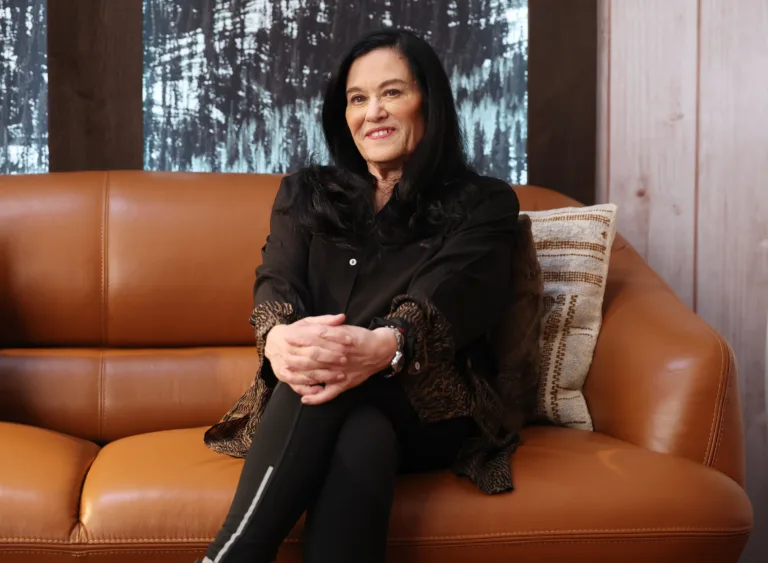
Award-winning filmmaker Barbara Kopple is diving into labor movements with an ambitious new documentary that examines worker organizing across America. The legendary director, known for her Oscar-winning work on labor issues, is bringing her signature investigative approach to contemporary labor movements in ways that challenge mainstream narratives. This project arrives as worker activism gains momentum across industries—from tech to entertainment to hospitality.
Kopple’s Track Record on Labor Movements
Barbara Kopple knows this territory well. Her 1979 documentary Harlan County, USA won the Academy Award for Best Documentary Feature—a film that exposed the brutal realities of coal miners fighting for union recognition. That work remains a masterclass in how documentary filmmakers explore systemic inequality and worker dignity.
Over decades, Kopple has consistently centered labor movements as a lens for understanding American power structures, inequality, and resistance. She understands how to build intimate portraits of individual struggle while revealing the larger institutional forces at play.

What This New Documentary Reveals
Kopple’s latest project examines contemporary labor movements with fresh urgency. The documentary focuses on modern worker organizing campaigns—capturing how labor movements are evolving in the gig economy, streaming platforms, and service industries. She’s tracking real-time organizing efforts that reshape how workers understand collective power.
The film doesn’t shy away from complexity. Today’s labor movements face fragmentation, corporate resistance, and legal obstacles that differ dramatically from the industrial-era struggles Kopple documented decades ago. Her approach weaves together multiple worker perspectives, showing how organizers adapt to 21st-century economic realities.
The project promises intimate access to organizers, workers, and the strategic decisions that define modern labor movements, drawing on insights from sources like VentureBeat AI.
Why This Matters Now
Entertainment industry workers themselves have become central to this story in ways that blur the line between Kopple’s subject matter and her medium. Writers, actors, and crew members have waged high-profile strikes that capture national attention.
This timing positions her documentary as essential cultural commentary—examining worker power precisely when creative workers are fighting for better contracts and working conditions. Her new project arrives as streaming platforms flood audiences with documentary narratives about family trauma. But her focus remains structural—how workers challenge systemic power rather than merely chronicle personal suffering.
The documentary will likely premiere at major festivals before securing distribution, bringing it back into mainstream cultural conversation at a critical moment.