The filing reached Los Angeles federal court in June 2024, when Scottish lawyer Fiona Harvey formally accused the streamer of defamation. The baby reindeer netflix lawsuit seeks $170 million in damages and centers on one question: when does fiction become legal liability? The case also sparked debate over how platforms handle autobiographical drama.
Overview: The Immediate Fallout
Streaming platforms have to balance creative freedom with legal exposure. Once a narrative crosses into real-world allegations, corporate risk models can change quickly. The dispute fueled discussion about content approval pipelines and indemnity clauses for original programming.
Here’s the thing: traditional distribution windows no longer give studios much protection from immediate litigation. Viewers picked apart every frame for autobiographical parallels, turning fictionalized storytelling into potential evidence. That legal pressure showed how quickly a cultural moment can create financial concerns for major distributors.
Key Details: The Baby Reindeer Netflix Lawsuit Timeline
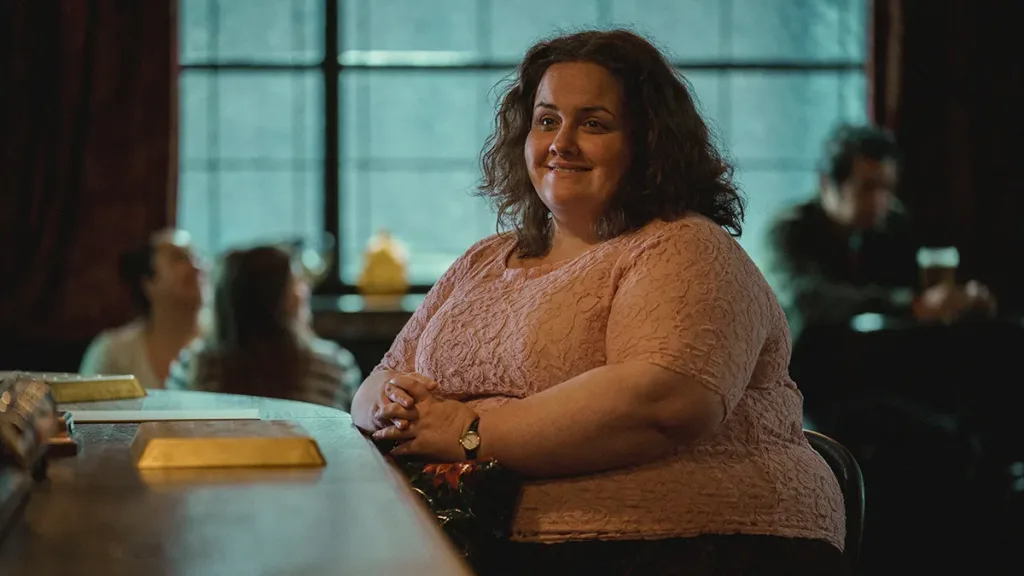
The dark comedy-drama miniseries premiered globally on April 11, 2024. Richard Gadd created and executive produced the series while playing lead character Donny Dunn, and Jessica Gunning starred alongside him as Martha Scott. Clerkenwell Films was reportedly linked to the production, though that arrangement remains unconfirmed.
The complaint sought at least $170 million in damages and was filed in Los Angeles federal court in June 2024.
Worth noting: the project won six Emmy Awards at the 76th Primetime Emmy Awards in September 2024, including Outstanding Limited or Anthology Series. The lawsuit arrived before that ceremony, setting critical acclaim against active litigation. The case put the line between artistic license and actionable defamation claims under the spotlight. For more detail, see VentureBeat AI.
Context: Platform Liability in the Streaming Era
Corporate risk assessments don’t always account for viral public reactions. When audiences connect screen narratives to real people, trademark and privacy boundaries can become unclear. Scheduling strategies now compete with legacy catalogues, forcing algorithmic curators to weigh promotional momentum against possible litigation costs.
Platforms that once relied on standard right-of-publicity waivers may now face extra compliance concerns. That said, the wider entertainment ecosystem reflects similar pressures seen when examining how “Schooled” Back Netflix projects handled regional copyright disputes. Financial exposure can grow alongside viewership. Strong engagement may bring closer scrutiny, while marketing budgets might not cover unexpected legal defense costs. For more detail, see Times of India Entertainment.
What’s Next: Precedents and Production Shifts
Industry executives may rethink standard contract language to address litigation risks after release. Development greenlights could also require extra legal reviews for stories based on real-world subject matter.
Distribution windows may shrink further as platforms favor safer Intellectual property over high-risk autobiographical adaptations. The initial filing continues to attract attention in conversations about editing and financing. Studios may adjust their content playbooks. The next wave of original programming could adopt tighter legal safeguards—or accept greater financial exposure.
If courts rule on the case, streaming executives may weigh creative ambition against the actual dollar exposure.
FAQs
What is the primary legal claim in the Baby Reindeer Netflix lawsuit?
Scottish lawyer Fiona Harvey filed a defamation lawsuit against Netflix in Los Angeles federal court, seeking at least $170 million in damages.
When was the original miniseries released to global audiences?
The show premiered worldwide on April 11, 2024.
How many industry awards did the series receive despite the lawsuit?
The project won six Primetime Emmy Awards at the September 2024 ceremony, including Outstanding Limited or Anthology Series.
Who created and starred in the original adaptation?
Richard Gadd created and executive produced the miniseries while playing protagonist Donny Dunn. Jessica Gunning starred alongside him as Martha Scott.
What financial compensation is the plaintiff currently requesting?
The plaintiff is seeking at least $170 million in damages.
Was this article helpful?
Your feedback directly improves future articles on this site.