
 SA329 (82.3 ov)
 AUS
AUS BAN
BAN WI
WI IND-W
IND-W ZIM-W
ZIM-W GOA
GOA SC Delhi
 Milan
Milan Bologna
 Parma
Parma Udinese
 Venezia
 Inter Milan
 Genoa
Genoa Juventus
 Monza
Monza Napoli
 ROMA4
ROMA4 CAG2
CAG2 TOR1
TOR1 COMO3
COMO3 SAS2
SAS2 LAZ6
LAZ6 AFG177
 ZIM140 (19.1/20 ov, target 178)
 AUCK
AUCK CANT
CANT CD
CD ND
ND SIKM184
 NAGA187 & 46/4 (34 ov)
 JHK131/4 (47 ov)
 DELHI515/5d
 ODSA194
 SVCS13/0 (5 ov)
 BRODA616
 J & K6/0 (4 ov)
 CHD685/5d
 HP49/0 (14 ov)
 CGR216/8 (95 ov)
 AP231
AP231 HYD193/2 (54 ov)
 PNJB431
 KNTKA297/7 (95 ov)
 TPURA194
 KER101/6 (35 ov)
 BENG350
 UAE
UAE OMA
OMA ENG
ENG SL
SL DEN
DEN QAT
QAT KENYA
KENYA KUW
KUW POA
POA SPR
SPR BRB
BRB VAG
VAG PAK110
 NAM316/7
 IRE253 (44.5/50 ov, target 317)
 NZ198/3
 IND199/4 (13.2/20 ov, target 199)
 NED371/5
 JAB113 (19.3/20 ov, target 133)
 KAY132/9
 Gamba Osaka
 Buriram
 Kashima
 Pohang Steelers
 ABH0
ABH0 ALF1
ALF1 Sevilla2
 Osasuna0
 PSG2
PSG2 Lyon0
Lyon0
Apple sent threat notifications on Friday, August 14, 2026, to users across 98 countries after detecting targeting activity linked to mercenary spyware. The move matters because these tools are designed for stealth, and the notification is one of the few public signals victims get fast enough to act.
Here’s the thing: people who don’t track threat Intelligence still need a clear checklist when attackers are already in the picture. So we’re answering the practical questions first—what the company is doing, what recipients should do next, and why this signals a wider security shift.
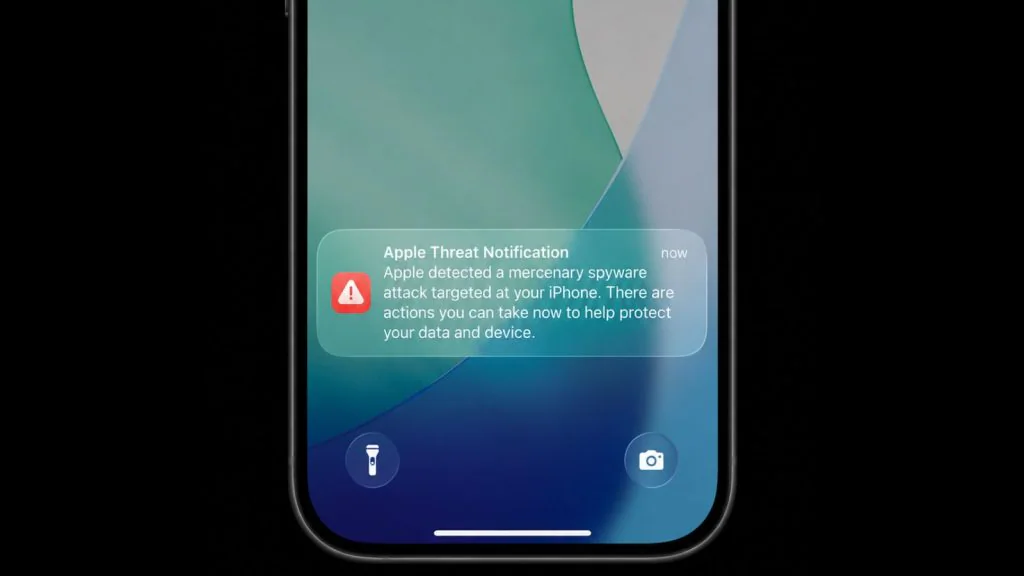
What did Apple warn users about, and who received the alerts?
Apple’s latest security notifications are aimed at users identified as targets of mercenary spyware attacks. According to reporting cited by Engadget, the alerts are tied to the company’s ability to detect when a device appears to be involved with sophisticated surveillance activity.
In parallel, researchers publicly connect these notifications to the commercial spyware ecosystem used by governments. John Scott-Railton of the University of Toronto’s Citizen Lab wrote that the warning can mean “tech like Pegasus used by governments to spy on you,” in a post on X (as quoted in Engadget’s coverage).
The key sentence: Apple is not sending generic tips—it’s issuing targeted alerts to specific recipients. That distinction is important for high-risk users, because “best practices” only help if the threat model matches the moment you’re in.
What exactly do the notifications and Apple’s new support page tell recipients to do?
Apple’s warning experience is built around immediate, action-oriented steps. The notification window tells recipients there are specific actions they can take to protect their data and their device, instead of leaving users to guess how to respond. The company also updated the user experience to make key information easier to access, as described in coverage that referenced comments from TechCrunch.
Apple published a new support page explaining what mercenary spyware is and what someone can do if they were targeted. In practical terms, that guidance is aimed at reducing the chances of continued compromise and limiting data exposure while investigations and device hygiene happen.
The key sentence: the alerts are paired with instructions designed to shorten the time between detection and defensive action. In spyware incidents, time-to-response is often the difference between containment and deeper follow-on access.
Why do researchers keep linking these Apple warnings to “mercenary” spyware like Pegasus?
The phrase “mercenary spyware” signals more than “spyware.” It points to sophisticated surveillance tools that companies typically sell to state actors or governments, which then get used against individuals, journalists, political figures, and other high-value targets.
That context is why researchers treat these notifications as meaningful, even if the company doesn’t always name a specific product in the alert itself. Scott-Railton’s comment about Pegasus reflects the broader pattern observed by groups like Citizen Lab: that commercial spyware platforms can be deployed to gain persistent visibility, message interception, and device-level access.
Here’s the tension: some users hear “spyware” and assume they’ve been hacked in the same way as a phishing scam. The key sentence: mercenary spyware is built for covert compromise, so the response needs to be security-focused, not just account-focused. You don’t only change passwords—you also secure the device, review data exposure, and follow the company’s guidance quickly.
How should affected users prioritize actions—immediately, then over the next days?
Apple’s warning flow is meant to push recipients toward structured next steps, starting right away. While exact steps can vary by device and the company’s guidance for that scenario, the core priority order stays consistent in real-world incident response: stop further risk, preserve evidence where possible, and ensure the device is hardened and monitored.
Worth noting: the alert is only the beginning; it’s the prompt to take the protective actions the company outlines on its support page. Coverage highlighted that the notification includes actions to take “now,” and that the support page explains what mercenary spyware is and what targeted recipients can do next.
The key sentence: recipients should treat this as an incident response window, not a notification to ignore until “later.” For high-risk individuals, taking defensive steps immediately helps reduce the chances that surveillance continues while devices remain in a vulnerable state.
What does this say about Apple’s security approach—and what’s next for users and the market?
Apple’s periodic targeted notifications show a security posture that’s increasingly centered on detection-and-guidance, not just device hardening. By pairing threat notifications with a dedicated support page and improving how recipients access information, the company is pushing a model where the user is not left alone after detection.
This approach also sends a market signal. If spyware vendors sell to governments, then the targets will often be the most security-conscious and politically connected users—exactly the group that needs clear, fast guidance. Coverage referenced the updated experience and pointed readers to mainstream tech reporting (for instance, Engadget’s write-up and commentary that included TechCrunch), reinforcing that this is now a mainstream public-facing security workflow.
The key sentence: Apple is trying to compress the “time to safety” for the people most exposed to advanced commercial surveillance. Looking ahead, expect more frequent education pages, clearer notification flows, and tighter integration between detection signals and user actions—because attackers benefit from delay.
Related Articles
- Apple’s 20th-anniversary iPhone 2026 survived cancellation scare
- Apple Tests CXMT Memory Chips for iPhones in 2026 Power Shift
- Apple Pay Is Finally Launching in India This October
FAQs
1) What does it mean if I got Apple’s spyware warning?
It means the company believes your device was involved as a target in a mercenary spyware attack scenario, and the notification includes actions you can take now to protect your data and device. The key point is that this isn’t general security advice; it’s linked to detected targeting activity.
2) Does Apple’s warning confirm a specific spyware tool like Pegasus?
The messaging focuses on the broader category of mercenary spyware rather than always naming a specific product in the notification itself. Researchers discussing these alerts often connect them to real-world systems such as Pegasus, but the company’s guidance is still the primary safety route for recipients.
3) Why are the warnings “targets” and not everyone?
Apple issues alerts when its system identifies targeting signals for specific users. That’s why the alerts can be sent across many countries but still only reach a subset of users—the warnings are designed for recipients who match the threat indicators, not for broad demographics.
4) What should I do after receiving the notification?
Follow the notification steps first, then the guidance on the support page for targeted users. If you’re also using a high-risk account setup (journalist or enterprise contexts), prioritize securing device access paths, reviewing exposure, and keeping support-ready documentation.
5) Is this “sends warnings” approach new for Apple?
The company has periodically notified users when it detects targeting associated with mercenary spyware. What stands out in this round is the updated user experience that makes the information easier to reach, plus a newly emphasized support page explaining the threat category and next actions.
The latest move reinforces a hard lesson: when mercenary spyware is in play, speed and precision in your defensive steps matter more than reassurance.
Was this article helpful?
Your feedback directly improves future articles on this site.


