NZ113/3 (14.4 ov)
 IND
 NAM321/6
 IRE208/5 (37.3/50 ov, target 322)
 KHO
 ETT
 NAP
 ROMA
 CHE
 TOT
 VAL
 VIL
 DOR
 SGE
 RIY
 TAA
 LAZ
 PAR
 RCL
 PAR
 MOZ19
 UGA23/0 (0.5/20 ov, target 20)
 Ipswich1
 Nottm Forest1
 Alavés1
 Málaga1
 Torino3
 Monza2
 KENYA
 QAT
 SWD-W
 EPR-W
 TTN-W
 WPR-W
 BOR135/3 (18/20 ov, target 137)
 WAR136/8
 NZ-A135/3 (41 ov)
 IND-A113
 DHA293/3 (84.1 ov)
 RAJ
 MYMS299/4 (87 ov)
 CHATT
 RAN320/5 (80 ov)
 BAR
 SYL
 KHU
 MEX-W
 ARG-W
 UAE
 NED
 PAK
 ENG
 IND-W
 ZIM-W
 GMB
 LES
 ZMB
 NGA
 AFG170/3 (34.3/50 ov, target 170)
 ZIM169
 Brest1
 Nice2
 Stuttgart2
 Gladbach3
 Al Ahli4
 Al Khaleej1

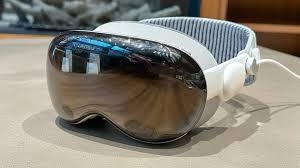
Apple Vision Pro launched on February 2, 2024, starting at a premium price.
Performance Overview
Apple Vision Pro’s processing powers come from a clever tandem architecture. It uses the M2 chip for core computational tasks, working alongside a dedicated R1 co-processor that manages input from the headset’s cameras, sensors, and microphones. This setup helps keep latency undetectable, which is crucial for the “spatial computing” experience that Apple promotes.
On the flip side, the Meta Quest 3 relies on the Qualcomm Snapdragon XR2 Gen 2 processor, a chip designed specifically for mobile-class VR rendering.
The real distinction here lies in each brand’s intention. Apple emphasizes high-bandwidth data throughput for a smooth augmented reality interface, while Quest 3 focuses on efficient, standalone performance for untethered gaming.
Interestingly, the Meta Quest 3 broadened its appeal with a new 512GB storage option, launching at $649.99 to cater to larger game libraries. Apple, however, offers a tiered storage structure with options of 256GB, 512GB, and 1TB, but hasn’t officially shared the exact RAM capacity for the unit.
Hardware Specifications Comparison
When it comes to display technology, Apple Vision Pro features dual micro-OLED panels. Together, these screens boast a resolution of around 23 million pixels across both eyes, offering visual clarity that leads the consumer market. In comparison, the Meta Quest 3 sports LCD Infinite Display panels with a resolution of 2064 × 2208 pixels per eye. While the Quest 3 does provide a sharp image, Tom’s Hardware reports.
As for power management, both devices grapple with the limitations of current battery technology. Apple Vision Pro’s battery life is rated at about 2 hours of use with its external battery pack, while the Meta Quest 3 offers slightly better battery life, clocking in at around 2.2 hours for mixed reality tasks.
| Feature | Apple Vision Pro | Meta Quest 3 |
|---|---|---|
| Processor | M2 + R1 Co-processor | Snapdragon XR2 Gen 2 |
| Display Type | Dual Micro-OLED | LCD Infinite Display |
| Resolution | ~23 Million Pixels (Total) | 2064 x 2208 per eye |
| Base Price | $3,499 | $499.99 |
The future of these devices likely hinges on how developers utilize these unique hardware profiles. While Apple pushes for productivity and high-end media, the Quest 3 remains the go-to platform for VR developers focused on accessible, widespread gaming. XDA Developers reports.
FAQs
What are the key performance metrics?
Performance is all about latency and pixel fidelity. Apple zeroes in on sensor-to-display latency using the R1 co-processor, while Meta emphasizes high-frame-rate rendering for mobile VR titles.
How do the devices handle gaming?
The Meta Quest 3 is tailored primarily for gaming, boasting a vast library of titles optimized for the Snapdragon XR2 Gen 2. The Apple Vision Pro can support gaming, but it leans more towards being a general-purpose spatial computer.
What are the battery life expectations?
Both devices offer around 2 to 2.2 hours of continuous use on a single charge, which reflects the current thermal and power limitations of high-performance mobile headsets.
Which device is better for developers?
Developers eyeing mass-market VR gaming typically opt for the Meta Quest 3 because of its larger user base. In contrast, those interested in high-fidelity AR interfaces often find themselves leaning toward the Vision Pro. Staying updated on Apple Vision Pro will help you keep pace with these developments.