Apple’s Siri overhaul for iOS 27 marks a big leap into generative AI, aimed at taking on the dominance of modern conversational assistants just ahead of the upcoming WWDC conference.
Leaked documents show that the Cupertino giant is shifting from a rigid, command-based approach to a more flexible, context-aware experience. This update will transform how users interact with their devices, allowing for complex, multi-step task automation instead of just basic timers and web searches.
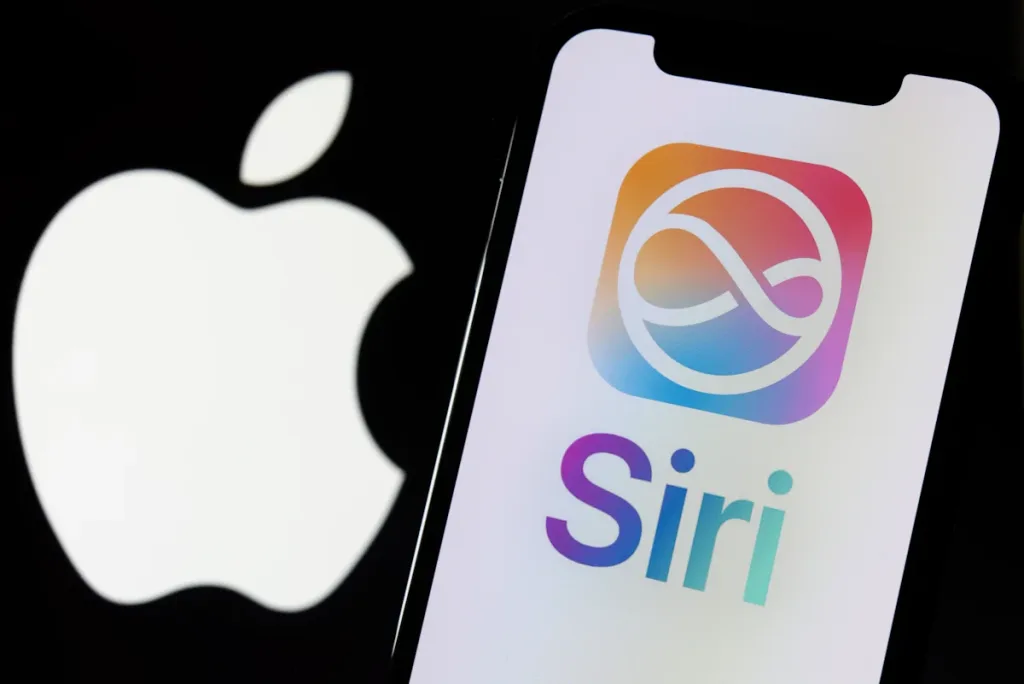
Siri overhaul: The Architecture of Apple’s Generative AI Pivot
This transformation hinges on on-device LLM integration for privacy-first processing. By keeping sensitive user data local, Apple ensures it doesn’t reach external servers. With a proprietary transformer model, Apple aims for real-time contextual awareness and conversational memory. This means Siri can remember previous interactions during a session, according to recent coverage by The Verge.
Reportedly, the technical foundation is also supported by integration with OpenAI’s GPT-4o architecture, which will help handle requests that exceed what local hardware can manage.
The user experience is getting a significant upgrade with a new UI featuring dynamic, fluid animations that pulse as the assistant “thinks.” This visual feedback loop aims to match the responsiveness seen in competitors like Google Gemini and Microsoft Copilot.
By focusing on low-latency responses, Apple hopes to reduce the “stutter” often linked to voice-to-text processing, making the assistant feel like a natural part of the iOS operating system.
Siri overhaul: Strategic Implications for the iOS Ecosystem
This move toward a smarter assistant will significantly impact third-party app developer APIs. Developers will need to consider Siri’s ability to “see” and interact with in-app data. Instead of just launching an app, the new Siri will perform specific tasks like drafting a message on a social platform or editing a photo using third-party tools, according to TechCrunch.
This opens new doors for productivity but requires strict security measures to keep user trust intact.
We expect a staggered timeline for beta testing and a public rollout, starting with a developer preview shortly after the WWDC keynote. While the initial features will probably be limited to the latest silicon, Apple’s roadmap hints at gradual expansion across the hardware lineup.
The big question remains: will this AI-focused approach be enough to bring power users back from third-party options?
FAQs
Compatibility with older iPhone models
Most advanced generative AI features will probably require the Neural Engine found in the A17 Pro chip and later, which means they’ll be limited to the iPhone 15 Pro and newer models.
Privacy protections for cloud-based queries
Apple intends to use “Private Cloud Compute,” processing complex AI requests in a secure, encrypted environment that doesn’t store user data or link it to personal profiles.
Availability of the new Siri interface at launch
While the core interface update is expected with the initial iOS 27 release, some advanced generative features may roll out in later point releases.